
Plants
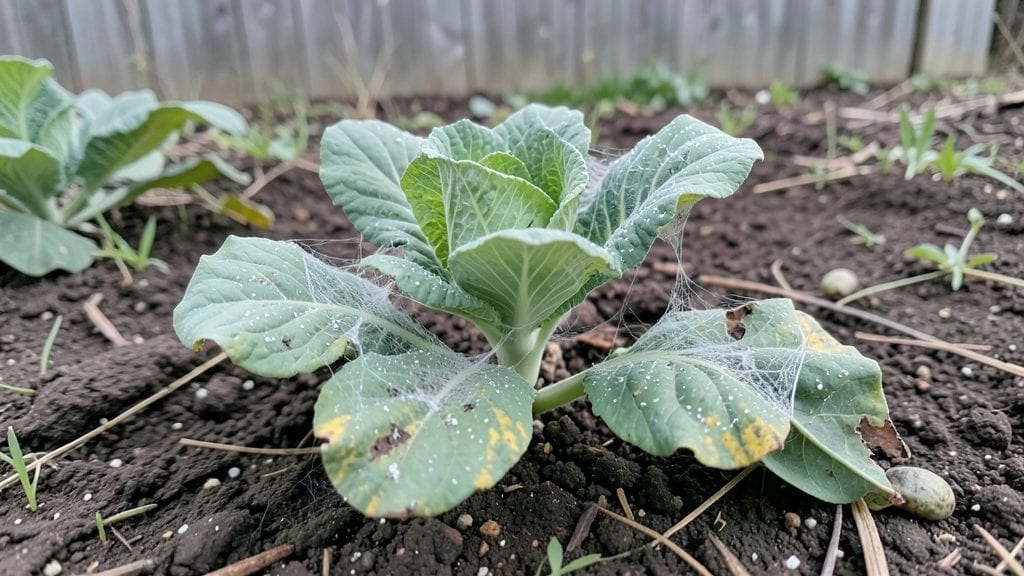
Plant fungus crossword puzzles often feature terms like rust, powdery mildew, blight, or mycorrhiza—common fungal pathogens or beneficial relationships in gardening. These clues help identify plant diseases or symbiotic fungi for gardeners solving puzzles or studying horticulture.
Solving plant fungus crosswords isn't just a fun mental exercise—it sharpens your eye for real-world plant health issues. 🌱 For example, spotting "anthracnose" in a puzzle might remind you to check your tomato leaves for dark, sunken spots, while "ectomycorrhiza" clues reveal how beneficial fungi boost root systems.
These puzzles bridge the gap between wordplay and practical gardening, making them a clever tool for both hobbyists and aspiring botanists.
What's fascinating is how crossword clues often include Latin names like Phytophthora or Cercospora—these are the scientific identifiers that help gardeners diagnose problems accurately. 🔍 Understanding these terms can transform how you approach plant care, turning puzzles into a form of interactive learning that sticks with you long after the ink dries.
💡 In This Article
- Common Plant Fungus Terms in Crossword Puzzles
- How to Use Fungal Crossword Clues for Garden Diagnosis
Common plant fungus terms in crossword puzzles
Crossword puzzles often feature plant fungi because these organisms play critical roles in both plant health and disease. The terms you'll encounter—like Phytophthora or Cercospora—are scientific names that describe specific fungal behaviors.
For instance, Phytophthora infestans causes late blight, the infamous potato disease that sparked the Irish famine, while Cercospora beticola targets sugar beets with leaf spots. These Latin names appear in puzzles because they're precise identifiers that gardeners use to diagnose issues.
Fungi in crosswords are typically classified into two major groups: Ascomycota (sac fungi) and Basidiomycota (club fungi). Powdery mildew (e.g., Erysiphe spp.) belongs to Ascomycota, forming white, powdery coatings on leaves that block sunlight.
Meanwhile, rust fungi (e.g., Puccinia spp.) in Basidiomycota create orange pustules that weaken stems. The symptoms—leaf spots, wilting, or stunted growth—are visual clues that help solvers match terms to real-world plant problems.
Here's what's actually happening when you see these terms: Fungi spread through spores that land on plant surfaces, germinate in moisture, and penetrate tissues. Phytophthora, for example, thrives in wet conditions, causing root rot that looks like brown, mushy roots.
The key factor is environmental conditions—high humidity and poor airflow create perfect fungal growth scenarios. This is why crosswords often include hints about "moisture-loving" or "dry-climate" fungi.
Consider these common garden-relevant fungi you might encounter:
- Mycorrhiza: Beneficial fungi forming symbiotic relationships with plant roots, boosting nutrient absorption (common in ectomycorrhiza and arbuscular types)
- Anthracnose: Causes dark, sunken lesions on leaves/fruit (e.g., Colletotrichum spp.), often triggered by rain
- Verticillium wilt: Fungal pathogen (Verticillium spp.) that clogs plant xylem vessels, leading to yellowing and wilting
What most people don't realize is how these terms connect to gardening tools. For example, recognizing powdery mildew clues helps you know when to use sulfur sprays (effective at 75-85°F), while Phytophthora hints remind you to improve drainage.
The Latin names aren't just academic—they're practical identifiers that help you choose the right fungicide or cultural control.
Take Cercospora as an example: This genus causes leaf blight in over 100 plant species, including tomatoes and cucumbers. In a crossword, you might see clues like "Leaf spot fungus" or "Target of copper fungicide," which directly relate to real garden scenarios.
The symptoms—small, angular brown spots with yellow halos—are dead giveaways for diagnosis. This is why puzzles often include visual descriptions alongside Latin names.
Understanding these terms transforms crossword-solving into a gardening superpower.
When you see "Root-infecting oomycete," you'll instantly think Phytophthora and know to check your soil moisture levels. 🌱 The next time you encounter a fungal term in a puzzle, you'll recognize it's not just a word—it's a warning sign or a helpful ally for your plants.