
Pests and Diseases
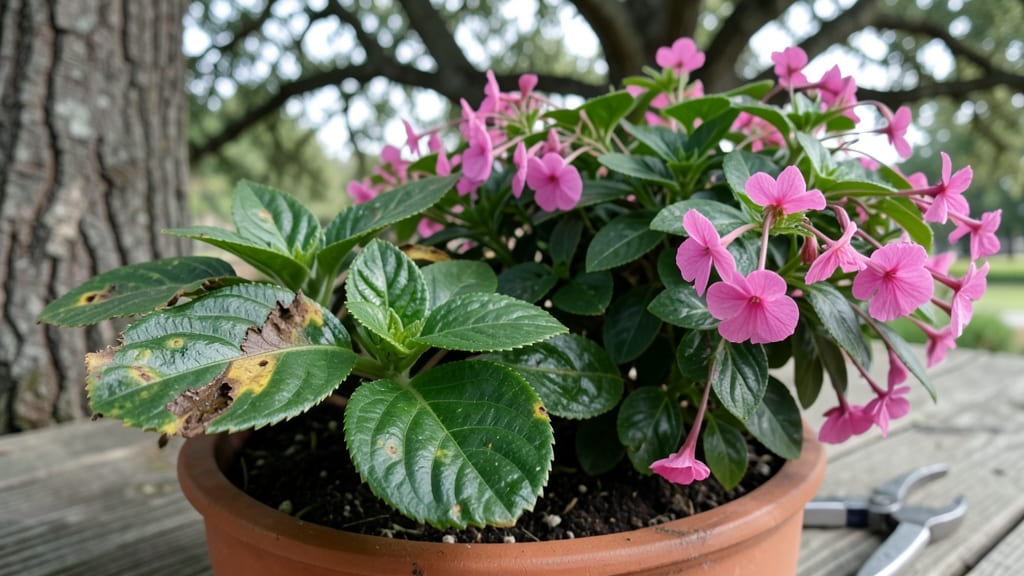
Impatiens plant disease turns vibrant blooms into sad, spotted messes faster than you can say "summer heat." 🌿 I’ve watched my shade-loving impatiens go from lush and colorful to wilted and covered in fuzzy white or yellow splotches—until I learned the early signs and how to fight back.
The key isn’t just spotting the problem; it’s acting before the whole plant gives up.
Most impatiens diseases—like downy mildew, bacterial spots, or powdery mildew—start with tiny clues: yellow leaves, gray fuzz, or black speckles. Humidity and poor airflow create the perfect storm, but the good news?
You can stop the spread with simple fixes: prune affected leaves, improve airflow, and treat with neem oil or copper fungicide. The sooner you act, the more blooms you save.
Think of it like a game of whack-a-mole: if you see one leaf with fuzzy white spots, check the whole plant. Remove the worst offenders immediately, and give your impatiens room to breathe. With the right moves, you’ll keep those bright blooms coming all season—no sad, splotchy plants in sight.
This works for both container and in-ground impatiens, and the same rules apply whether you’re dealing with powdery mildew or bacterial spots. Let’s turn those "uh-oh" moments into "I’ve got this" victories.
Understanding root causes
Impatiens plants, with their vibrant blooms and lush foliage, are a garden favorite—but they’re not immune to disease. When these delicate beauties fall ill, it’s often due to a mix of environmental stressors, microbial invaders, or poor cultural practices.
Let’s break down the key triggers behind impatiens plant diseases and why they strike when they do.
Impatiens thrive in consistent, moderate conditions, but when temperatures or humidity swing too far outside their comfort zone, diseases like downy mildew or powdery mildew move in.
- Why it happens:
- Impatiens prefer daytime temps of 65–75°F (18–24°C) and nighttime temps above 55°F (13°C). Below 50°F (10°C), their growth slows, making them more susceptible to fungal infections.
- High humidity (70%+) creates a perfect breeding ground for pathogens like Peronospora belbahrii (downy mildew), which thrives in damp, stagnant air.
- Poor air circulation—common in crowded gardens or greenhouses—traps moisture on leaves, accelerating fungal spread.
- Actionable fix:
- Space plants 12–18 inches apart for airflow.
- Water early in the day so foliage dries quickly.
- Use a fan in greenhouses or shaded areas to reduce humidity.
Impatiens have shallow roots and hate soggy feet. When soil stays too wet, it invites root rot (from Phytophthora or Pythium) and foliar diseases like bacterial spot.
- Why it happens:
- Impatiens need consistently moist but well-draining soil. Overwatering or poor drainage drowns roots, cutting off oxygen and inviting fungal invaders.
- Water sitting on leaves (especially from overhead watering) creates entry points for bacteria and fungi.
- Containers without drainage holes trap excess water, speeding up rot.
- Actionable fix:
- Water only when the top inch of soil is dry.
- Use potting mix with perlite or sand for better drainage.
- Water at the base of the plant, not the leaves.
Diseases like bacterial leaf spot or fungal wilt often hitch a ride on dirty tools, infected plants, or reused soil.
- Why it happens:
- Pruners, trowels, or gloves contaminated with Xanthomonas (bacterial spot) or Fusarium (wilt) spread pathogens when used on healthy plants.
- Reusing infected potting mix or compost preserves disease spores for years.
- Buying contaminated nursery stock introduces pathogens directly into your garden.
- Actionable fix:
- Sterilize tools with 70% rubbing alcohol or bleach solution between uses.
- Use fresh, sterile potting mix (avoid garden soil).
- Inspect new plants for yellowing, spots, or wilting before bringing them home.
When impatiens are nutrient-deficient or stressed, their defenses drop, making them easy targets for pests and diseases.
- Why it happens:
- Lack of phosphorus or potassium weakens cell walls, making plants more vulnerable to fungal attacks.
- Over-fertilizing with high nitrogen promotes soft, lush growth that’s prone to mildew.
- Environmental stress (e.g., sudden heat, drought, or transplant shock) suppresses immunity.
- Actionable fix:
- Use a balanced fertilizer (10-10-10) and follow label rates.
- Avoid fertilizing during active disease outbreaks.
- Hardening off seedlings gradually reduces transplant shock.
Most impatiens diseases are preventable with the right care. By addressing these root causes—temperature, water, hygiene, and nutrition—you’ll keep your plants healthy, blooming, and disease-free.
Quick Fixes for Sick Impatiens
Reviving your impatiens doesn’t have to be a mystery—just match the symptoms to the right cure! Below, we’ll break down practical, step-by-step solutions for the most common diseases plaguing your plants, plus prevention tips to keep them thriving. Think of this as your impatiens first-aid kit—no green thumb required!
Symptoms: White, powdery patches (powdery mildew) or yellow, fuzzy spots on undersides (downy mildew).
🔥 How to Treat It
- Prune the Problem Areas
- Use sterilized scissors (wipe with rubbing alcohol) to snip off infected leaves and stems. 💡 Pro Tip: Bag and toss infected debris in the trash—not the compost!
- Fungicide Spray (DIY or Store-Bought) - Neem oil spray (1 tsp neem oil + 1 tsp mild soap + 1 quart water): Spray early morning or evening to avoid burning leaves.
Reapply every 7–10 days. - Baking soda solution (1 tbsp baking soda + 1 quart water + a few drops of soap): Lightly spray foliage. ⚠️ Warning: Avoid overusing—it can harm plants if overapplied.
- Boost Airflow & Light
- Space plants 3–4 inches apart to improve airflow.
- Move to a sunnier spot (but avoid scorching midday sun).
🌡️ Prevention Tips
- Water at the base (avoid overhead watering—fungi love damp leaves!).
- Rotate plants occasionally to prevent humidity buildup in one spot.
- Choose resistant varieties like Impatiens walleriana ‘Super Elfin’ if fungal issues are chronic.
Symptoms: Dark, water-soaked spots with yellow halos; leaves may drop prematurely.
🍳 How to Treat It
- Remove & Destroy Infected Leaves
- Cut off all spotted leaves immediately. 🔪 Use gloves—bacterial diseases spread via tools and hands!
- Copper Fungicide (For Severe Cases)
- Apply a copper-based fungicide (like Bonide Copper Fungicide) every 10–14 days until new growth appears.
- Sanitize Everything
- Wash pots with 1 part bleach to 9 parts water, then rinse thoroughly.
- Disinfect pruners with 70% isopropyl alcohol between cuts.
🎯 Prevention Tips
- Avoid wetting leaves when watering (use a soaker hose or drip irrigation).
- Rotate crops—don’t replant impatiens in the same spot yearly.
- Pick disease-free seedlings from reputable nurseries.
Symptoms: Mottled leaves, stunted growth, or sudden wilting.
⏰ How to Treat It
- Unfortunately, viruses are often untreatable. Your best bet is to:
- Remove the infected plant (viruses spread via sap—don’t compost it!).
- Quarantine nearby plants for 2 weeks to monitor for symptoms.
- Replace with virus-resistant varieties (e.g., Impatiens hawkeri ‘New Guinea’ hybrids).
✨ Prevention Tips
- Control aphids & whiteflies (they transmit viruses!). Spray with insecticidal soap weekly.
- Keep garden tools clean to avoid spreading viruses between plants.
- Buy certified disease-free plants from trusted sellers.
If your plants are just weak or leggy (not necessarily diseased), try:
- Repotting in fresh, well-draining soil (mix in perlite or sand).
- Fertilizing lightly with a balanced 10-10-10 formula (follow label instructions).
- Trimming back overgrowth to encourage bushier, healthier growth.
💡 Final Reminder: Act fast! The sooner you treat symptoms, the better your impatiens’ chances of bouncing back. And remember—prevention is your best tool. Happy gardening! 🌸
Frequently asked questions about impatiens plant diseases
Why do my impatiens get fuzzy white spots even when I water them properly?
That’s likely powdery mildew, a fungal disease that thrives in warm, humid conditions—even with proper watering. The issue often comes from poor airflow or crowded plants. Space them 12–18 inches apart and water at the base in the morning to let foliage dry quickly. A neem oil spray (1 tsp neem + 1 quart water) applied every 7–10 days can stop the spread.
Can I save an impatiens plant with bacterial spots, or should I toss it?
You can try saving it, but act fast! Prune off all infected leaves immediately with sterilized tools, and apply a copper fungicide every 10–14 days. Disinfect pots with a bleach solution (1:9 bleach-to-water) to prevent reinfection. If the disease spreads to stems, it’s best to remove the entire plant to protect others.
How do I know if my impatiens have a virus or just nutrient deficiency?
Viruses cause mottled leaves, stunted growth, or sudden wilting—symptoms that don’t respond to fertilizers or fungicides. Nutrient issues (like yellowing between veins) often improve with a balanced 10-10-10 fertilizer. Viruses, however, are usually untreatable. Remove infected plants immediately and quarantine nearby ones for 2 weeks to prevent spread.
Is it safe to reuse potting soil from a diseased impatiens plant?
Never reuse soil from a diseased plant—it can harbor fungal spores or bacterial pathogens for years. Sterilize soil by baking it at 200°F for 30 minutes or mix in 10% compost to dilute pathogens. Always use fresh, sterile potting mix for new plants to avoid reinfection.
Will pruning healthy leaves help my impatiens recover faster?
No, pruning healthy leaves actually slows recovery by reducing the plant’s energy. Focus only on removing infected or severely damaged foliage—this improves airflow and redirects energy to new growth. For mild cases, trim back 10–20% of the plant to encourage bushier, healthier regrowth.