
Vegetables
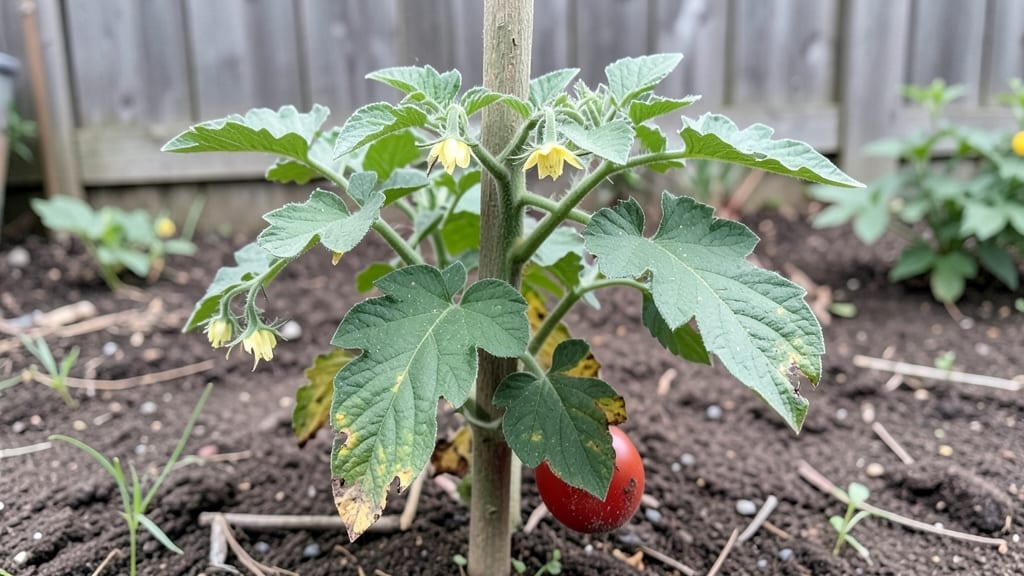
Growing Bushsteak tomato plants feels like cheating—you get heavy fruit loads on compact vines that don’t sprawl all over your garden. 🌱 I’ve grown them for years, and they’re the perfect choice for small spaces, containers, or anyone tired of pruning endless suckers.
These determinate plants produce beefsteak-sized tomatoes without the sprawl, making them one of the most rewarding varieties for both beginners and experienced gardeners.
They thrive in full sun (at least 6-8 hours daily) and well-draining soil rich in organic matter. Unlike indeterminate varieties, Bushsteak plants grow to about 3-4 feet tall, so they’re ideal for 5-gallon containers or tight garden beds.
The key is consistent moisture—keep the soil evenly damp but not soggy, especially during fruiting. A balanced fertilizer (like 10-10-10) every 3-4 weeks keeps them producing until frost.
By mid-summer, you’ll be harvesting deep-red, meaty tomatoes that weigh 12-16 ounces each—perfect for sandwiches, sauces, or slicing. The flavor is rich and sweet, with just the right balance of acidity.
Prune only to remove diseased leaves or suckers above the first flower cluster, and you’ll avoid the hassle of staking or caging most other tomatoes. The payoff? A foolproof, high-yield plant that delivers results with minimal effort.
Whether you’re growing in pots on a balcony or tucked into a raised bed, Bushsteak tomatoes adapt easily. They’re also disease-resistant compared to heirlooms, making them a smart choice for humid climates. Here’s how to get started—and keep them producing all season long.
📚 In This Guide
- What you need
- Instructions
- Tips and common mistakes
- Wrapping up and next steps
What you need
- ● Bushsteak tomato seeds or seedlings: 1–3 plants (depending on yield goals). Look for Solanum lycopersicum varieties labeled as "bush" or "determinate."
- ● Growing containers or garden plot: Containers: 5-gallon pots or larger (minimum 12" deep and 12" wide per plant). Use fabric pots or black plastic to retain heat.
- ● Garden beds: Well-draining soil with at least 6–8 hours of sunlight daily.
- ● High-quality potting mix: 1–2 bags (sterile, well-draining mix with compost or aged manure). Avoid garden soil unless amended with organic matter.
- ● Tomato cages or stakes: 3–5 ft tall (bushsteak varieties need minimal support but benefit from light staking for airflow).
- ● Balanced fertilizer: 10-10-10 or 5-5-5 (organic options like fish emulsion or compost tea work too).
- ● Mulch: Straw, wood chips, or black plastic (to suppress weeds and retain moisture).
- ● Watering can or hose with a gentle spray nozzle: For consistent moisture without disturbing roots.
- ● Drip irrigation system: Automates watering and saves time.
- ● Epsom salt: 1 tbsp per plant (monthly) for magnesium boosts.
- ● Row covers: Lightweight fabric to protect seedlings from pests or frost.
- ● Pruning shears: For removing suckers (though bushsteak varieties produce fewer).
- ● Soil pH test kit: Ideal pH for tomatoes is 6.0–6.8.
Step-by-step guide to growing bushsteak tomato plants
Here’s how to cultivate these compact, high-yielding varieties for a bountiful harvest.
🌱 Step 1: Select the Right Containers and Soil Mix
Bushsteak tomatoes thrive in 5-gallon containers with drainage holes—these sturdy plants need room for roots to anchor while supporting heavy fruit loads. I use a mix of 60% potting soil, 30% compost, and 10% perlite to ensure aeration and moisture retention. Avoid garden soil; it compacts and suffocates roots.
Fill each container to 2 inches below the rim and press lightly to eliminate air pockets. The soil should crumble easily when squeezed—if it sticks, add more perlite. Bushsteak varieties are determinate, meaning they grow to a fixed height (3-4 feet), so deeper pots prevent root binding and encourage steady growth.
🌿 Step 2: Plant Seedlings at the Correct Depth
Transplant seedlings when they’ve developed 3-4 true leaves and the stems are thick enough to handle. Dig a hole twice as wide as the root ball but only as deep as the pot they came in—burying too deep stresses the plant and delays fruiting. Gently loosen the roots if they’re circling, then place the seedling in the hole.
Fill around the roots with soil, pressing firmly to remove air gaps. Water deeply until moisture seeps from the drainage holes—this settles the soil and encourages root expansion. I like to add a handful of slow-release fertilizer at planting to give the plants a nutrient boost without burning tender roots.
☀️ Step 3: Provide Consistent Light and Support
Bushsteak tomatoes need 6-8 hours of direct sunlight daily—place containers in a sunny spot or use a grow light if indoors. Without enough light, plants grow leggy and produce fewer fruits. I stake each plant with a 6-foot bamboo stake at planting to support the weight of heavy clusters.
Tie the main stem loosely to the stake with soft plant ties as it grows—this prevents snapping when fruit loads swell. Prune suckers (side shoots) that form in the leaf axils to redirect energy to fruit production. You’ll see the first flowers in 4-6 weeks; pinch them off until the plant is established to encourage stronger growth.
💧 Step 4: Water and Fertilize for Heavy Yields
Water at the base 1-2 times weekly, ensuring the top 2 inches of soil dry out between waterings. Overwatering leads to blossom-end rot, while underwatering causes fruit to split. I use a balanced liquid fertilizer every 2-3 weeks once flowers appear, following label instructions to avoid overfeeding.
Watch for signs of stress: yellowing leaves mean too much water or poor drainage, while curled leaves signal thirst. Mulch with 2 inches of straw to retain moisture and suppress weeds. Bushsteak varieties produce fruit in clusters, so support each branch with a small sling or cage to prevent breakage as tomatoes swell.
✂️ Step 5: Harvest and Prune for Continuous Production
Harvest tomatoes when they’re fully colored and slightly soft to the touch—usually 70-80 days after transplanting. Twist gently to avoid damaging the stem. Prune spent flowers and yellow leaves regularly to encourage new growth. I harvest every 2-3 days during peak season to keep plants productive.
After the first flush of fruit, feed with a low-nitrogen fertilizer to promote flowering. If the plant looks exhausted by late summer, cut back one-third of the foliage to redirect energy. Bushsteak tomatoes often produce a second wave of fruit if given proper care—this is their secret strength.
Tips & tricks for perfect bushsteak tomato plants
These game-changing tips will help you maximize your harvest with these compact yet prolific tomato varieties.
Soil Science: The 60-30-10 soil ratio (potting soil, compost, perlite) is non-negotiable for bushsteak tomatoes. I've found that adding a handful of worm castings to the mix gives an extra boost to root development. The perlite isn't just for drainage—it creates those tiny air pockets that roots absolutely crave, especially in containers where roots can't spread outward like in garden beds.
Planting Precision: When transplanting those seedlings with 3-4 true leaves, I like to make the planting hole twice as wide but only as deep as the original pot. This creates a "root trench" effect that encourages roots to spread horizontally rather than circling at the bottom of the container. The key is to avoid burying the stem too deep—just below where it was growing before.
Light Optimization: Those 6-8 hours of direct sunlight are critical, but location matters just as much. Place your containers where they'll get morning sun and afternoon shade if you're in a hot climate. I've seen bushsteak tomatoes in full afternoon sun develop sunscorch on their fruit—those white, leathery patches ruin an otherwise perfect tomato. A simple shade cloth during peak afternoon hours can make all the difference.
Support System: The 6-foot bamboo stake is your best friend, but don't just tie the main stem—create a "cage" effect by adding horizontal supports at the mid-point. This helps distribute the weight of those heavy clusters (bushsteak tomatoes can produce 8-12 oz fruits!) and prevents the entire plant from toppling over. I use soft plant ties that can stretch as the plant grows, avoiding the need to retie every few weeks.
Pro Tips for Bushsteak Tomato Plants
- These game-changing tips will help you maximize your harvest with these compact yet prolific tomato varieties.
- Soil Science: The 60-30-10 soil ratio (potting soil, compost, perlite) is non-negotiable for bushsteak tomatoes.
- Planting Precision: When transplanting those seedlings with 3-4 true leaves, I like to make the planting hole twice as wide but only as deep as the original pot.
Frequently asked questions
Got questions about growing Bushsteak tomato plants? You’re not alone! Here are answers to the most common queries to help you cultivate a thriving, compact vine with big rewards.
How tall do Bushsteak tomato plants get, and do they need staking?
Bushsteak tomatoes are determinate varieties, typically reaching 3–4 feet tall. Unlike indeterminate types, they don’t require staking—just a cage or trellis for support as fruit weight bends stems. Use a 5-foot tomato cage or bamboo stakes for stability. Pro tip: Prune lower leaves to improve airflow and reduce disease risk!
When is the best time to plant Bushsteak tomatoes?
Start seeds 6–8 weeks before your last frost date indoors, then transplant seedlings after soil temps hit 50°F+ (usually 2–3 weeks after frost). For warmer climates, direct-sow seeds in early spring when nights stay above 55°F. Bushsteaks thrive in full sun (6–8+ hours/day) and warm soil.
Why aren’t my Bushsteak tomatoes ripening—what’s wrong?
Common culprits include cool nights (<55°F), overcrowding, or poor pollination. Try these fixes:
- Hand-pollinate flowers by gently shaking plants or using a small brush.
- Ensure 12–16 inches between plants for airflow.
- Use black plastic mulch or row covers to warm soil.
- Check for blossom end rot (calcium deficiency)—add crushed eggshells or lime to soil.
Can I grow Bushsteak tomatoes in containers? What size pot do I need?
Bushsteaks are perfect for containers since they’re compact. Use a pot at least 12–18 inches deep and wide with drainage holes. Add potting mix + compost and a time-release fertilizer. Place in a sunny spot (balcony, patio, or windowsill) and water when the top inch of soil feels dry.
What’s a good alternative if Bushsteak tomatoes don’t thrive in my climate?
If your area has short summers or hot, humid conditions, consider these compact, disease-resistant alternatives:
- ‘Tiny Tim’ – Ultra-dwarf (18–24” tall), great for pots.
- ‘Patio’ or ‘Balcony’ tomatoes – Determinate, early producers.
- ‘Roma’ (dwarf varieties) – Ideal for sauces, heat-tolerant.
- ‘Sungold’ or ‘Sweet 100’ – Cherry tomatoes for quick harvests.
For cool climates, try ‘Stupice’ or ‘Glacier’—both handle frost better.
Wrapping up and next steps
Growing bushsteak tomato plants is a game-changer for gardeners with limited space or big dreams for flavor-packed harvests! 🌱 Their compact vines and prolific fruit make them a standout choice, whether you're a seasoned gardener or just starting out.
With the right care—sunlight, support, and consistent watering—you’ll enjoy juicy, meaty tomatoes that taste like summer in every bite.
Ready to take the next step? Start by planting your bushsteak seeds or seedlings this season and watch your garden transform into a tomato paradise. Happy growing—your taste buds will thank you! 🍅✨