Diseases
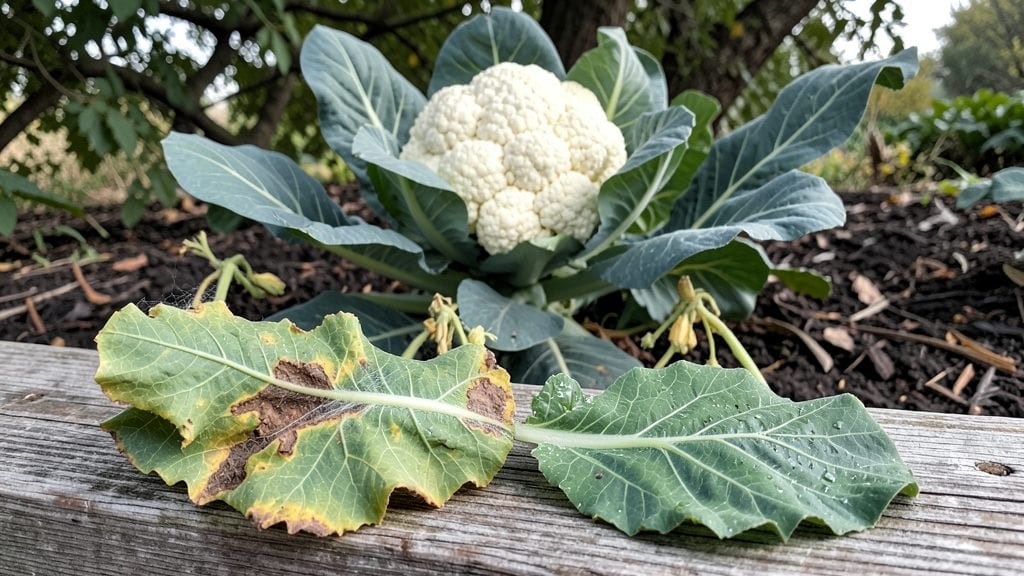
Cauliflower plant diseases like black rot and clubroot can turn your lush heads into sad, stunted messes—unless you catch them early. 🌱 I’ve seen healthy plants go from vibrant to wilted in weeks because of these sneaky fungal invaders, and the key to saving your harvest is knowing what to look for before it’s too late.
The worst offenders—black rot, downy mildew, and clubroot—love damp soil and crowded plants, which is why my garden’s worst outbreaks always hit after a rainy spring. The good news? Most of these problems start with simple fixes like improving drainage, rotating crops, and choosing resistant varieties.
Even if you’ve lost plants before, these steps cut prevention down to basics you can do in under an hour.
By the time you spot yellowing leaves or that telltale black vein pattern, it’s not game over—just time to act fast. Organic sprays like copper fungicide or neem oil work on early stages, while soil drenches with baking soda tackle mildew before it spreads.
The goal isn’t perfection; it’s catching issues before they ruin your crop.
This works for home gardeners and small farms alike, whether you’re growing in raised beds or straight in the ground. The right mix of vigilance and quick fixes keeps your cauliflower thriving season after season—no lab coat required.
Root Causes Behind Cauliflower Ailments
Cauliflower plants, like any other vegetable, are susceptible to diseases due to a mix of environmental, biological, and cultural factors. Understanding these underlying causes is key to prevention and effective treatment. Below, we break down the most common reasons why fungal diseases take hold in your cauliflower crops.
Fungal pathogens thrive in environments where temperature and moisture levels are just right—typically between 60°F to 80°F (15°C to 27°C) with high humidity. Cauliflower plants are particularly vulnerable when:
- Poor air circulation traps moisture near leaves, creating a damp, fungal-friendly microclimate.
- Excessive rainfall or overhead irrigation keeps foliage wet for extended periods, giving spores a foothold.
- Plastic mulches or dense plantings trap heat and humidity, accelerating disease spread.
Why it matters: Fungi like Alternaria and Botrytis (gray mold) rely on moisture to germinate and infect. If your garden feels like a sauna, diseases will exploit the conditions.
A healthy cauliflower plant has natural defenses, but stress weakens it, making it an easy target. Common stress factors include:
- Nutrient deficiencies (especially boron, calcium, or nitrogen), which stunt growth and reduce resistance.
- Physical damage from hail, pests (like cabbage worms), or rough handling during transplanting.
- Improper spacing, leading to overcrowding and competition for resources.
Why it matters: A stressed plant can’t fight off infections. For example, Black rot (Xanthomonas campestris) exploits weak points in leaves, entering through wounds or natural openings.
Fungal spores are persistent—they can linger in soil for years or hitchhike on gardening tools. Key contamination sources:
- Infected crop residues from previous seasons (e.g., old cauliflower or brassica plants).
- Reused containers or pots harboring dormant spores.
- Dirty pruners, gloves, or shovels spreading pathogens between plants.
Why it matters: Diseases like Club root (Plasmodiophora brassicae) survive in soil, waiting for the right host. Even a small amount of contaminated soil can wipe out a season’s work.
Cauliflower roots need well-draining soil to stay healthy. When excess water sits around roots:
- Oxygen depletion weakens roots, making them susceptible to Phytophthora (a water mold).
- Salt buildup from poor drainage stresses plants, inviting secondary infections.
- Cold, soggy soil slows nutrient uptake, further compromising plant vigor.
Why it matters: Waterlogged conditions are a breeding ground for root-rotting fungi. If your soil feels like a swamp, diseases like Downy mildew will move in fast.
Some pests don’t just damage leaves—they open doors for fungal invaders. For example:
- Cabbage loopers or aphids chew on foliage, leaving wounds where Alternaria leaf spot can enter.
- Flea beetles create tiny holes, giving spores direct access to plant tissues.
- Slugs and snails feed on young leaves, increasing susceptibility to Botrytis cinerea.
Why it matters: A single pest outbreak can turn a minor fungal risk into a full-blown epidemic. Break the cycle by controlling pests early.
Timing matters! Cauliflower planted too early or too late in the season faces higher disease risks:
- Early planting exposes seedlings to cold, wet soils, slowing growth and inviting damping-off fungi.
- Late planting in hot, humid weather aligns with peak fungal activity (e.g., white rust thrives in summer heat).
Why it matters: Match your planting schedule to your climate. Cool-season varieties should go in when nights are 50°F–60°F (10°C–15°C) for optimal resilience.
Soil pH and fertility play a huge role. Fungal diseases often flourish when:
- pH is too high (>7.5) – Limits nutrient availability, weakening plants (e.g., Club root loves alkaline soils).
- Excessive nitrogen – Promotes lush, soft growth that’s prone to fungal infections.
- Lack of organic matter – Reduces beneficial microbes that suppress pathogens.
Why it matters: A soil test can reveal imbalances. Amend with compost, sulfur (to lower pH), or balanced fertilizers to create a hostile environment for fungi.
Fungal diseases in cauliflower rarely strike out of nowhere—they exploit opportunities created by poor growing conditions. By addressing moisture, stress, contamination, and timing, you can starve these pathogens of their ideal conditions. The next section will cover how to spot these diseases early before they spread.
Fixing Fungal Foes in Cauliflower
Now that you’ve identified the enemy, it’s time to fight back! 🛡️🌱 Fungal diseases in cauliflower can be stubborn, but with the right strategies—prevention, quick action, and organic or chemical solutions—you can save your crop.
Below, we map out practical fixes for each common fungal issue, tailored to severity and garden setup.
Cause: Xanthomonas campestris bacteria (often mistaken for fungal) clogs cauliflower’s veins, turning leaves yellow and black. Fix It:
- Remove infected plants immediately (🔪) to prevent spread. Do not compost them—dispose in sealed bags.
- Sterilize tools with 70% rubbing alcohol or a 10% bleach solution (1 part bleach to 9 parts water) between cuts.
- Rotate crops: Avoid planting brassicas (like cabbage or broccoli) in the same spot for 3+ years.
- Prevent recurrence:
- Use resistant varieties like ‘Purple of Sicily’ or ‘Snowball Y Improved’.
- Sanitize seedbeds: Solarize soil (cover with clear plastic for 4–6 weeks in summer) or apply copper fungicide (e.g., Bordeaux mixture) pre-planting.
Cause: Plasmodiophora brassicae thrives in acidic, waterlogged soil, girdling roots and stunting growth. Fix It:
- Raise soil pH to 6.5–7.0 using:
- Lime (calcium carbonate): Apply 5–10 lbs per 100 sq ft and retest soil in 2–3 months.
- Wood ash (sparingly): Sprinkle lightly around plants (avoid over-alkalizing).
- Improve drainage:
- Amend soil with compost or coarse sand to break up clay.
- Plant in raised beds if your garden is naturally soggy.
- Prevent future outbreaks:
- Crop rotation: Wait 4+ years before replanting brassicas in the same spot.
- Resistant varieties: Try ‘Benefit’ or ‘Crystal Head’ cauliflower.
- Avoid overhead watering—use drip irrigation to keep foliage dry.
Cause: Hyaloperonospora spores spread in humid conditions, creating fuzzy gray patches on undersides of leaves. Fix It:
- Prune infected leaves (🌿) and destroy them (don’t compost). Focus on airflow:
- Space plants 18–24 inches apart and thin seedlings early.
- Water at the base (💦) in the morning to let foliage dry quickly.
- Fungicidal sprays (apply every 7–10 days):
- Baking soda mix: 1 tbsp baking soda + 1 tsp dish soap + 1 gallon water (spray undersides).
- Copper fungicide (e.g., Cupric hydroxide) for severe cases.
- Prevention:
- Row covers (floating fabric) can block spore spread early in the season.
- Plant mildew-resistant varieties like ‘Snowball 80’ or ‘White Magic’.
Cause: Erysiphe fungi coat leaves in white powder, weakening plants. Fix It:
- Physical removal:
- Neem oil spray (2 tbsp neem oil + 1 tsp mild soap + 1 quart water) 2x/week (🍃). Reapply after rain.
- Horticultural oil (e.g., Sunspray Oil) for stubborn cases—spray early morning to avoid leaf burn.
- Improve growing conditions:
- Morning sun + afternoon shade (use shade cloth if needed).
- Space plants to reduce humidity pockets.
- Prevention:
- Reflective mulch (aluminum foil or white plastic) can deter spores.
- Companion planting: Interplant with rosemary or thyme (their scent repels fungi).
Cause: Sclerotinia sclerotiorum creates white, cottony mats on stems and leaves. Fix It:
- Surgical removal: Cut off infected stems 2 inches below the lesion (🔪) and dispose of debris.
- Soil treatment:
- Solarize soil (cover with plastic for 6 weeks in summer) to kill sclerotia.
- Chloropicrin fumigation (for commercial growers) or composting green waste (140°F+ for 3+ weeks) to break down pathogens.
- Prevention:
- Avoid overhead irrigation—use drip systems.
- Plant in well-drained soil and avoid late-season planting (cooler temps encourage spores).
- 🌡️ Monitor humidity: Use a hygrometer—keep levels below 70% with fans or ventilation.
- ✨ Soil solarization: Before planting, lay clear plastic sheeting over beds for 4–6 weeks in peak sun to kill pathogens.
- 🔄 Crop rotation: Never plant brassicas in the same spot two years in a row.
- 🛡️ Seed treatment: Soak seeds in 1% hydrogen peroxide (30 mins) before planting to reduce fungal load.
Remember: Early action is key! 🚀 The moment you spot symptoms, isolate the plant, prune aggressively, and apply treatments. With these strategies, your cauliflower patch can bounce back stronger—and next season, you’ll be one step ahead of the fungi.
Frequently asked questions
What are the first signs of black rot in cauliflower plants?
Look for yellowing V-shaped patterns along leaf edges, which later turn brown and crispy. The veins may darken to black, and infected leaves often drop prematurely. Early detection is critical—remove affected plants immediately to stop the spread.
Can I still harvest cauliflower if it has white rust?
Yes, but only if the disease is caught early and hasn’t spread to the head. White rust primarily affects leaves, so remove infected foliage and monitor the plant. If the head shows signs (yellow pustules), discard it to avoid contamination.
How do I know if my cauliflower soil has clubroot?
Check for swollen, gnarled roots and stunted growth above ground. The soil may also smell foul. Test your soil pH—clubroot thrives in acidic conditions (pH below 6.5
Will neem oil work on downy mildew?
Neem oil helps prevent downy mildew but isn’t a cure once spores appear. For active infections, use a baking soda spray (1 tbsp baking soda + 1 tsp soap per gallon of water) or copper fungicide every 7–10 days. Always spray undersides of leaves.
Can I save a cauliflower plant with gray mold?
Gray mold (Botrytis) spreads rapidly, but you can prune infected areas immediately and improve airflow. Apply a hydrogen peroxide spray (1%) or horticultural oil. If the head is heavily infected, remove it to save the plant.