
Diseases
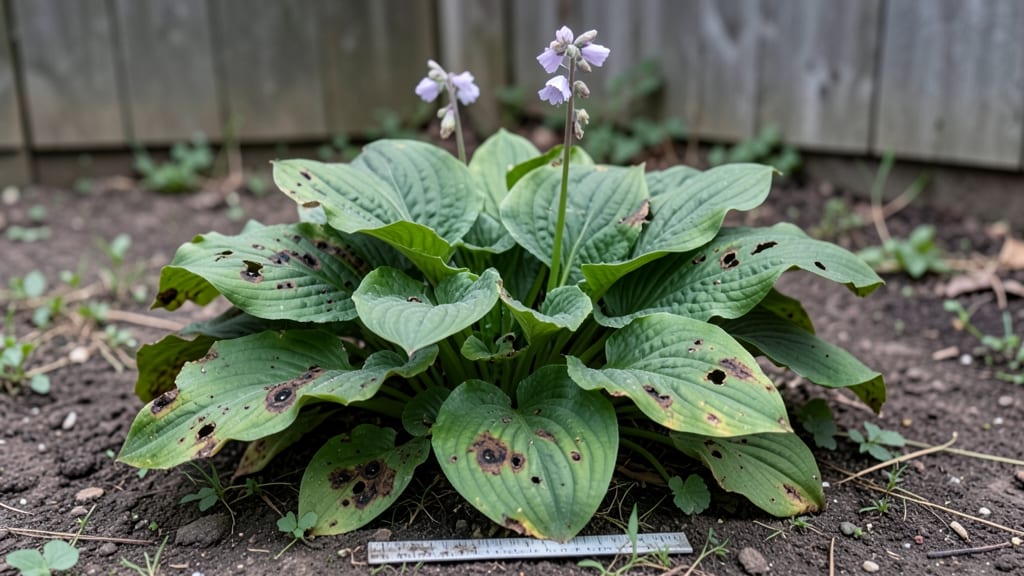
Hosta plant diseases can turn your shade garden from lush to lifeless faster than you think. 🌿 I’ve seen healthy hostas wither in weeks from fungal blights like leaf spot and crown rot—until I learned to spot the early signs and act fast.
The key isn’t just treating symptoms but understanding why these diseases take hold in the first place.
Most fungal problems start with too much moisture—whether from overhead watering, poor drainage, or thick mulch smothering the crown. Hostas thrive in shade but despise soggy roots, and once fungi get a foothold, they spread like wildfire.
The good news? Prevention is simple: water at the base, improve airflow, and remove infected leaves immediately. I’ve kept my hostas disease-free for years using these basics.
When you do spot trouble—yellowing leaves, brown spots, or mushy stems—you’ll know exactly which organic or chemical treatments to reach for. Neem oil stops early infections, while copper fungicides handle stubborn outbreaks.
The goal is to save your plants before the damage becomes permanent, and with the right approach, you can turn things around in just a few weeks.
This works for both beginner gardeners and shade-loving veterans. Whether you’re dealing with leaf spot, rust, or crown rot, the principles stay the same: act early, stay consistent, and never let the problem go unchecked. Your hostas will thank you with thicker foliage and brighter blooms all season.
The Hidden Triggers Behind Hosta Troubles
Hosta plants are beloved for their lush foliage and shade tolerance, but when diseases strike, they can turn your garden into a sad, spotted mess. Understanding why these issues pop up is the first step to prevention.
Let’s break down the real culprits behind hosta plant diseases—from fungal invaders to environmental sneaky culprits.
Fungi thrive in damp conditions, and hostas—with their broad, low-growing leaves—are basically all-you-can-eat buffets for pathogens like Fusarium wilt and Rhizoctonia. Here’s why moisture turns deadly:
- Poor Drainage: Heavy clay or compacted soil traps water at the roots, creating a soggy zone where fungal spores germinate. 💡 Pro Tip: Test your soil’s drainage—if water pools after 6 hours, amend with compost or sand.
- Overhead Watering: Splashing water onto leaves spreads spores like confetti. ✨ Actionable Fix: Water at the base in the morning so foliage dries quickly.
- Fungal Spores in Air: Damp air (especially in humid climates) carries spores that land on hostas, ready to infect. 🌡️ Prevention: Space plants for airflow and avoid mulching too close to stems.
Hostas grow best in partial shade, but tight plantings create a microclimate where diseases fester. Why?
- Limited Air Circulation: Dense foliage traps humidity, slowing evaporation and prolonging moisture on leaves. 🔥 Solution: Space hostas 18–24 inches apart (check variety needs!).
- Debris Buildup: Old leaves or mulch harbor overwintering spores. 🔪 Cleanup Tip: Remove fallen leaves in autumn and sterilize tools between plants.
- Shared Pathogens: If one hosta gets infected, nearby plants are at risk. 🛡️ Strategy: Quarantine new plants for 2 weeks before adding them to your garden.
Diseases exploit stressed plants. Hostas under heat stress, nutrient deficiencies, or sudden temperature swings become easy targets. Key triggers:
- Extreme Heat: Temperatures above 85°F (29°C) weaken hostas, making them susceptible to Alternaria leaf spot. 💪 Support Them: Provide afternoon shade and mulch to retain soil moisture.
- Cold Snaps: Freeze-thaw cycles damage cell walls, creating entry points for Botrytis blight. ❄️ Protection: Use winter mulch (straw or shredded leaves) to insulate roots.
- Nutrient Deficiencies: Yellowing leaves (from lack of nitrogen or magnesium) signal weakness. 🍎 Feed Smart: Test soil and amend with balanced fertilizer (e.g., 10-10-10) in early spring.
Some pests don’t just munch—they open doors for fungal infections.
For example: - Slugs & Snails: Their slime trails spread Phytophthora (a water mold) while feeding on tender leaves. 🐌 Trap Them: Use beer traps or diatomaceous earth around plants. - Aphids & Spider Mites: These sap-suckers weaken hostas, making them vulnerable to Powdery Mildew. 💦 Blast Off: Spray with neem oil or insecticidal soap weekly during outbreaks.
Some hosta varieties are genetically more resistant to diseases, while others are like open invitations to pathogens.
Why does this matter? - Thick-Leaved Varieties: Types like ‘Halcyon’ or ‘Blue Angel’ have tougher foliage, resisting Rhizoctonia better than thin-leaved cultivars. - Hybrid Vulnerabilities: New hybrids may lack proven disease resistance. 📊 Research First: Check plant tags or databases (e.g., Hosta.org) for disease-resistant picks.
Overusing fungicides or synthetic fertilizers can disrupt beneficial microbes in the soil, making hostas more prone to infections.
How? - Soil pH Imbalance: Fertilizers with high salts (like synthetic nitrogen) alter pH, stressing roots. 📊 Test & Balance: Aim for pH 6.0–7.0; use organic matter to buffer extremes. - Fungicide Resistance: Repeatedly spraying the same chemical trains fungi to become resistant. ✨ Rotate Treatments: Alternate copper-based sprays with biological controls (e.g., Bacillus subtilis).
Diseases don’t appear overnight—they start small.
Common red flags missed by gardeners: - Yellow Edges: Often a sign of Fusarium or Verticillium wilt (fungal vascular diseases). - White or Gray Fuzz: Powdery Mildew or Botrytis (both thrive in high humidity). - Black Spots with Yellow Halos: Classic Alternaria or Septoria leaf spot. 🚨 Act Fast: Remove infected leaves immediately and treat with a baking soda spray (1 tsp baking soda + 1 quart water + a drop of soap).
| Cause | Signs to Watch For | Preventative Action |
|---|---|---|
| Overwatering | Mushrooms at base, mushy stems | Improve drainage, water deeply but less often |
| Poor Airflow | White powder, leaf spots | Prune nearby plants, space hostas 18–24" apart |
| Heat Stress | Brown leaf tips, wilting | Mulch, provide afternoon shade |
| Pest Damage | Sticky residue, chewed leaves | Introduce beneficial insects or neem oil |
| Nutrient Deficiency | Yellowing between veins | Soil test, apply balanced fertilizer |
Final Thought: Most hosta diseases are preventable with smart gardening. Focus on airflow, moisture control, and plant health—and you’ll keep your hostas thriving for years! 🌿💪
Quick Fixes for Hosta Fungal Foes
Fungal diseases can turn your lush hosta leaves into a sad, spotted mess—but don’t panic! 🌱 With the right steps, you can rescue your plants and keep them thriving.
Below, we map the most common hosta diseases to their fixes, plus prevention tips to stop future outbreaks. Think of this as your disease-fighting toolkit—practical, easy, and effective.
1️⃣ Act Fast: Prune the Problem
🔪 Remove infected leaves immediately—don’t compost them (fungi can survive!). Use sterilized pruners (wipe with rubbing alcohol between cuts) and snip off yellow, brown, or spotted leaves at the base.
For severe cases, trim back 1–2 inches below the damage to encourage new growth.
✨ Pro Tip: Bag the clippings in a sealed plastic bag before trash day to contain spores.
2️⃣ Apply Fungicidal Sprays (Organic or Chemical)
💦 For mild cases: Mix 1 tsp baking soda + 1 quart water + a few drops of dish soap (as a spreader-sticker). Spray early morning or evening (avoid direct sun) and reapply every 7–10 days until new growth appears.
🧪 For stubborn infections: Use a copper fungicide (like Copper Soap) or a neem oil spray (1 tbsp neem oil + 1 tsp mild soap per quart of water). Rotate treatments to prevent resistance.
🔥 Warning: Avoid chemical fungicides (like chlorothalonil) near edible plants—stick to organic options if your garden is mixed-use.
3️⃣ Boost Plant Immunity
🌿 Fertilize with compost or balanced fertilizer (10-10-10) to strengthen hostas. Avoid over-fertilizing with nitrogen—it makes plants soft and more susceptible to disease. 💧 Water at the base (not overhead) to keep leaves dry. Morning watering gives foliage time to dry before evening humidity spikes.
Slugs and snails love munching on hosta leaves—and their slime can introduce fungal spores. Here’s how to evict them:
1️⃣ Set Traps & Barriers
🍺 Beer traps: Bury a shallow dish filled with beer near hostas. Slugs crawl in and drown—reset every 2–3 days. 🛡️ Copper tape: Wrap it around pots or create a 3-inch-wide barrier around hosta beds. The mild electric shock repels slugs.
2️⃣ Manual Patrol (Yes, Really!)
🕵️ Go slug hunting at dusk (their active time) with a flashlight. Drop them in soapy water or relocate them to a wildflower area far from your hostas.
💡 Pro Tip: Crushed eggshells or diatomaceous earth (food-grade) can deter slugs—but reapply after rain.
The best cure? Stopping diseases before they start. Here’s how:
🌱 Improve Airflow & Spacing
🌬️ Space hostas 18–24 inches apart to reduce humidity buildup. Avoid planting in shady, damp corners—fungi thrive there. 🪓 Thin out crowded foliage in spring to let air circulate.
🧼 Sterilize Tools & Soil
🧴 Clean pruners, trowels, and pots with 10% bleach solution (1 part bleach to 9 parts water) or rubbing alcohol between uses. 🌱 Solarize soil in late summer: Cover beds with clear plastic for 4–6 weeks to kill fungal spores in the heat.
🌿 Choose Resistant Varieties
🌟 Some hostas are naturally tougher against disease. Try:
- ‘Blue Angel’ (resistant to leaf spots)
- ‘Halcyon’ (slug-resistant)
- ‘Francee’ (disease-tolerant)
| Symptom | Act Now? | Solution Priority |
|---|---|---|
| Few small spots | ✅ Yes | Prune + neem oil spray |
| Large brown patches | ⚠️ Urgent | Prune + copper fungicide + airflow |
| Slime trails + holes | ✅ Yes | Slug traps + barriers |
| Wilting + mushy leaves | ❌ Too late | Remove plant (prevent spread) |
Final Thought: 🌿 Prevention is your best friend—but if diseases strike, act fast, stay consistent, and give your hostas the care they crave. With these fixes, your hosta garden will bounce back greener and stronger than ever!
Frequently asked questions
What are the most common signs of fungal infections in hostas?
Watch for dark brown or black spots with yellow halos (leaf spot), white powdery coatings (powdery mildew), or mushy stems with mushrooms at the base (crown rot). Early detection is key—remove infected leaves immediately to prevent spread.
Can I save a hosta with crown rot?
It depends on how far it’s progressed. For early stages, remove all infected foliage, improve drainage, and apply a copper fungicide. In severe cases, the plant may need removal to prevent spreading to nearby hostas. Always sterilize tools between cuts.
How often should I spray neem oil on my hostas?
Apply neem oil every 7–10 days during active growth (spring to fall) for prevention. If treating an existing infection, spray weekly until new growth appears. Always apply in the evening to avoid sunburn on leaves.
Are there hosta varieties that naturally resist diseases?
Yes! Varieties like ‘Blue Angel’ and ‘Halcyon’ have thicker leaves that resist fungal attacks better than thin-leaved types. Check plant tags or databases like Hosta.org for disease-resistant recommendations before purchasing.
Why do my hostas get diseases even with proper care?
Diseases often strike when hostas are stressed—whether from heat waves, nutrient deficiencies, or pest damage. Even with good care, fungal spores lurk in soil and air. The key is proactive prevention: improve airflow, avoid overhead watering, and remove debris regularly.