Planting
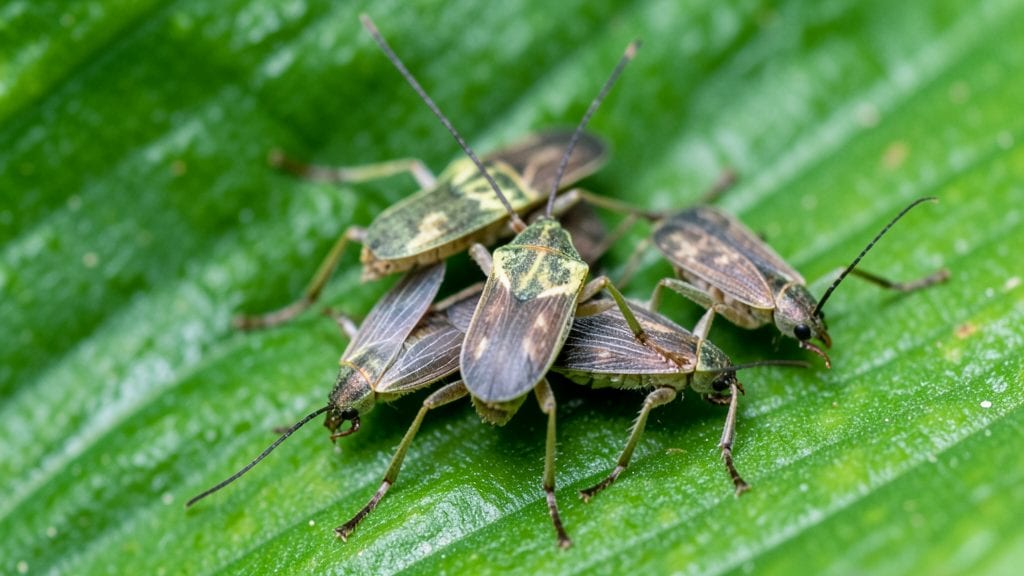
Your hosta plant bugs are turning those lush 🌿 leaves into Swiss cheese faster than you can say "shade garden."
Hostas are prized for their lush foliage and shade tolerance—but their tender leaves also make them a buffet for pests. If you’ve noticed holes, slime trails, or wilting fronds on your hostas, these common bugs could be the culprits.
From slimy slugs to skeletonizing caterpillars, these pests don’t just ruin your hostas’ looks—they can stunt growth or even kill plants if left unchecked. The good news? You don’t need harsh chemicals to reclaim your plants.
In this guide, I’ll walk you through the 7 most common hosta plant bugs, how to spot them early, and the best organic solutions to protect your Zone 6 shade garden without breaking a sweat.

7 Most common hosta plant bugs and their telltale damage signs
Your hostas might look like a dream come true with their broad, heart-shaped leaves—but they’re also a magnet for pests. These 7 common bugs target hostas, each leaving behind distinct damage signs that help you identify them early.
The key is spotting these clues before your plants become a buffet. Let’s break down the culprits and their signature damage so you can act fast.
Slugs and snails are the first offenders, leaving behind irregular holes with slime trails that glisten in the morning dew. These nocturnal pests prefer damp conditions, so if your hostas are near mulch or shade, they’re prime targets.
The damage often starts at the leaf edges and progresses inward, creating a jagged, uneven appearance.
Aphids, tiny green or black insects, cluster on the undersides of leaves, sucking sap and causing curled or yellowed foliage. You’ll also notice sticky residue (honeydew) on leaves, which can attract ants.
Unlike slugs, aphids strike in groups, so check both leaf surfaces if you suspect an infestation.
Sawfly larvae (often called slugworms) are another hosta nemesis. These grayish caterpillars chew leaves into skeletons, leaving only the veins intact. They’re most active in late spring and early summer, so keep an eye out during these months. Unlike actual slugs, they don’t leave slime trails—just ragged, lacy damage.
Japanese beetles are easy to spot with their shiny green heads and copper wings. They skeletonize leaves, eating only the soft tissue between veins, which creates a window-pane effect. These beetles are most active in midday heat, so you’ll often find them clustered on leaves during sunny afternoons.
Spider mites are tiny but mighty, causing fine webbing on leaves and speckled yellowing as they drain plant sap. Unlike larger pests, their damage is subtle at first—look for tiny dots or stippling on leaf surfaces. They thrive in dry, hot conditions, so consistent watering can help deter them.
Thrips are even smaller and leave behind silver streaks or scratched patterns on leaves. They also cause bud distortion if they attack flowers. These pests are often brought in by pollinators, so check new plants or nearby flowers if you notice this damage.
Early detection is your best defense. The sooner you identify these pests, the easier it is to eliminate them naturally. Below, you’ll find a quick-reference guide to match damage signs with the culprit—because knowing your enemy is the first step to protecting your hostas.
🌿
Now that you can spot these pests by their damage, the next step is acting fast. For example, if you see slime trails, grab a beer trap or copper barrier that night—slugs and snails won’t hesitate.
If your hostas have skeletonized leaves, handpick sawfly larvae in the morning when they’re sluggish.
Japanese beetles are easier to drown in soapy water than you might think. Just shake them into a bucket of soapy water during peak activity hours. For aphids and spider mites, a strong spray of water can knock them off leaves, while neem oil disrupts their life cycles.
Thrips, however, require more persistent monitoring—check new plants and nearby flowers regularly.
Remember, prevention is key. Mulching with gravel or sharp-edged materials deters slugs, while companion planting with garlic or chives can repel aphids naturally. Even a simple morning leaf inspection can save your hostas from becoming a full-blown pest buffet.
🪴
Natural remedies to eliminate hosta bugs without chemicals
When hosta bugs like slugs, aphids, or beetles invade your garden, chemical pesticides often feel like the only option—but they’re not. I’ve found that natural remedies can be just as effective when applied correctly. The key is targeting the right pest with the right method at the right time.
For example, a beer trap works wonders for slugs, while neem oil smothers soft-bodied insects like aphids. Let’s dive into my go-to solutions that restore your hostas to their lush, pest-free glory.
Before grabbing any remedy, identify the culprit. Slugs leave slime trails and ragged holes, while aphids cluster on undersides of leaves, causing curled fronds. Once you know the pest, you can tailor your approach.
My favorite methods are non-toxic, easy to make at home, and safe for pets and pollinators. The best part? They’re also budget-friendly and won’t disrupt your garden’s ecosystem like synthetic chemicals do.
-
1. Beer Traps for Slugs & Snails
Fill shallow dishes with beer (any type) and place near hostas. The alcohol disorients them, drowning them within hours. Refresh every 2-3 days for maximum effectiveness. Works best in evening hours when pests are most active. -
2. Neem Oil Spray for Aphids & Spider Mites
Mix 1 tbsp neem oil + 1 tsp mild soap + 1 quart water. Spray undersides of leaves in the early morning to avoid harming bees. Reapply every 5-7 days until pests vanish. Best for soft-bodied insects like aphids. -
3. Diatomaceous Earth for Beetles & Grubs
Sprinkle food-grade diatomaceous earth around hosta bases and on leaf surfaces. It dehydrates Japanese beetles and slugworms within 24-48 hours. Reapply after rain or watering to maintain effectiveness. Wear a mask when applying to avoid inhaling dust. -
4. Companion Planting with Garlic & Chives
Interplant garlic, chives, or marigolds around hostas. Their strong scents repel aphids and slugs naturally. For extra protection, crush a few garlic cloves and place them near hosta crowns. Replenish every 2 weeks for continuous pest deterrence.
Timing is everything when using these remedies. For instance, apply neem oil in the early morning to avoid harming beneficial insects like bees, which are active later in the day. Similarly, set out beer traps in the evening when slugs and snails emerge from hiding.
Consistency is key—most pests take 1-2 weeks to fully disappear after treatment begins. I’ve seen dramatic improvements in just 7 days with regular applications!
If you’re dealing with Japanese beetles, a homemade spray of 1 part water + 1 part vinegar + 1 tsp dish soap can work wonders. Spray directly on the beetles to knock them off your hostas.
For aphid infestations, a strong stream of water from your hose can dislodge clusters before applying neem oil. Always test remedies on a small area first to ensure they don’t cause leaf burn or other damage.
Don’t overlook the power of preventative measures alongside these remedies. Mulching with cedar chips deters slugs, while copper barriers create an electric-like shock that repels them. Planting lavender nearby also confuses pests with its scent. Combining these strategies creates a multi-layered defense that keeps your hostas thriving season after season.
Remember, the goal isn’t just to eliminate pests but to create a balanced ecosystem where hostas can flourish naturally. With these natural remedies, you’ll protect your garden without harming the environment or your family’s health. Happy gardening—and may your hostas stay bug-free and beautiful! 🌿