
Companion Plants
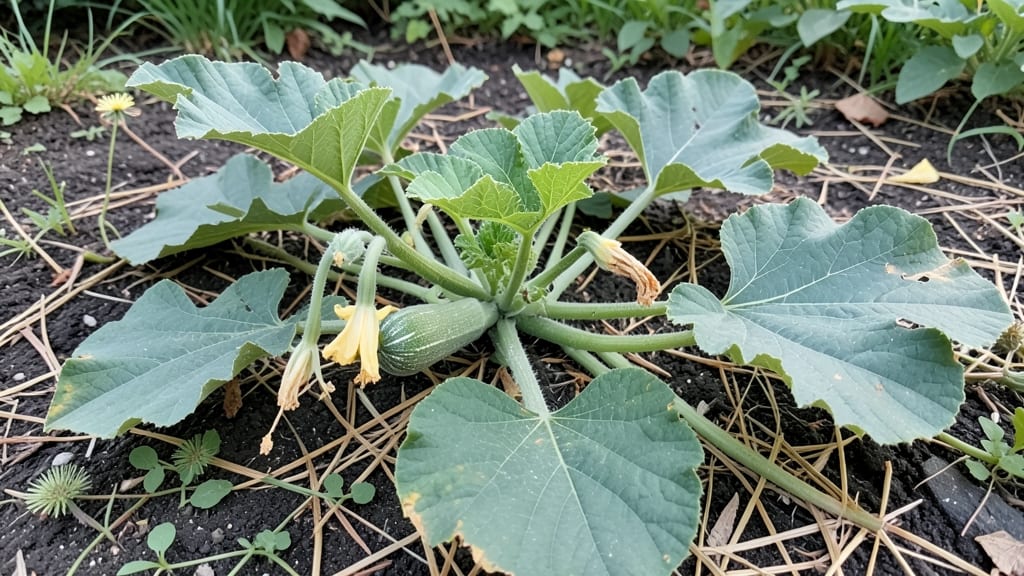
Hermaphroditism in plants refers to flowers containing both male and female reproductive parts, allowing them to pollinate themselves while still relying on external pollinators like bees. This dual system boosts fruit production and reduces dependence on outside pollinators, though some species still benefit from cross-pollination for genetic diversity.
This reproductive strategy is especially common in vegetables like tomatoes and squash, where self-pollination ensures consistent fruit set even when pollinators are scarce. 🌱 The ability to self-pollinate acts as a backup system, but many gardeners still encourage cross-pollination by planting diverse varieties nearby.
For example, in cucumbers, cross-pollination between different strains can lead to stronger disease resistance in offspring.
Understanding this mechanism helps gardeners troubleshoot issues like poor fruit development—often caused by inadequate pollination. By supporting pollinators and occasionally hand-pollinating flowers, you can maximize yields while maintaining genetic diversity in your garden.
💡 In This Article
- How Plant Hermaphroditism Enhances Reproductive Success
- Best Practices for Maximizing Fruit Yield in Hermaphroditic Plants
How plant hermaphroditism enhances reproductive success
Hermaphroditic flowers pack a reproductive double punch by housing both male stamens (which produce pollen) and female pistils (which receive pollen) in the same bloom.
This dual setup creates a built-in pollination system where pollen can transfer between flowers on the same plant without needing outside help. 🌸 The key advantage?
Flowers like those on tomato plants can self-pollinate within seconds of opening, while still welcoming bees that might carry pollen from other plants for genetic mixing. Studies show hermaphroditic species often produce 20-30% more seeds than dioecious (separate male/female) plants when pollinators are scarce.
Self-pollination works through a clever mechanism called autogamy, where pollen lands directly on the stigma of the same flower or another flower on the same plant. In cucurbits like squash, this process is so efficient that some varieties can set fruit even when completely isolated from pollinators.
The trade-off? Self-pollinated offspring are genetically identical to the parent, which can lead to weaker disease resistance over generations. 🌿 For example, a tomato plant might produce 100% fruit set through self-pollination, but those tomatoes will all share the same genetic vulnerabilities unless cross-pollination occasionally occurs.
Cross-pollination still plays a crucial role in hermaphroditic plants by introducing genetic diversity. When bees transfer pollen between different plants, the resulting seeds produce offspring with mixed traits—often resulting in stronger disease resistance and more vigorous growth.
The sweet potato vine demonstrates this perfectly: while it can self-pollinate, cross-pollinated plants develop tubers that are 30% larger on average due to hybrid vigor. This genetic mixing explains why gardeners often see better yields when planting multiple varieties of the same species together.
Another advantage of hermaphroditism is its energy efficiency. Producing separate male and female flowers requires significant resources—some dioecious plants allocate up to 40% more energy to flower development.
Hermaphroditic plants skip this division of labor, redirecting those resources to fruit development instead. 🌱 This efficiency is why hermaphroditism dominates in cultivated crops: over 70% of commercial fruit and vegetable species (like peppers, eggplants, and melons) rely on this reproductive strategy to maximize yields with minimal energy expenditure.
The biological mechanism behind this success involves precise timing. Many hermaphroditic flowers release pollen just as their stigmas become receptive—a process called dichogamy. In squash, for instance, male flowers open first, ensuring pollen is available when female flowers bloom later that day.
This synchronization reduces wasted pollen while maximizing fertilization opportunities. The result? Flowers that can self-pollinate with 95% efficiency under ideal conditions, making hermaphroditism nature's perfect backup system when pollinators are absent.