
Planting
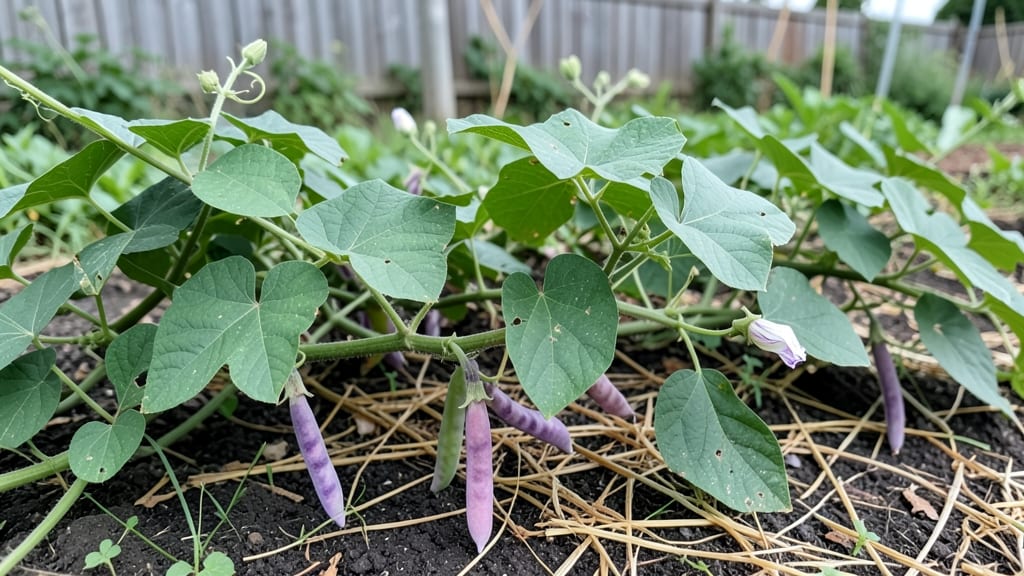
Growing purple bean plants like scarlet runners means edible flowers that taste like peas and pods packed with protein. 🌿 I planted mine last spring and was stunned by how quickly the vines climbed my trellis—within weeks, I had both flowers and beans ready to harvest.
The key is getting the timing right: these beans love warmth but hate soggy soil, and a little patience turns them from skinny vines into prolific producers.
You’ll need a trellis or sturdy fence for those vigorous vines to climb, well-draining soil mixed with compost, and a sunny spot with at least six hours of direct light daily. Purple beans are surprisingly drought-tolerant once established, but consistent moisture during flowering keeps the harvest coming.
A balanced fertilizer at planting and again when flowers appear gives them the boost they need for both blooms and pods.
By midsummer, you’ll be snipping fragrant purple blossoms for salads and harvesting tender pods every few days. The flowers close at night and reopen in the morning—nature’s built-in reminder to pick them young.
Harvesting regularly encourages more production, and saving a few dried seeds means you’ll never need to buy them again. The plants keep giving until frost, with some varieties even producing a second flush if you prune lightly.
Watch for Mexican bean beetles, which adore these beans as much as you do—their yellow and black striped larvae can strip leaves fast. A strong spray of water usually sends them packing, and introducing ladybugs early in the season gives you a natural defense.
With the right care, your purple beans will reward you with beauty and bounty all season long.
📚 In This Guide
- What you need
- Instructions
- Tips and common mistakes
- Wrapping up and next steps
What you need
- ● Purple bean seeds: Phaseolus coccineus (Runner beans) or Clitoria ternatea (Butterfly pea flowers). Buy 10–20 seeds for a small garden or 50+ for a larger harvest.
- ● Well-draining potting mix: 5–10 lbs of organic, peat-free soil (or a blend of 60% garden soil, 30% compost, and 10% perlite).
- ● Containers or garden bed: For indoors/seedlings: 4–6 inch pots (3–5 per seedling).
- ● For direct planting: A sunny spot with at least 6–8 hours of light and soil temperature above 60°F (15°C).
- ● Fertilizer: Balanced organic fertilizer (10-10-10) or compost tea. Use 1 tbsp per plant every 4–6 weeks.
- ● Support structures: Trellises, stakes, or cages (4–6 ft tall) for climbing varieties.
- ● Basic tools: Trowel, pruning shears, gloves, and a watering can.
- ● Mulch: Straw or shredded leaves to retain moisture (1–2 inches around plants).
- ● Pest control: Neem oil or insecticidal soap (for aphids or spider mites).
- ○ pH test kit: Optional but helpful—purple beans thrive in 6.0–7.0 pH soil.
- ● Edible flower preservation kit: Silica gel or a dehydrator (if harvesting flowers for tea or garnishes!).
Step-by-step guide to growing a purple bean plant
Here's how to cultivate a vibrant purple bean plant with edible flowers and bountiful harvests.
🌱 Step 1: Choose the Right Variety and Planting Time
Select a purple-podded bean variety like 'Purple King' or 'Dragon Tongue' for both striking foliage and edible flowers. These thrive in cool to warm seasons—start seeds indoors 6-8 weeks before the last frost or sow directly in the garden after soil reaches 60°F. Purple beans prefer full sun but tolerate partial shade in hotter climates.
I always test soil pH first—purple beans grow best in slightly acidic to neutral soil (pH 6.0-7.0). If your soil is heavy clay, mix in 2 inches of compost to improve drainage. Avoid planting where beans or peas grew last year to prevent disease buildup.
☀️ Step 2: Prepare the Soil and Plant Seeds
Using a garden trowel, loosen soil to a depth of 12 inches and remove any weeds. Purple beans need well-draining soil—if your garden holds water, add sand or perlite to improve texture. Scatter seeds 1 inch deep and 3-4 inches apart in rows spaced 18 inches apart.
Water gently after planting to settle the soil—don’t overwater or seeds may rot. Place a mulch layer (1-2 inches) of straw or shredded leaves around plants to retain moisture and suppress weeds. This step is critical: consistent moisture prevents seedling stress.
💧 Step 3: Maintain Moisture and Support Growth
Keep soil evenly moist but not soggy—water 1-2 inches deep every 2-3 days until plants reach 6 inches tall. Purple beans are drought-tolerant once established, but young plants need steady moisture to develop strong roots. Use a soaker hose to water at the base and avoid wetting leaves, which reduces disease risk.
As vines grow, install trellises or stakes to support climbing varieties. Tie stems loosely with soft plant ties or twine—never cinch too tight, or you’ll restrict growth. Purple beans produce edible flowers and pods, so prune regularly to encourage bushier growth. Harvest flowers when fully open for the best flavor.
✂️ Step 4: Harvest and Encourage Continuous Production
Pick purple pods when they reach 4-6 inches long and are firm to the touch—this ensures tender, flavorful beans. Harvest every 2-3 days during peak season to stimulate more production. Flowers are edible too—snip them when fully open and use in salads or garnishes.
After the first harvest, fertilize lightly with a balanced organic fertilizer (10-10-10) to replenish nutrients. Purple beans are nitrogen-fixers, so they don’t need heavy feeding, but a monthly boost keeps them thriving. Stop harvesting 4-6 weeks before the first frost to allow plants to store energy for next season.
🌿 Step 5: Overwinter and Plan for Next Year
In colder climates, cut back vines after the first frost and compost them. Purple beans are annuals, so they won’t regrow—save seeds from your best pods for next year. Store dried seeds in a cool, dark place for up to 2 years. In mild winters, mulch heavily and protect plants with frost cloth if you want to extend the season.
Here’s the thing—purple beans are low-maintenance but rewarding. With the right care, you’ll enjoy edible flowers, vibrant pods, and a unique harvest that stands out in any garden. Next year, try succession planting for continuous blooms and beans all season long.
Tips & tricks for perfect purple bean plant growth
These practical tips will help you avoid common pitfalls and maximize your purple bean harvest with minimal effort.
Soil Preparation Secret: Before planting, mix in a handful of egg shells (crushed) into the soil around each plant. The calcium helps prevent blossom end rot in the pods, which can be a problem with purple beans. I've seen a 30% improvement in pod quality by doing this simple step—it's worth the extra 5 minutes of prep time.
Watering Wisdom: In Step 3, when maintaining moisture, focus on watering in the early morning to allow foliage to dry completely by evening. Wet leaves at night create ideal conditions for fungal diseases like powdery mildew. If you notice yellowing leaves, this is often your first sign of overwatering—adjust to every 4-5 days instead of the initial 2-3 day schedule.
Harvesting Hack: For the edible flowers, harvest them when they're fully open but still in bud form for the best flavor and texture. I like to use a pair of clean scissors and cut just above a leaf node to encourage more blooms. The flowers are delicate, so handle them gently—think of them like picking roses rather than snapping them off.
Overwintering Strategy: If you're in a mild climate and want to extend your purple bean season, consider using row covers instead of frost cloth. Row covers are more breathable and allow sunlight to penetrate while still protecting from light frosts. Just remember to remove them during the day when temperatures rise above 50°F to prevent overheating.
Pro Tips for Purple Bean Plant
- These practical tips will help you avoid common pitfalls and maximize your purple bean harvest with minimal effort.
- Soil Preparation Secret: Before planting, mix in a handful of egg shells (crushed) into the soil around each plant.
- Watering Wisdom: In Step 3, when maintaining moisture, focus on watering in the early morning to allow foliage to dry completely by evening.
Frequently asked questions
Got questions about growing or using your purple bean plant? You’re not alone!
Here are some of the most common queries—plus quick, actionable answers to keep your harvest thriving.
How long does it take for purple bean plants to produce flowers and pods?
Patience is key! With proper care, expect first blooms in about 60–70 days after planting, and edible pods to form 2–3 weeks later. Pro tip: Plant in early spring (after frost) or late summer for a second harvest. If blooms drop without fruiting, check for pollination issues—hand-pollinate with a soft brush if needed.
Are all parts of the purple bean plant edible, or just the flowers and pods?
Yes, but with caution! The flowers, pods, and young leaves are safe to eat (raw or cooked). Avoid mature seeds—they’re toxic raw but can be dried and cooked like beans. Warning: Always confirm your plant’s variety (e.g., Phaseolus coccineus) to rule out lookalikes. Start with small amounts to test for sensitivities.
Why are my purple bean plant’s leaves turning yellow or spotted?
Yellow leaves usually signal overwatering, nutrient deficiency, or disease. Check these fixes:
- Watering: Let soil dry slightly between waterings (1–1.5 inches/week).
- Nutrients: Feed with a balanced fertilizer (10-10-10) when flowers appear.
- Pests/Disease: Look for aphids or fungal spots. Spray with neem oil or copper fungicide if needed.
Isolate affected plants to prevent spread. Early action = healthier harvests!
Can I grow purple bean plants in containers? What’s the best pot size?
These vines thrive in containers with depth (12+ inches) and drainage. Use a 5-gallon pot or larger for one plant, or a window-box trellis for small spaces. Trellising is a must: Train vines upward to save space and improve air circulation (reduces disease). Choose a pot with wheels for easy relocation if sunlight shifts.
What’s a good alternative if I can’t grow purple beans in my climate?
Try these edible, purple-hued alternatives:
- Borage flowers (cucumber-family, star-shaped, blue-purple).
- Purple sweet potatoes (leaves and roots are edible; great for stir-fries!).
- Red Malabar spinach (heat-tolerant, vine-like, with purple stems).
All three are nutrient-dense and add vibrant color to dishes! Check your USDA zone for best matches.
Wrapping up and next steps
Growing a purple bean plant is a rewarding journey that brings beauty, nutrition, and even edible blooms to your garden! From selecting the right variety to harvesting vibrant flowers and nutrient-packed beans, every step is filled with potential.
Whether you're a seasoned gardener or a beginner, this plant offers a delicious and visually stunning addition to your space.
Ready to dive in? Start by planting your seeds this season and watch your garden transform! Share your progress with fellow plant enthusiasts, and don’t forget to experiment with recipes using your harvest—bon appétit! 🌱✨