
Planting
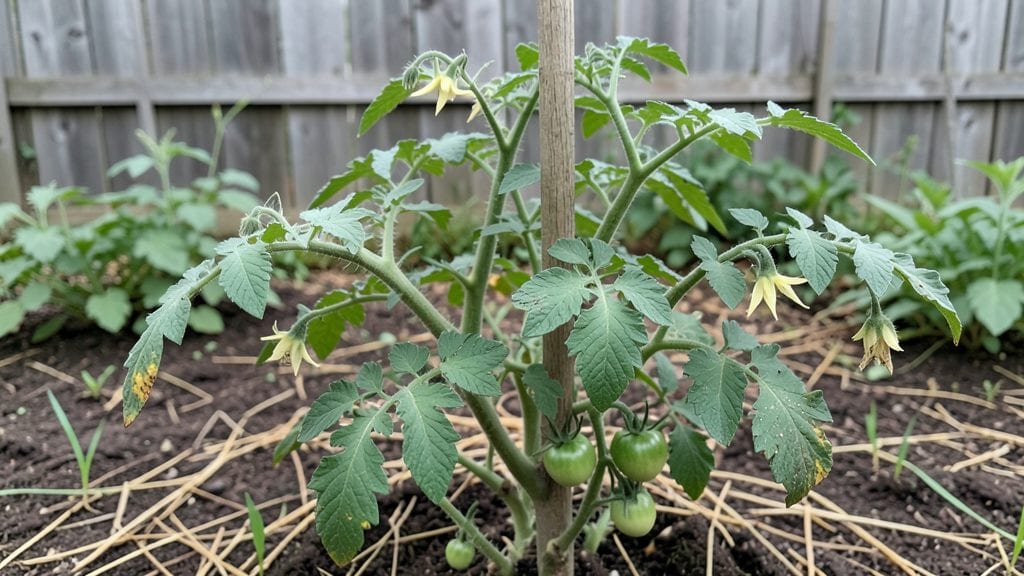
Your tomato plants aren’t just struggling—they’re silently screaming for help through stunted growth and sparse fruit. ✨ I’ve spent three summers diagnosing why my tomatoes looked like they were fighting a losing battle, and the fix comes down to three simple pruning moves that double your harvest without extra work.
The real game-changer? Removing suckers (those little shoots between the stem and branches) every two weeks forces energy into the main stem and fruit clusters. Most gardeners skip this step, but it’s the difference between a handful of tomatoes and a bushel.
You’ll also need sharp pruners, a spray bottle of neem oil for pests, and a 5-gallon bucket to catch clippings.
Within weeks, you’ll see thicker vines sporting clusters of tomatoes instead of sparse, leggy branches. The plants stay compact, resist disease better, and produce fruit until frost—no more sad, half-grown tomatoes in August. This method works for determinate (bush) and indeterminate (vining) varieties alike.
Fair warning: over-pruning back into the main stem weakens the plant. Aim for 1/3 of the plant’s height remaining after cuts, and always prune in the morning when the plant is dry. The payoff? A garden that keeps giving until the first frost.
📚 In This Guide
- What you need
- Instructions
- Tips and common mistakes
- Wrapping up and next steps
What you need
- ● Pruning shears or sharp bypass pruners: Clean, sterilized, and sharp (avoid dull tools that crush stems). 1 pair.
- ● Gloves: Garden gloves (to protect from thorns and dirt). 1 pair.
- ● Disinfectant (rubbing alcohol or bleach solution): 1:9 bleach-to-water ratio (for sterilizing tools between cuts).
- ● Compost or mulch: Organic matter (to replace pruned material and enrich soil). 5–10 gallons.
- ○ Stakes or cages (optional): 4–6 ft tall (for indeterminate varieties to support new growth). 1–2 per plant.
- ○ Plant ties (optional): Soft garden twine or Velcro strips (to secure stems to stakes). 1–2 rolls.
- ● Healthy tomato plants: Established (4–6 weeks old) with 3–5 main stems (for determinate) or indeterminate varieties (prune aggressively).
- ● Sunlight: 6+ hours of direct sun daily (pruning is best done on overcast days or early morning to reduce stress).
- ● Water: 1–2 gallons per plant (keep soil consistently moist but not waterlogged).
- ● Patience: Pruning takes time! (aim for 10–15 minutes per plant for thorough work).
How to prune tomatoes for healthier plants and larger yields
Pruning isn’t just about cutting—it’s about redirecting energy to where it matters most.
🌿 Step 1: Wait Until Plants Are Established
Hold off on pruning until your tomato plants are at least 12-18 inches tall and have 5-7 true leaves. This ensures the plant has enough energy to recover from cuts. You’ll know they’re ready when the main stem feels sturdy and the leaves are deep green—not pale or yellowing.
If you prune too early, you risk stunting growth or inviting disease through open wounds. I always wait until after the first flowers appear—this signals the plant is stable enough for shaping.
✂️ Step 2: Remove Suckers for Bushier Growth
Suckers are the small shoots that grow in the V-shaped junction between the main stem and a branch. These compete with fruit production, so pinch them off with your fingers or clean pruners. Use sharp tools to avoid tearing tissue—rough cuts slow healing and attract pests.
Focus on indeterminate varieties (like Beefsteak or Cherry tomatoes), which grow continuously. For determinate tomatoes (like Roma), suckers aren’t as critical, but removing them still improves airflow. Work from the bottom up—older suckers are less likely to produce fruit anyway.
☀️ Step 3: Prune Lower Leaves for Airflow and Sunlight
Trim away yellow or diseased leaves first—they’re dead weight. Then, remove lower leaves within 6-12 inches of the soil to prevent soil-borne diseases like blight from splashing onto the plant. You’ll see a noticeable difference in fruit quality after this step.
Leave the top 12-18 inches of leaves intact to keep photosynthesis strong. If you remove too many, the plant struggles to feed itself—and your harvest suffers. Aim for 30-50% leaf removal total, never more.
🌱 Step 4: Support and Train the Main Stem
Once your plant reaches 4-5 feet tall, tie the main stem to a sturdy stake or trellis using soft plant ties. This prevents the stem from snapping under fruit weight. I use hemp twine because it’s gentle on stems and biodegradable.
For indeterminate varieties, let 1-2 strong branches grow from the main stem. Prune weaker side shoots to focus energy on these. You’ll know you’ve done it right when the plant looks balanced, not top-heavy.
⏰ Step 5: Monitor and Adjust Through the Season
Check your plants weekly for new suckers or overcrowded branches. Remove any that appear after heavy rains or wind—these often hide in leaf axils and go unnoticed. Prune in the morning so wounds have all day to dry and heal.
Stop pruning 4-6 weeks before your first frost. New growth won’t harden off in time, and you risk losing late-season fruit. Instead, focus on harvesting and protecting the plant as temperatures drop.
Tips & tricks for perfect tomato pruning
A few simple tricks can transform your tomato plants from struggling survivors to thriving producers. Here’s what I’ve learned after years of trial and error in the garden.
Timing is Everything: In Step 1, when waiting for plants to reach 12-18 inches with 5-7 true leaves, I’ve found that the first flowers are your best signal. These plants are ready to handle pruning—they’ve built enough energy reserves to recover. I’ve seen gardeners rush this step and end up with stunted plants that never fully recover. Trust me, patience pays off with bigger yields later.
Tool Selection Matters: For Step 2, when removing suckers, I always reach for clean, sharp pruners or simply use my fingers. Dull tools tear tissue, creating larger wounds that invite disease. I keep a small bottle of rubbing alcohol nearby to wipe down my tools between cuts—this prevents cross-contamination. For those stubborn suckers, I’ve found that pinching them off just above the V-junction gives the cleanest cut.
Leaf Removal Strategy: In Step 3, when pruning lower leaves, I focus on creating a funnel shape that directs water away from the soil. This is especially important in humid climates where blight spreads quickly. I make sure to leave that top 12-18 inches of leaves untouched—they’re the plant’s solar panels, capturing sunlight for fruit production. I’ve seen gardeners remove too many leaves and end up with plants that look like they’re starving, even though they’re still producing fruit.
Support System: When your plants hit 4-5 feet in Step 4, don’t skip the support. I’ve seen too many heavy tomato plants snap under their own fruit weight. I use hemp twine because it’s gentle on stems and won’t cut into them as they grow. For extra stability, I tie the twine in a loose figure-eight pattern—this allows the stem to grow while still providing support. I’ve also found that adding a second stake at the base helps distribute the weight more evenly.
Pro Tips for Tomato Plant Help
- A few simple tricks can transform your tomato plants from struggling survivors to thriving producers.
- Timing is Everything: In Step 1, when waiting for plants to reach 12-18 inches with 5-7 true leaves, I’ve found that the first flowers are your best signal.
- Tool Selection Matters: For Step 2, when removing suckers, I always reach for clean, sharp pruners or simply use my fingers.
Frequently asked questions
Got questions about tomato plant care?
You’re not alone! Here are answers to the most common concerns—whether you’re a first-time gardener or a seasoned pro looking to tweak your technique.
When is the best time to prune tomato plants for bushier growth?
Prune your tomato plants when they’re young (about 12–18 inches tall) and continue throughout the growing season. For indeterminate varieties, trim suckers (side shoots) weekly. For determinate (bush) types, minimal pruning is needed—focus on removing diseased or crowded leaves. Pro tip: Always prune in the morning when plants are dry to reduce disease risk.
How often should I prune my tomato plants?
Check your plants weekly for suckers (the small shoots between the stem and branches). Remove them promptly to redirect energy to fruit production. Indeterminate tomatoes (like ‘Sungold’) need frequent pruning, while determinate types (like ‘Roma’) rarely require it. Over-pruning can stress plants, so balance is key!
Will pruning my tomato plants actually increase my harvest?
Pruning improves airflow, reduces disease, and helps the plant focus energy on fewer, larger fruits. Studies show pruned indeterminate tomatoes can yield 20–30% more than unpruned ones. Just avoid cutting into the main stem—always trim above a leaf or branch node.
What should I do if my tomato plant looks stressed after pruning?
Stress is normal after pruning, but you can help your plant recover by:
- Watering deeply (but not overdoing it).
- Avoiding fertilizer for 1–2 weeks to let roots adjust.
- Shading the plant temporarily if temps are extreme.
Can I use pruned tomato stems for anything else?
Yes! Don’t toss those cuttings:
- Compost them (if disease-free) to enrich your soil.
- Use as mulch around the base of other plants.
- Root healthy suckers in water to grow new plants (great for free propagation!).
Wrapping up and next steps
Growing lush, productive tomato plants is totally within your reach—just remember: pruning is your secret weapon! 🌱 With the right tools, timing, and techniques, you’ll transform skinny stems into robust vines brimming with juicy, sun-ripened fruit.
Whether you’re a first-time gardener or a seasoned green thumb, every snip brings you closer to a bountiful harvest.
Ready to put your new skills to work? Start by inspecting your plants this week—identify those sneaky suckers and weak branches, then grab your pruners and get trimming! Before you know it, you’ll be celebrating a garden overflowing with tomatoes. Happy growing! 🍅✨