
Diseases
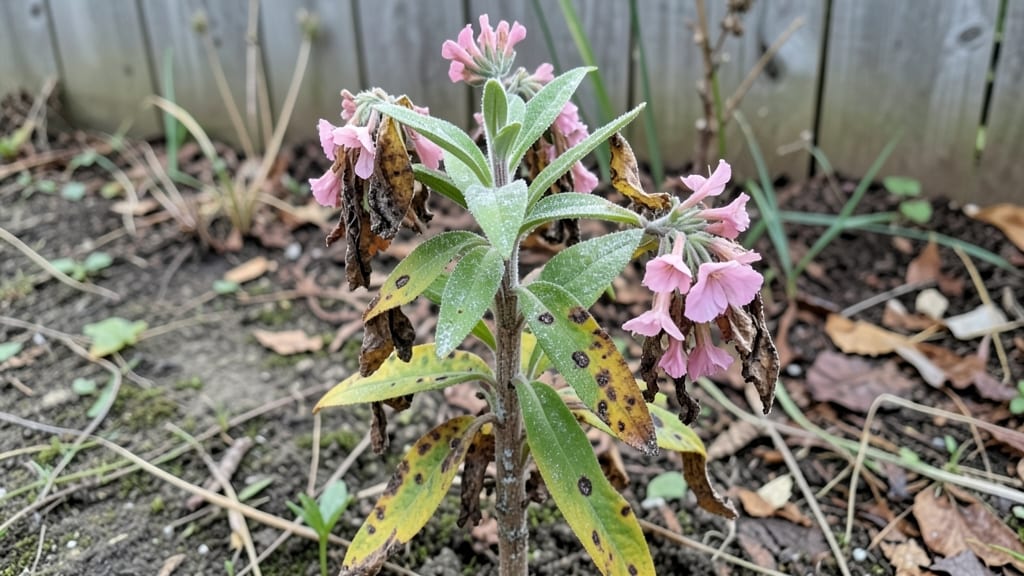
Phlox plant diseases can turn your garden’s star performers into sad, spotted messes in weeks—not days. I’ve watched powdery mildew blanket my phlox like white snow, and rust spots turn vibrant blooms into sad, brown patches. The good news? You can stop these fungal foes fast with the right moves.
Most phlox diseases start with humidity and crowded plants. Powdery mildew thrives when leaves stay damp, while leaf spots spread when air doesn’t circulate. My secret weapon? Spacing plants properly and watering at the base—not overhead.
A quick spray of neem oil or baking soda mix can knock out early signs before they take over.
By acting fast, you’ll save your phlox from looking like a disease buffet. Within 10 days, you’ll see new growth pushing through, and those blooms will bounce back—vibrant and healthy—if you catch the problem early. The key is staying one step ahead of the fungus.
Works for garden borders, containers, or even potted phlox. Here’s how to diagnose, treat, and prevent the most common fungal threats—so your phlox stays the showstopper it’s meant to be.
Root Causes Behind Phlox Woes
Phlox plants, with their vibrant blooms and lush foliage, can quickly become a gardener’s nightmare when struck by disease. But why do these issues pop up in the first place?
Understanding the real culprits behind phlox plant diseases helps you take proactive steps to protect your garden. Let’s break down the science—and the sneaky triggers—behind the most common problems.
Phlox thrives in clusters, but when plants grow too close together, humidity levels spike and air circulation stalls. This trapped moisture creates the perfect breeding ground for fungal pathogens like Botrytis blight and powdery mildew.
- Why it happens: Dense foliage blocks sunlight, keeping leaves damp longer. Fungal spores (which thrive in 70–80°F temperatures and high humidity) latch onto wet surfaces and spread rapidly. - Actionable fix: Space phlox plants 12–18 inches apart and prune them to improve airflow.
Avoid mulching too heavily around the base—keep it 2–3 inches deep to prevent moisture buildup.
Phlox roots need consistent moisture, but soggy soil is a fast track to root rot (Phytophthora or Pythium) and fungal infections. Overwatering doesn’t just drown roots—it also washes away beneficial microbes that help suppress pathogens.
- Why it happens: Phlox prefers well-draining soil, but heavy clay or compacted ground traps water.
Irrigation methods (like overhead sprinklers) can also splash spores onto leaves, accelerating infection. - Actionable fix: - Water deeply but infrequently—aim for 1 inch per week (adjust for rain). - Use drip irrigation instead of sprinklers to keep foliage dry. - Amend soil with compost or perlite to improve drainage.
Fungal diseases like powdery mildew and leaf spot often linger in leftover plant debris from previous seasons. Spores survive in dead leaves, stems, and even mulch, ready to reinfect new growth as soon as conditions are right.
- Why it happens: Many fungal pathogens are overwintering opportunists.
They hibernate in organic matter until warm, wet springs trigger their comeback. - Actionable fix: - Clean up thoroughly in fall—remove all plant debris, including spent blooms. - Disinfect pruners with 70% rubbing alcohol or a 10% bleach solution between cuts. - Rotate crops: Avoid planting phlox in the same spot year after year (wait 3–4 years before replanting).
Aphids, Japanese beetles, and spider mites don’t just munch on phlox—they damage leaves and stems, creating entry points for bacteria and fungi. Weakened plants are far more susceptible to infections like Septoria leaf spot.
- Why it happens: Pests feed on sap, reducing the plant’s ability to produce protective compounds (like phenolics).
Their sticky honeydew also attracts sooty mold, further stressing the plant. - Actionable fix: - Monitor plants weekly for pests—look under leaves for aphids or chewed edges. - Use neem oil or insecticidal soap as a preventive spray. - Introduce beneficial predators like ladybugs or lacewings to control outbreaks naturally.
Phlox is hardy, but heatwaves, frost, or nutrient deficiencies weaken its immune system. Stressed plants are easy targets for diseases like Fusarium wilt, which clogs vascular tissue and cuts off water flow.
- Why it happens:
- Heat stress: Temperatures above 85°F can scorch leaves, making them vulnerable to fungal invasion.
- Nutrient imbalance: Too much nitrogen (from over-fertilizing) promotes soft, lush growth that’s prone to mildew.
- Frost damage: Early-season frosts can crack stems, inviting bacterial infections.
- Actionable fix:
- Mulch properly (2–3 inches of straw or shredded bark) to regulate soil temperature.
- Balance fertilizers: Use a low-nitrogen, high-phosphorus formula (e.g., 5-10-10) to encourage root strength.
- Provide afternoon shade in hot climates with lightweight shade cloth.
Phlox prefers slightly acidic to neutral soil (pH 6.0–7.0), but alkaline or compacted soil disrupts nutrient uptake and microbial activity. Weakened roots struggle to fend off pathogens like Rhizoctonia, which causes damping-off in seedlings.
- Why it happens:
- High pH (>7.5): Locks out essential nutrients like iron and manganese, stunting growth.
- Compacted soil: Reduces oxygen flow to roots, making them susceptible to rot.
- Actionable fix:
- Test soil pH and amend with sulfur (to lower pH) or lime (to raise pH) as needed.
- Aerate soil annually with a garden fork or gypsum to improve structure.
- Add compost (1–2 inches) in spring to boost microbial diversity.
The best defense? Disrupt fungal lifecycles by combining cultural practices (like proper spacing and cleanup) with preventive treatments. A baking soda spray (1 tsp baking soda + 1 quart water + a drop of soap) can suppress powdery mildew before it takes hold.
For stubborn infections, copper fungicides (used before symptoms appear) can create a protective barrier.
Quick Fixes for Sick Phlox
Now that you’ve identified what’s ailing your phlox, it’s time to roll up your sleeves and restore your garden’s star performer! The good news? Most phlox diseases respond well to early, targeted action.
Below, we’ve mapped the most common culprits to practical solutions—plus pro tips to keep your plants thriving long-term.
🔥 Cause: Fungal spores love humid air and crowded foliage.
1. Prune & Improve Airflow 🌬️
- Step 1: Snip off infected leaves (especially lower ones) with sterilized pruners (wipe with rubbing alcohol between cuts).
- Step 2: Space plants 12–18 inches apart to reduce humidity pockets.
Thin out overcrowded clusters. - Step 3: Remove fallen leaves/debris from the base—fungi hibernate there!
2. Fungal Sprays: Organic & Chemical Options
| Method | How to Use | Best For |
|---|---|---|
| Neem Oil Spray | Mix 1 tbsp neem oil + 1 tsp mild soap + 1 quart water. Spray evenly (top/bottom of leaves). Repeat every 7–10 days. | Early-stage powdery mildew, leaf spots |
| Baking Soda Solution | 1 tsp baking soda + 1 quart water + few drops of soap. Spray weekly at dawn. | Mild fungal outbreaks |
| Copper Fungicide | Follow label rates (e.g., Cheshunt Compound). Apply preventively in spring. | Severe or recurrent infections |
💡 Pro Tip: Spray in the early morning so leaves dry quickly—fungi thrive in moisture!
3. Prevent Future Outbreaks
- Water wisely: Use drip irrigation or water at the base (avoid overhead sprinklers).
- Rotate treatments: Don’t rely on one spray—switch between neem oil and copper fungicide seasonally.
- Sanitize tools: Clean pruners with 70% isopropyl alcohol after each use.
🔥 Cause: Weakened plants (from fungal stress) attract pests, which then spread disease.
1.
Manual Removal 👨🍳 - Aphids: Blast off with a strong stream of water or wipe leaves with a soapy sponge (1 tsp dish soap per gallon of water). - Japanese Beetles: Handpick into a soapy bucket (they’re active in late morning). - Slugs: Set out beer traps (bury a cup filled with beer) or use iron phosphate bait (pet-safe).
2. Natural Repellents
- Garlic spray: Blend 1 garlic bulb + 1 quart water, strain, and spray foliage weekly.
- Diatomaceous earth: Lightly dust around plant bases (avoid direct contact—it’s abrasive to plants).
- Row covers: Use floating fabric to block beetles during peak feeding (late June–July).
💡 Pro Tip: Release ladybugs or lacewings—they’re aphid-eating superheroes!
🔥 Cause: Overwatering, poor drainage, or scorching sun weakens phlox, making them susceptible to disease.
1. Adjust Watering Habits 💧
- Check soil moisture: Stick your finger 1 inch deep—water only if dry. Phlox hates soggy roots!
- Mulch properly: Apply 2–3 inches of organic mulch (straw or shredded bark) to retain moisture and regulate temperature.
2. Shield from Scorching Sun
- Provide afternoon shade with lightweight shade cloth (30–50%) if your phlox is in a hot, dry spot.
- Avoid transplant shock: If moving phlox, do it in early spring or fall—midday summer heat stresses roots.
💡 Pro Tip: Group phlox with taller plants (like delphiniums) to create natural shade for their lower leaves.
Prevention is your best tool! Here’s how to future-proof your phlox:
- Choose resistant varieties: Opt for ‘David’ or ‘Lipstick’ phlox—they’re bred to fight disease.
- Rotate crops: Avoid planting phlox in the same spot yearly (fungi build up in soil).
- Boost soil health: Amend with compost and mycorrhizal fungi to strengthen roots.
- Monitor regularly: Check undersides of leaves and new growth weekly for early signs.
Remember: Patience is key! Some treatments take 2–3 weeks to show results. Stay consistent, and your phlox will bounce back—bigger and healthier than ever. 🌸
Frequently asked questions
What are the most common signs of powdery mildew on phlox?
Look for white, powdery patches on leaves and stems—like dusting flour on your plants. These spots start small but spread quickly, especially in humid conditions. Check undersides of leaves first, as mildew often hides there before becoming visible on top.
Can I still use my phlox flowers if they have leaf spot disease?
Yes, but remove infected leaves first. Leaf spot rarely affects flower quality, but prune diseased foliage to prevent spread. Deadhead spent blooms regularly to improve airflow and reduce humidity around the plant.
How often should I spray neem oil on my phlox to prevent diseases?
Apply neem oil every 7-10 days during growing season (spring to fall). Start spraying when new growth appears and continue until first frost. Mix 1 tablespoon neem oil + 1 teaspoon mild soap per quart of water for best results.
Will copper fungicide harm beneficial insects in my garden?
Copper can affect some beneficial insects if overused. Apply only when needed (early spring or during outbreaks) and avoid spraying when bees are active. For safer options, alternate with organic sprays like baking soda or potassium bicarbonate.
Can I save my phlox if it has Fusarium wilt?
Unfortunately, Fusarium wilt is often fatal. Remove infected plants immediately to prevent soil contamination. Solarize the area (cover with clear plastic for 4-6 weeks in summer) or plant disease-resistant varieties in that spot next season.