
Diseases
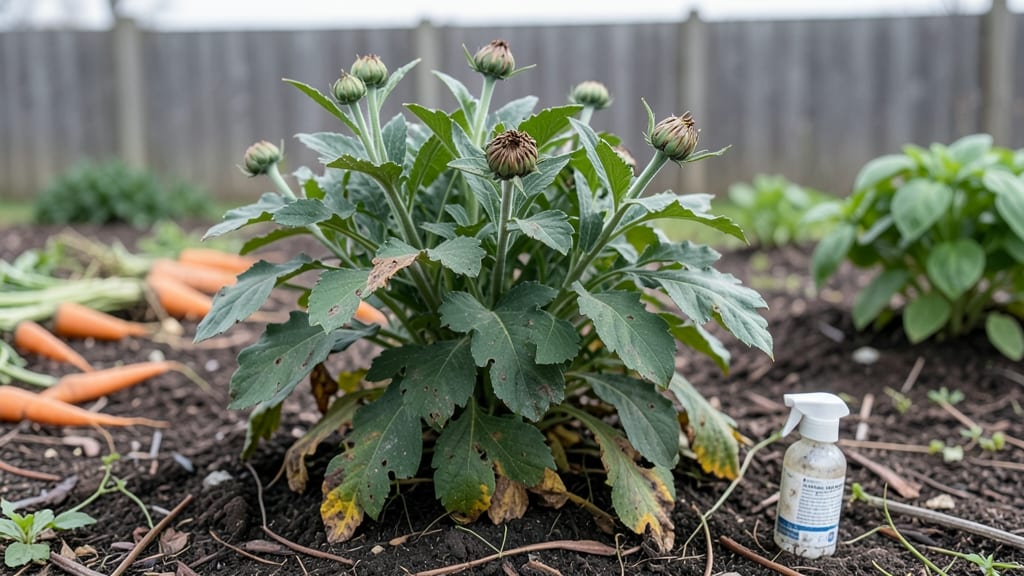
Chrysanthemum plant diseases can turn your vibrant blooms into a sad, spotted mess if you don’t catch them early. 🌿 I’ve seen powdery mildew turn lush mums into ghostly white skeletons, and leaf spot reduce those glossy leaves to Swiss cheese—so I’m sharing how to spot these fungal foes before they spread.
The worst offenders—like powdery mildew, rust, and septoria leaf spot—love warm, humid weather. That’s why I check my plants every week after rain or when the air feels thick.
The key is acting fast: prune infected leaves immediately, space plants for airflow, and avoid overhead watering, which turns foliage into a fungal buffet.
You’ll save your chrysanthemums with simple fixes: neem oil sprays for mildew, copper fungicide for rust, and baking soda mixes for leaf spot. My plants bounce back stronger after treatment, and the blooms stay bold and healthy all season.
The secret is catching problems when they’re small—before they steal your garden’s showstopper.
Works for container mums, garden beds, or even those potted varieties on your porch. Once you master these early warnings, your chrysanthemums will stay the star of the show—no fungal crashes allowed.
Root Causes Behind Chrysanthemum Struggles
Chrysanthemums may seem resilient, but they’re not immune to stress—especially when it comes to fungal diseases. Understanding why these issues arise is the first step to preventing them. Below, we break down the key culprits, from environmental factors to plant biology, so you can address the problem at its source.
Fungi thrive in moisture, and chrysanthemums are particularly susceptible when their leaves, stems, or soil stay damp for too long. Here’s why:
- Poor drainage: Compacted or heavy clay soil traps excess water, creating the perfect breeding ground for pathogens like Botrytis cinerea (gray mold) or Phytophthora (root rot).
- Frequent overhead watering: Wet foliage for extended periods (especially in cool, humid weather) allows spores to germinate and infect plants.
- High humidity: Fungal spores spread more easily in stagnant, moist air, accelerating diseases like Septoria leaf spot.
💡 Pro Tip: Water at the base in the morning to allow foliage to dry quickly. Use raised beds or amend soil with perlite/sand if drainage is poor.
Chrysanthemums prefer moderate temperatures (60–75°F), but sudden shifts—especially cold snaps or heatwaves—weaken their defenses. Here’s how:
- Cold stress: Temperatures below 50°F slow plant metabolism, making them more vulnerable to Powdery Mildew (Erysiphe cichoracearum) and Leaf Spot.
- Heat stress: Prolonged heat (above 85°F) causes wilting and nutrient deficiencies, leaving plants susceptible to secondary infections.
- Transplant shock: Moving chrysanthemums too early in the season (before soil warms) delays root establishment, increasing disease risk.
🌡️ Actionable Fix: Harden off transplants gradually and mulch to stabilize soil temps. Avoid planting in low-lying areas where cold air pools.
Chrysanthemums need good circulation to dry quickly and resist fungal spores. Crowded plants or dense foliage create a greenhouse effect, trapping moisture and spores. Common triggers:
- Overcrowding: Plants spaced too closely (less than 12–18 inches apart) shade each other, slowing evaporation and promoting Botrytis.
- Thick mulch layers: Mulch over 2–3 inches can suffocate roots and trap humidity against stems.
- Poor pruning habits: Leaving dead or diseased stems (instead of cutting back to healthy tissue) spreads pathogens like Alternaria.
🌿 Solution: Prune regularly to improve airflow, space plants properly, and avoid thick mulch piles near stems.
Fungal spores can lurk on gardening tools, compost, or old plant debris, waiting to infect healthy chrysanthemums. Key sources:
- Reused tools: Pruners or shears contaminated with Septoria or Powdery Mildew spores can transfer diseases between plants.
- Infested soil: Replanting in the same spot without sterilizing (or rotating crops) perpetuates pathogens like Fusarium wilt.
- Composted diseased plants: Adding infected leaves or stems to compost can reintroduce spores into the garden.
✨ Prevention: Sterilize tools with 70% isopropyl alcohol, solarize soil in summer (cover with clear plastic for 4–6 weeks), and avoid composting diseased plant material.
By tackling these root causes—moisture, temperature, airflow, and contamination—you’ll create an environment where chrysanthemums stay strong and fungal diseases struggle to take hold. Next, we’ll dive into how to spot these issues early.
How to Fix Chrysanthemum Ailments
When your chrysanthemums start showing signs of distress, quick action can save your plants—and your sanity! Below, we’ll map out practical, step-by-step solutions for the most common fungal diseases, along with prevention tips to keep your blooms thriving. Think of this as your emergency repair kit for sickly chrysanthemums.
Problem: White, powdery coating on leaves (like dust, but worse). Fix:
- 🧼 Remove Infected Foliage
- Snip off heavily mildewed leaves with sterilized pruners (wipe with rubbing alcohol between cuts).
- Dispose of clippings in the trash—not the compost!
- 💦 Wash Leaves with Soapy Water
- Mix 1 tbsp mild dish soap (like Dawn) + 1 gallon water in a spray bottle.
- Spray both sides of leaves thoroughly. Repeat every 3–4 days until mildew fades.
- 🌿 Boost Airflow & Light
- Space plants 6–12 inches apart to improve air circulation.
- Move plants to a sunnier spot (6+ hours of sunlight daily).
💡 Prevention Pro Tip:
- Spray preventatively with a baking soda mix (1 tsp baking soda + 1 tsp oil + 1 tsp soap per quart of water) once a month during humid seasons.
Problem: Dark, water-soaked spots with yellow halos (often from Alternaria or Septoria). Fix:
- ✂️ Prune Aggressively
- Cut off all spotted leaves—don’t leave them to spread spores.
- Sterilize tools between cuts to avoid cross-contamination.
- 🧴 Apply Fungicide
- Use a copper-based fungicide (like Bonide Copper Fungicide) or a neem oil spray (2 tbsp neem oil + 1 tsp soap per gallon of water).
- Spray early in the morning (avoid direct sunlight to prevent leaf burn).
- 💧 Adjust Watering Habits
- Water at the base, not overhead. Use drip irrigation or a soaker hose to keep foliage dry.
🔥 Prevention Pro Tip:
- Rotate crops—don’t plant chrysanthemums in the same spot year after year (fungal spores linger in soil).
Problem: Gray, fuzzy patches on flowers and stems (caused by Botrytis cinerea). Fix:
- 🚫 Isolate Infected Plants
- Move sick plants at least 10 feet away from healthy ones to prevent spore spread.
- 🧹 Clean Up Debris
- Remove all infected plant material (including dead flowers) and sterilize containers/pots with a 10% bleach solution.
- 🌡️ Reduce Humidity
- Avoid overhead watering and space plants widely for airflow.
- Use a fan on low speed near plants to dry them faster.
✨ Prevention Pro Tip:
- Deadhead flowers promptly—don’t let them linger on the plant.
- Avoid working with plants when they’re wet (spores spread easily in moisture).
Problem: Orange-yellow pustules on undersides of leaves. Fix:
- 🍂 Remove Severely Infected Leaves
- Toss rusty leaves in the trash (don’t compost—they’ll reinfect next year).
- 🛡️ Apply Copper Fungicide
- Spray with copper fungicide (follow label instructions) every 7–10 days until symptoms disappear.
- 🌱 Rotate Plant Locations
- Rust spores survive in soil—don’t replant chrysanthemums in the same spot for 2+ years.
🎯 Prevention Pro Tip:
- Plant resistant varieties like ‘Dynamite’ or ‘Bright Golden Anne’ if rust is recurrent in your area.
No matter the disease, healthy plants fight back better.
Use these year-round strategies: - 💪 Fertilize Right: Use a balanced, slow-release fertilizer (10-10-10) at planting, then every 4–6 weeks in growing season. - 🌧️ Mulch Wisely: Apply 2–3 inches of organic mulch (straw or shredded leaves) to reduce soil splashing onto leaves. - 🌿 Crop Rotation: Switch chrysanthemum families (e.g., mums → marigolds → basil) to break fungal cycles.
🚨 Emergency Move: If a plant is beyond saving, pull it immediately to stop the spread. Sometimes, sacrificing one plant saves the whole garden.
Frequently asked questions about chrysanthemum diseases
What are the first signs my chrysanthemums have a fungal disease?
Watch for white powdery coatings (powdery mildew), dark spots with yellow edges (leaf spot), or orange-yellow pustules on leaf undersides (rust). These symptoms appear early—check leaves and stems weekly after rain or high humidity. Catching them before they spread saves your plants!
Can I still use my chrysanthemums if they have mild disease?
Only if the infection is very early and localized! Remove infected leaves immediately and treat with fungicide. For cut flowers, trim stems underwater and change vase water daily to slow spore spread. Severe cases should be discarded to prevent further contamination.
How often should I spray fungicide on my chrysanthemums?
Preventative sprays every 2-4 weeks during humid seasons work best. Once symptoms appear, apply fungicide every 7-10 days until the problem clears. Always spray in the early morning to avoid leaf burn from sunlight.
Will my chrysanthemums recover from severe fungal infections?
It depends! Light infections often respond well to treatment, but severe cases may require removing the entire plant. For stubborn diseases like rust, rotate planting locations and use resistant varieties next season. Healthy plants recover faster with proper care.
Can I use homemade remedies for chrysanthemum diseases?
Yes! Mix 1 tsp baking soda + 1 tsp oil + 1 tsp soap per quart of water for powdery mildew, or use neem oil spray (2 tbsp neem oil + 1 tsp soap per gallon) for leaf spots. These work well for prevention but may need repeat applications for active infections.