
Pruning
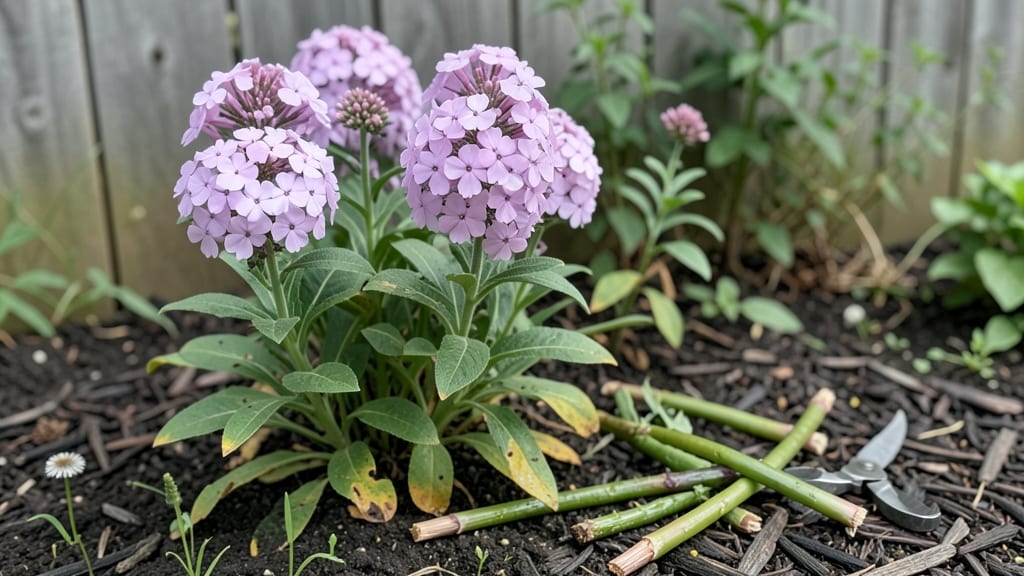
Pruning phlox plants might sound intimidating, but three strategic cuts a year can turn your clumps into lush, blooming powerhouses that keep flowering until frost. 🌿 I learned the hard way—skipping pruning left mine looking ragged and producing half the blooms. The secret is timing and technique, not brute force.
You only need three tools: sharp pruning shears, clean gloves, and a bucket for clippings. The real work happens in three phases: late winter cleanup, post-bloom shaping, and occasional deadheading.
Most gardeners mess this up by cutting too late or removing too much foliage—both mistakes starve your plants of energy for next season's blooms.
After pruning, you'll see fresh green growth within weeks, followed by dense clusters of flowers that last from early summer straight through fall. The plants stay compact, resist flopping, and produce more blooms than unpruned varieties. Even neglected phlox can bounce back with the right approach.
Works for both garden phlox and creeping phlox varieties, and adapts to containers or borders. The same principles apply whether you're dealing with a single plant or a whole border. Let's get those shears ready!
📚 In This Guide
- What you need
- Instructions
- Tips and common mistakes
- Wrapping up and next steps
What you need
- ● Bypass pruners: Sharp, clean pruners (5-inch blades) for precise cuts—avoid anvil pruners to prevent crushing stems.
- ○ Hand pruners (optional): Smaller, ergonomic pruners (3-inch blades) for delicate trimming in tight spots.
- ● Garden shears: Heavy-duty shears (8-inch blades) for thicker stems or large-scale pruning.
- ● Gloves: Sturdy, cut-resistant gloves (e.g., work gloves with reinforced palms) to protect from thorns and sap.
- ● Disinfectant (70% isopropyl alcohol or bleach solution): 1 part bleach to 9 parts water to sanitize tools between cuts.
- ● Loppers: For stubborn, woody stems (16–24-inch reach).
- ● Garden kneeler/pad: For comfort during ground-level pruning.
- ● Pruning saw: If dealing with thick, mature phlox stems.
- ● Garden twine or labels: To mark stems you plan to remove later.
- ● Compost bin or bag: For collecting pruned debris (phlox composts well!).
- ● Choose a dry, overcast day—wet phlox stems can harbor disease.
- ● Wear long sleeves and pants to avoid scrapes from thorns.
- ● Check the weather forecast for no rain within 24–48 hours post-pruning.
How to prune phlox for continuous, healthy blooms
Here's the straightforward method I use to keep my phlox flowering all season long—no complicated techniques, just three clean cuts.
✂️ Step 1: Deadhead Spent Blooms Weekly
As soon as a cluster of phlox flowers fades and drops its petals, snip it off just above the next set of leaves or buds. I use sharp pruning shears for clean cuts—dull blades crush stems and invite disease. You'll notice new side shoots forming within days, and those will quickly produce fresh blooms. This keeps your plants looking tidy and encourages more flowers instead of seed production.
Don't wait until the whole cluster is brown—cut it back when it's still slightly green at the base. I check my phlox every Monday morning and always find a few spent blooms ready for trimming. This simple habit extends the flowering season by several weeks and keeps the plant's energy focused on producing more flowers rather than seeds.
✂️ Step 2: First Heavy Pruning After First Frost
Once your phlox has finished blooming for the season and the first frost hits, it's time for the big cut back. Using clean, sterilized pruners, cut the entire plant back by about one-third of its height. This removes the old, tired growth and allows fresh, vigorous shoots to emerge in spring. I always sterilize my pruners with rubbing alcohol between plants to prevent spreading any potential diseases.
This is the moment that matters: cutting back too early can expose tender new growth to cold, while waiting too long can leave the plant vulnerable to winter damage. Look for the stems to have turned brown and crispy—this is your signal that the plant has gone dormant and is ready for its winter haircut. After pruning, I leave the cut stems in place rather than removing them, as they provide some winter protection.
✂️ Step 3: Light Spring Pruning Before New Growth
In early spring, just as the first signs of new growth appear—those tiny green buds at the base of the plant—it's time for your final pruning of the season. Cut back any remaining dead or damaged stems to about 2 inches above the ground. This ensures your plant has plenty of energy to focus on producing strong new growth rather than supporting old, dead material.
Here's the thing—don't prune too early in spring. You want to wait until you see those first true leaves emerging, as cutting back before then can remove the new growth you've been waiting for. I usually do this pruning in late March or early April, depending on my local climate. After this final cut, your phlox will reward you with a flush of fresh, vibrant growth ready to burst into bloom.
✂️ Step 4: Optional Mid-Season Renewal Cut (For Perennial Phlox)
If your phlox starts looking leggy or overgrown mid-season, you can give it a mid-season renewal cut to encourage a second flush of blooms. Simply cut back the entire plant by about half its height in early summer. This works best for perennial phlox varieties that are known for their ability to rebloom. You'll see new growth emerge within a couple of weeks, and with proper care, you can enjoy another round of beautiful flowers later in the season.
Real talk: this step isn't necessary for all phlox varieties, especially annuals or those that bloom just once. But for perennial types like garden phlox, this can be a game-changer. Just make sure to fertilize lightly after the cut to give the new growth a boost. I use a balanced, slow-release fertilizer to avoid burning the tender new shoots.
Tips & tricks for pruning phlox plants
A few simple strategies that'll keep your phlox blooming beautifully all season long.
Timing is Everything: In Step 1, when you're deadheading those spent blooms weekly, timing matters more than you might think. The moment those petals drop is your cue to act—don't wait until they're completely brown. I've found that cutting when the base still has a slight green tint gives the plant the best chance to redirect its energy into new blooms. This weekly check keeps your phlox looking fresh and encourages continuous flowering.
Tool Maintenance Matters: Sterilizing your pruners between cuts in Step 2 is non-negotiable. I learned this the hard way after my phlox developed some unsightly brown spots. Simply wipe your blades with rubbing alcohol between plants, and you'll prevent disease from spreading. Sharp tools also make the job easier—dull blades crush stems, which can actually harm your plants more than help.
Visual Cues for Spring Pruning: For Step 3, look for those tiny green buds at the base of the plant—they're your signal that it's time to prune. I usually wait until I see at least 3-4 of these new shoots emerging before I make my final cut. This ensures I'm not removing any potential new growth that could become your next beautiful blooms. Patience here pays off with a stronger plant.
Optional Mid-Season Boost: If you're working with perennial phlox and notice leggy growth mid-season, that optional renewal cut in Step 4 can be a game-changer. I've seen plants that looked spent come back with a second flush of blooms after this cut. Just remember to fertilize lightly afterward—your plant will be hungry for nutrients after such a dramatic change. Use a balanced, slow-release fertilizer to avoid overwhelming the new growth.
Pro Tips for Pruning Phlox Plants
- A few simple strategies that'll keep your phlox blooming beautifully all season long.
- Timing is Everything: In Step 1, when you're deadheading those spent blooms weekly, timing matters more than you might think.
- Tool Maintenance Matters: Sterilizing your pruners between cuts in Step 2 is non-negotiable.
Frequently asked questions
Got questions about pruning your phlox?
You’re not alone! Here are the most common concerns—and straightforward answers—to keep your plants thriving.
When is the best time to prune phlox?
Prune after blooming (late summer to early fall) for perennial phlox, and in early spring (before new growth) for a fresh start. Never prune in winter—frost can damage tender stems. For annual phlox, a light trim after the first flush of flowers encourages reblooming.
How much should I cut back phlox?
For perennials, cut back one-third to half of the plant’s height (about 3–6 inches) to remove spent blooms and encourage new growth. For woody phlox, trim just above a leaf node or bud. Never remove more than half—it can stress the plant and reduce next year’s blooms.
What if my phlox looks leggy or sparse after pruning?
Leggy growth often means your phlox needs more sunlight or balanced fertilization (use a low-phosphorus, high-potassium mix in early spring). Thin out crowded stems to improve airflow, and mulch to retain moisture. If the issue persists, your phlox may need rejuvenation pruning—cutting back harder in early spring.
Can I prune phlox in hot or humid weather?
Avoid pruning during heatwaves or humidity spikes—stressed plants are more prone to disease (like powdery mildew). Wait for cool, overcast days or early morning/evening when temps are mild. If you must prune in summer, do it gradually to reduce shock.
What if I skip pruning altogether?
Unpruned phlox can still bloom, but expect fewer, smaller flowers and a messier appearance. Over time, old stems weaken, leaving room for pests or disease. Annual pruning rejuvenates the plant, promotes bushier growth, and extends the blooming season—so it’s worth the effort!
Wrapping up and next steps
Pruning your phlox plants doesn’t have to be intimidating—just a few strategic cuts can transform your garden into a year-round blooming paradise! 🌸 With the right timing, tools, and technique, you’ll encourage healthier growth, more vibrant flowers, and even prevent pesky diseases.
Now that you’re armed with the knowledge, there’s no better time to grab those shears and get pruning!
Ready to see the magic happen? Start with just one section this weekend—whether it’s tidying up last year’s growth, shaping for summer blooms, or prepping for winter. Your phlox will thank you with stunning, repeat performances all season long!