
Pests and Diseases
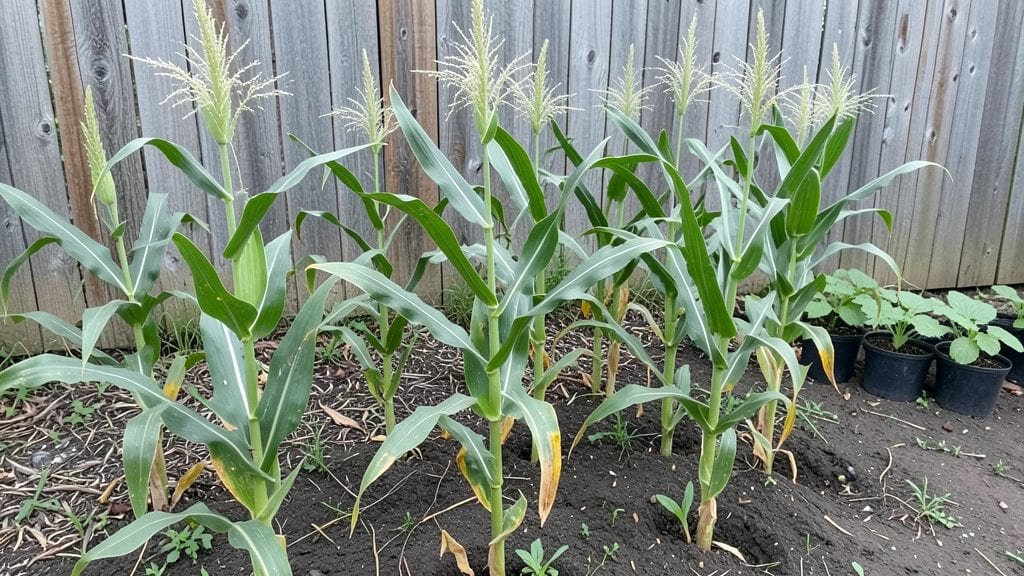
You can plant corn and watermelon together using companion planting techniques, since corn stalks offer shade for delicate watermelon seedlings while watermelon vines help repel pests like raccoons that might otherwise damage corn. However, proper spacing and soil management are essential to prevent competition and maintain strong harvests.
This pairing works because watermelon's sprawling vines create a natural ground cover that smothers weeds and deters pests, while corn's towering stalks shield young watermelon plants from harsh sunlight. 🌱 The key is strategic placement—plant watermelon seeds 6+ feet away from corn rows to avoid root competition, and consider staggered planting times if your growing season is short.
Many gardeners also use this combo in raised beds or containers to control spacing more precisely.
What's interesting is how this relationship benefits both crops differently: watermelon thrives in the partial shade corn provides during its early growth stages, while the corn benefits from watermelon's ability to repel raccoons and other critters that might otherwise raid the cornfield.
This natural pest control can significantly boost corn yields in areas where raccoon damage is common.
💡 In This Article
- Companion Planting Benefits for Corn and Watermelon
- Optimal Spacing and Layout for Dual Plantings
Companion planting benefits for corn and watermelon
Here's what's actually happening when you pair corn and watermelon: corn stalks act as natural sunshades for watermelon seedlings, which thrive in partial shade during their early growth stages. Watermelon vines, in turn, sprawl across the soil surface, creating a living mulch that blocks sunlight from reaching weed seeds.
This dual action reduces the need for synthetic mulch and manual weeding while maintaining soil moisture through reduced evaporation.
The science behind this partnership involves root competition management. Corn has deep taproots that reach 3-6 feet below ground, while watermelon roots spread horizontally but only penetrate 1-2 feet deep. This difference allows both crops to access distinct soil layers without directly competing for nutrients.
Additionally, watermelon's sprawling habit creates microclimates that deter pests like raccoons—these animals are less likely to venture through dense vine cover, protecting corn ears from damage.
What most people don't realize is how this combination improves soil structure over time. Watermelon vines break up compacted soil as they spread, while corn roots create channels that improve water infiltration. Together, they create a more aerated root zone that benefits subsequent crops.
The key is maintaining proper spacing: watermelon vines need 6+ feet of clearance from corn rows to prevent shading mature corn plants, which require full sunlight for photosynthesis.
This planting strategy also works because of their different growth cycles. Corn matures in 60-90 days depending on variety, while watermelon takes 70-90 days to fruit. By staggering planting times—corn first, watermelon 2-3 weeks later—you ensure both crops reach their peak needs simultaneously.
The corn provides early-season shade when watermelon seedlings are most vulnerable, then steps back as watermelon vines mature and spread.
Consider these additional benefits when planning your layout:
- Natural pest control: Watermelon's strong aroma repels cucumber beetles that also attack corn
- Soil moisture retention: Watermelon's broad leaves reduce water loss through evaporation
- Extended harvest window: Corn provides early-season yield while watermelon extends into late summer
The most successful gardeners use this pairing in raised beds or container gardens where they can precisely control spacing. In ground plantings, create buffer zones of 3 feet between corn rows and watermelon hills to prevent root competition. This strategic spacing allows both crops to reach their full potential while maintaining the natural benefits of their companion relationship.
What's fascinating is how this ancient gardening technique mirrors modern agroforestry principles—creating diverse plant communities that support each other's growth while maintaining ecosystem balance. The result is healthier plants, fewer pests, and more efficient use of garden space.