Planting
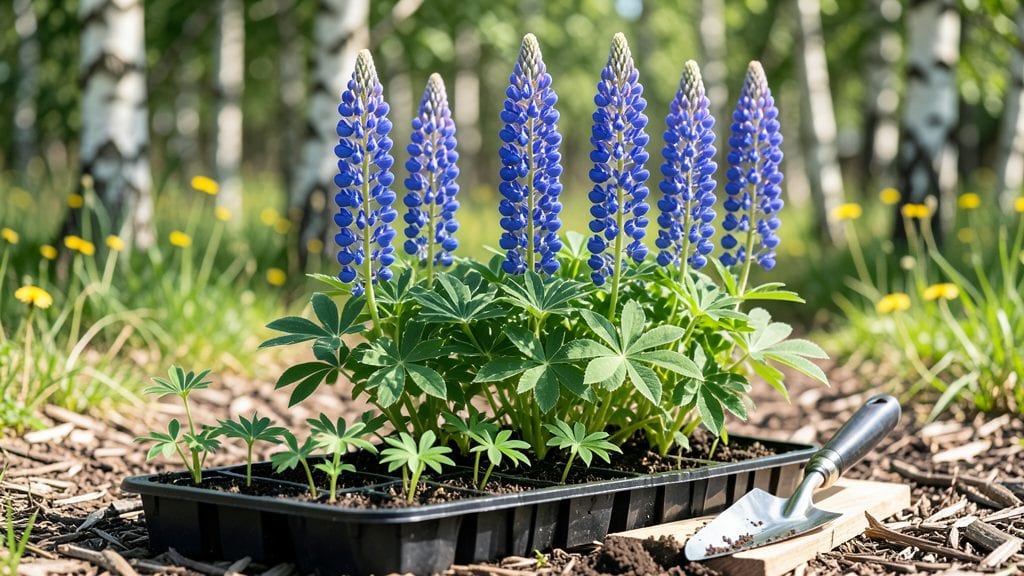
Mastering the Colorado planting schedule means timing your garden just right to beat the state’s wild swings from frost to drought.
Colorado’s unique climate—from alpine frost to scorching summers—means your planting schedule must adapt to elevation, microclimates, and hardiness zones (4-7). Get it wrong, and your garden could struggle; get it right, and you’ll harvest lush vegetables, vibrant flowers, and thriving herbs all season long.
Whether you’re a first-time gardener or a seasoned pro, knowing when to plant 🌱—from cool-season crops in spring to heat-tolerant veggies in fall—is the key to a bountiful harvest. Below, I break down the exact months, frost dates, and elevation tweaks you need to succeed.
You’ll discover the best crops for your zone, how to adjust for late frosts or drought, and even a few pro tips to stretch your growing season. Let’s get started!
Colorado planting schedule by month: what to plant when for each Zone
Colorado’s gardening seasons vary dramatically by elevation and microclimate. While Denver’s Front Range (Zone 5-6) enjoys 120-150 frost-free days, the Western Slope (Zone 6-7) stretches to 180 days, and the San Luis Valley (Zone 4) faces shorter seasons.
Timing your spring and fall plantings around last frost dates (April 15 in Denver, May 1 in high valleys) is critical to avoid frost damage.
For high-altitude gardens (above 7,000 ft), start cool-season crops like spinach and peas in early April, while lowland areas (Zone 7-8) can wait until mid-May for tomatoes and peppers.
Fall planting in August-September works for kale, carrots, and broccoli, but first frost risks (October 15 in Denver) demand quick harvests.
Here’s your month-by-month breakdown, tailored to Colorado’s three key regions—Front Range, Western Slope, and San Luis Valley—with elevation-specific adjustments for optimal yields.
🌱 PRO TIP: Use row covers or cold frames to extend spring planting by 2-4 weeks in Zone 4-5 areas. For Zone 7-8, prioritize heat-tolerant varieties like ‘Heatmaster’ tomatoes or ‘Black Seeded Simpson’ lettuce.
| Month | Front Range (Zone 5-6) | Western Slope (Zone 6-7) | San Luis Valley (Zone 4) |
|---|---|---|---|
| March | Start onions, peas, spinach (indoors) | Direct sow lettuce, radishes, carrots | Cold-hardy garlic, potatoes (plant now) |
| April | Transplant broccoli, cabbage; sow beets, kale | Plant peppers, eggplant (start indoors); direct sow green beans | Sow turnips, cabbage (under cover) |
| May | Plant tomatoes, corn, squash (after last frost) | Direct sow cucumbers, zucchini; transplant tomatoes | Sow radishes, lettuce (late May) |
| June | Sow succession crops (lettuce, radishes); mulch strawberries | Plant fall broccoli, cauliflower (for late harvest) | Harvest early potatoes; sow beets (shade cloth) |
| July | Harvest summer squash, peppers; start fall crops indoors | Direct sow spinach, kale (shade cloth) | Plant garlic for next year; harvest early carrots |
| August | Transplant fall broccoli, cabbage; sow turnips | Direct sow radishes, lettuce (cool nights) | Sow hardy greens (under row covers) |
| September | Harvest late
Top 5 fast-growing Colorado crops for beginners (with exact planting timing)If you're new to gardening in Colorado, you’ll love these five fast-growing crops that thrive in our climate. They’re low-maintenance, high-yield, and perfect for beginners. Whether you're in Denver’s Zone 5 or Grand Junction’s Zone 7, these crops will reward you with quick harvests and minimal fuss. Let’s dive into the best planting times and care tips to set you up for success. Colorado’s short growing season and variable weather can be tricky, but these crops are resilient. They’ll help you build confidence and taste homegrown success without the stress. From radishes popping up in weeks to zucchini vines overflowing with fruit, these plants are designed to grow fast and produce abundantly—even in our high-altitude conditions. Here’s your colorado planting schedule for these top crops, including exact planting dates, spacing guidelines, and harvest expectations to maximize your garden’s potential.
For zucchini, timing is critical—plant too early, and a late frost will kill tender seedlings. Aim for May 1–15 in most of Colorado, but adjust for higher elevations (like Boulder) by waiting until late May. These plants are heavy producers, so give them plenty of space and well-draining soil. If you’re in Zone 7, you might even squeeze in a fall planting around August 1 for a late harvest. Radishes are the fastest crop on this list, popping up in just 25–30 days. They’re perfect for cool-season gardening and can handle light frosts, making them ideal for early spring or late fall. For a continuous harvest, plant every 2–3 weeks from March 20–April 30. Thin seedlings to 1–2 inches apart to prevent disease and ensure crisp, tender radishes. Green beans thrive in warm soil and full sun, so wait until after the last frost (usually May 1) to plant. They’re drought-tolerant once established, but water deeply during flowering and pod formation. Use trellises or stakes to save space and improve air circulation, reducing the risk of fungal diseases common in Colorado’s humid summers. Lettuce and spinach are cool-weather crops that bolt (go to seed) quickly in heat. Plant lettuce in early spring or late summer for the best results. Use shade cloth in summer to protect tender leaves, and harvest outer leaves first to encourage continuous growth. For spinach, choose bolt-resistant varieties like ‘Bloomsdale Long Standing’ to extend your harvest window in Colorado’s unpredictable climate. With these five fast-growing crops, you’ll have a bountiful harvest in no time—even as a beginner. Stick to the planting schedule, keep soil moist, and enjoy the satisfaction of homegrown vegetables all season long! 🌱 |