
Aphids
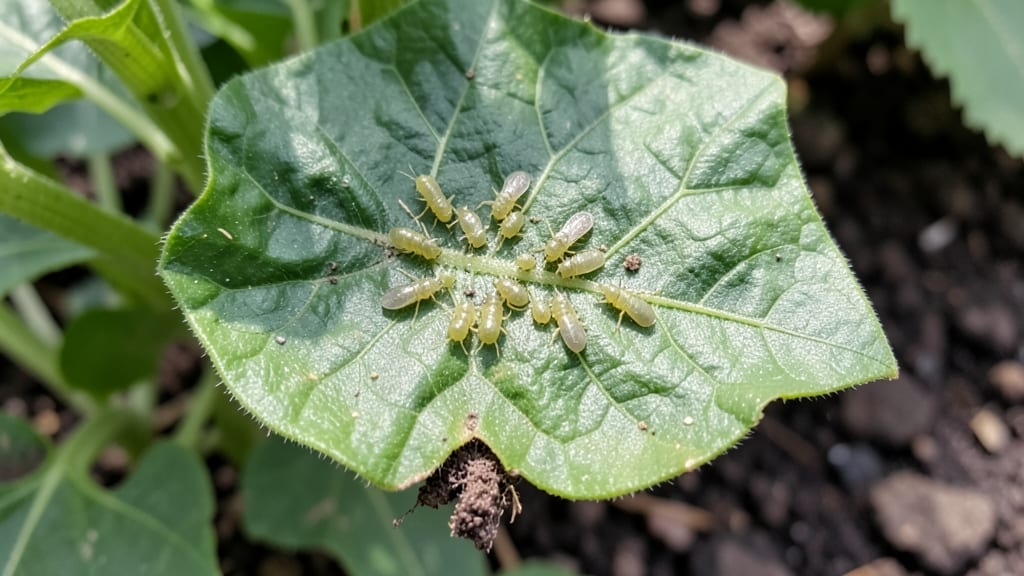
Your jalapeno plants are under attack by aphids, and those tiny green invaders can turn your harvest into a sticky, curled mess if you don’t act fast. ✨ I’ve battled these pests on my own plants, and the key is acting quickly with methods that won’t harm your peppers—or your conscience.
The good news? You can clear them out in just three simple steps without harsh chemicals.
First, you’ll learn to spot the signs—sticky residue on leaves, curled growth, or colonies of aphids clustered on new shoots. Then we’ll tackle them with humane solutions like soapy water sprays or neem oil, which smothers them without poisoning your plants.
No more reaching for toxic sprays when nature’s tools work just as well.
By the end, your jalapenos will bounce back stronger, and you’ll have a foolproof system to keep aphids away for good. The best part? These methods work on other edible plants too, so you’ll be protecting your entire garden without breaking a sweat.
Whether you’re growing in pots or a full garden bed, this approach adapts to any setup. Let’s get those peppers thriving again—naturally.
The Real Culprits Behind Aphids
Aphids on your jalapeño plants aren’t just random pests—they’re drawn by specific conditions that make your garden a five-star buffet. Understanding these triggers helps you nip the problem in the bud (literally).
Below, we break down the science-backed reasons why these tiny sap-suckers invade your peppers—and how you can disrupt their party.
Aphids thrive where plants are weak, and jalapeños are no exception. When your peppers are stressed—whether from poor spacing, nutrient deficiencies, or overwatering—they release volatile organic compounds (VOCs) that signal distress.
These chemical cues act like a dinner bell for aphids, which are drawn to plants emitting signals of vulnerability.
- Why it happens: - Root competition: Overcrowded plants compete for water and nutrients, weakening their immune response. Aphids target these compromised plants first. - Nutrient imbalances: A lack of phosphorus or potassium (common in poor soil) makes plants more susceptible.
Aphids prefer plants with high nitrogen (lush growth = more sap = more food). - Water stress: Both overwatering (root rot) and drought (osmotic stress) trigger aphid attraction. Wet foliage also makes plants stickier, making it easier for aphids to colonize.
Actionable fix: Test your soil’s pH and nutrient levels (ideal range: 6.0–7.0 pH). Space jalapeño plants 18–24 inches apart to improve airflow and reduce stress. Use balanced fertilizer (e.g., 10-10-10) to avoid nitrogen-heavy growth.
Aphids are sap-sucking opportunists, and jalapeños produce deliciously sweet, nutrient-rich sap—especially in new growth. The younger the leaf or stem, the more appealing it is to these pests. Even healthy plants can’t resist the temptation when aphids detect high sugar content in their phloem (the plant’s "vein" system).
- Why it happens: - Phloem sap composition: New growth has higher sugar and amino acid levels, making it a high-calorie meal for aphids.
Studies show aphids prefer plants with soluble sugars >10%. - Hormonal signals: Plants produce jasmonic acid when damaged, which can temporarily repel pests—but aphids exploit this by feeding on undamaged, tender tips first. - Seasonal triggers: Warm spring/summer temps (60–85°F) accelerate plant growth, creating a buffet of fresh shoots for aphids to exploit.
Actionable fix: Prune new growth aggressively (but not so much that you stunt the plant). Use reflective mulch (e.g., aluminum foil) around the base—aphids are repelled by UV light reflection, which mimics overcrowding signals they avoid.
Aphids multiply exponentially (a single female can produce 80 offspring in a week)—but in a healthy ecosystem, they’re kept in check by predatory insects. If your garden lacks these allies, aphids take over like an unchecked popcorn party.
- Why it happens:
- Pesticide use: Broad-spectrum chemicals (neonicotinoids, pyrethroids) kill beneficial insects first, including:
- Ladybugs (eat 5,000 aphids in a lifetime!)
- Lacewings (larvae devour aphids like spaghetti)
- Parasitic wasps (lay eggs inside aphids)
- Monoculture gardening: Planting only jalapeños (or other peppers) limits biodiversity, reducing the habitat for predator insects.
- Urban/suburban gardens: Fewer wildflowers = fewer pollinators and predators to balance the ecosystem.
- Pesticide use: Broad-spectrum chemicals (neonicotinoids, pyrethroids) kill beneficial insects first, including:
Actionable fix: Plant companion flowers nearby (e.g., marigolds, dill, fennel) to attract predators. Avoid chemical sprays—opt for neem oil (aphids hate it) or soapy water sprays (safe for predators if applied at dusk).
Aphids aren’t just picky—they’re weather-dependent. Certain conditions create the perfect storm (literally) for infestations, especially on jalapeños, which thrive in warm, humid climates.
- Why it happens: - High humidity (70–90%): - Aphids desiccate quickly in dry air, but humidity keeps them hydrated and helps them reproduce faster. - Fungal diseases (like powdery mildew) often tag along, weakening plants further. - Mild winters: - Aphids overwinter as eggs on plant debris or nearby weeds.
If winters are too cold, they die—but mild winters let them survive and reinfest in spring. - Sudden temperature shifts: - Aphids prefer 60–80°F but can’t handle extreme heat (>90°F). However, cool nights + warm days create ideal feeding conditions.
Actionable fix: Improve air circulation with pruning and spacing. Use shade cloth in peak summer to prevent heat stress. Remove garden debris in fall to eliminate overwintering sites.
Aphids are polyphagous (they eat everything), and jalapeños are just one of many plants they’ll colonize. If weeds or nearby crops are infested, your peppers become a secondary target—like a fast-food drive-thru after the buffet closes.
- Why it happens: - Weeds as nurseries: - Plants like dandelions, clover, and plantain host aphids year-round.
When these weeds are near your garden, aphids migrate to your jalapeños once the weeds are spent. - Crop rotation failures: - If you’ve grown other solanaceous plants (tomatoes, eggplants, potatoes) nearby, aphids may have learned your garden is a reliable food source. - Wind and insects: - Aphids hitchhike on ants, wind, or even birds to new plants.
Ants, in particular, farm aphids for their honeydew (aphid poop), protecting them from predators.
Actionable fix: Pull weeds aggressively (especially in the 10-foot radius around your jalapeños). Disrupt ant trails with diatomaceous earth or borax solutions (ants protect aphids!). Rotate crops to avoid aphid memory of your garden.
Too much of a good thing can backfire. While jalapeños need nutrients, excessive fertilizer—especially nitrogen—turns them into aphid magnets.
- Why it happens: - Nitrogen = aphid candy: - High nitrogen (>3% in soil) makes plants soft, leafy, and sap-rich, which aphids love.
Think of it like feeding a sugar rush to a marathon runner. - Burned roots: - Over-fertilizing can damage roots, stressing the plant and triggering those distress signals we mentioned earlier. - Salt buildup: - Synthetic fertilizers leave salt residues in the soil, which osmotically stress plants, making them more vulnerable.
Actionable fix: Switch to organic, slow-release fertilizers (e.g., compost, worm castings, or fish emulsion). Flush soil annually with water to reduce salt buildup. Side-dress with compost instead of granular fertilizers.
Quick Fixes for Tiny Plant Invaders
Aphids may be small, but their impact on your jalapeño plants can be big—sticky residue, curled leaves, and stunted growth. The good news? You don’t need harsh chemicals to tackle them.
Below are targeted, humane solutions based on the root cause of your aphid problem, plus prevention tips to keep your peppers thriving.
Aphids love weak plants because they’re easier to feed on. If your jalapeños are struggling due to poor spacing, nutrient deficiencies, or overwatering, start by giving them a fighting chance.
💧 Fix Root Issues with Proper Care
- 🌿 Prune for airflow: Trim crowded branches to improve circulation.
Aphids thrive in damp, shaded spots, so open up the plant like a breath of fresh air. - 🍃 Feed them right: Use a balanced, organic fertilizer (like fish emulsion or compost tea) to strengthen stems and leaves.
Weak plants attract more pests. - 💧 Water at the base: Avoid wetting leaves, which can encourage fungal diseases and aphid-friendly mold. Water early in the day so foliage dries quickly.
💡 Prevention Tip
Plant marigolds, basil, or nasturtiums nearby—these act as natural aphid repellents and attract beneficial insects like ladybugs.
If aphids are clustered on tender new growth, a gentle but effective approach is to remove them by hand or with a strong spray.
👨🍳 Step-by-Step Removal
- 🔥 Morning is best: Aphids are sluggish in cool weather, making them easier to dislodge.
- 🚰 Blast them off: Use a strong stream of water from a hose (not too harsh—you don’t want to damage stems).
Repeat every 2–3 days until gone. 3. 🧼 Soap it up: Mix 1 tsp mild castile soap or neem oil with 1 quart of water. Spray directly on aphids (test on a small leaf first). Reapply every 5–7 days.
✨ Pro Tip
Shake plants gently over a bucket of soapy water to trap fallen aphids. This works great for small infestations.
If aphids keep coming back, your plant might be a buffet for them. Introduce natural predators to restore balance.
🐞 Beneficial Insects to Attract
| Predator | How to Attract | When to Release |
|---|---|---|
| Ladybugs | Plant dill, fennel, or yarrow nearby. | Release in early morning. |
| Lacewings | Use lacewing eggs or adults (available online). | Avoid direct sunlight. |
| Parasitic Wasps | Purchase from garden centers (they lay eggs in aphids). | Release at dusk. |
💡 Prevention Tip
Avoid broad-spectrum pesticides—they kill both aphids and their natural enemies. Stick to targeted sprays or horticultural oil for stubborn cases.
Aphids multiply faster in warm, humid conditions. Take these steps to break their cycle before they return.
🔥 Heat & Dryness = Aphid No-Go Zone
- 🌞 Increase sunlight: Aphids prefer shaded areas.
Place jalapeños in full sun (6+ hours/day) to discourage them. - 🌬️ Improve airflow: Use a small fan on low setting near plants to keep them dry. - 🍂 Clean up debris: Remove fallen leaves and plant waste where aphids hide over winter.
🎯 Long-Term Defense
- 🌱 Rotate crops: Avoid planting peppers (or other nightshades) in the same spot yearly.
- 🌿 Companion plant: Basil and garlic repel aphids while enhancing jalapeño flavor.
If aphids persist after 2–3 weeks of treatment, consider:
- 🛡️ Neem oil spray (repeat every 7 days).
- 🧪 Pyrethrin-based insecticide (last resort—only for severe cases, and avoid during flowering).
Remember: Patience and consistency are key. With these humane, chemical-free methods, your jalapeño plants will bounce back stronger—and aphids will think twice about crashing your garden party again! 🌶️💪
Frequently asked questions
Why are my jalapeño plants suddenly covered in tiny green bugs?
Aphids target stressed plants, especially when they detect high sugar content in new growth. Overwatering, poor airflow, or excessive nitrogen fertilizer can make your peppers extra appealing. Check for curled leaves or sticky residue (aphid "honeydew")—these are classic signs.
Can I use store-bought insecticide on my jalapeños?
Only as a last resort! Many chemical sprays harm beneficial insects and can leave residues on edible peppers. Instead, try neem oil or soapy water first—both are safe when used correctly. If you must use insecticide, choose pyrethrin-based options and avoid spraying during flowering.
How do I know if my aphid problem is severe enough for professional help?
If you've tried organic methods for 3+ weeks with no improvement, or if you see aphids on multiple plant species in your garden, it may be time to consult a local extension service. Severe infestations often require systemic solutions that won't harm your harvest.
Will aphids ruin my jalapeño harvest?
Not necessarily! Early intervention prevents major damage. While aphids can stunt growth and spread viruses, they rarely make peppers inedible. Focus on removing them from new growth areas—this protects your plant's energy for fruit production. The key is acting before they colonize the flowering stems.
Can I save aphid-damaged jalapeños?
Yes, but with caution. Wash peppers thoroughly before eating to remove any sticky residue. If leaves were heavily infested, discard them—aphids can transmit plant diseases. The fruit itself is usually safe, but monitor for any unusual soft spots or discoloration that might indicate deeper issues.