
Watering
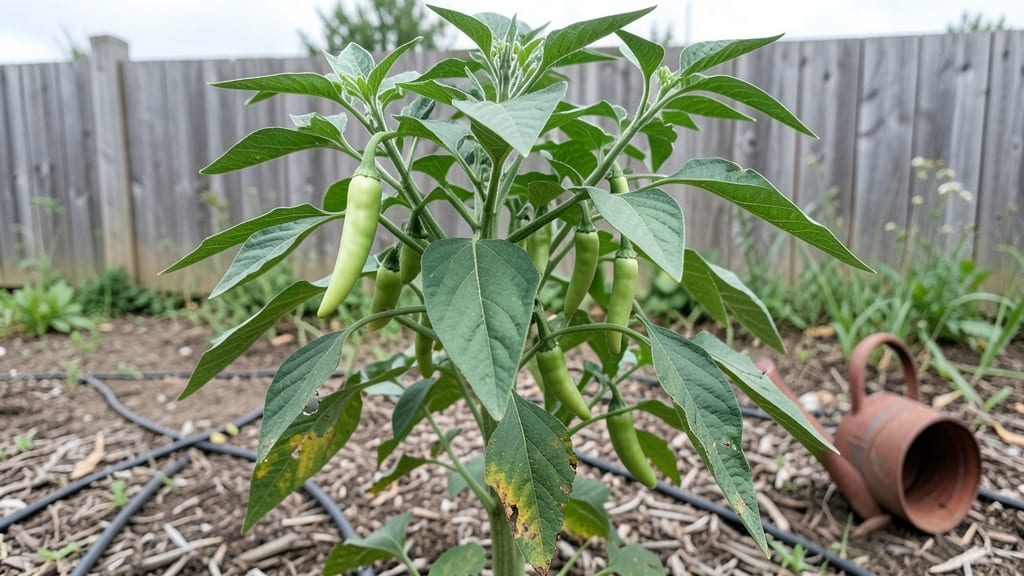
Mastering how to water jalapeno plants transforms a handful of seeds into a thriving harvest of fiery peppers. 🌱 I’ve learned the hard way that these plants demand consistency—too much water and they rot, too little and they bolt before fruiting.
The key lies in understanding their needs at each growth stage, from seedlings to heavy fruit production.
Your watering routine should adapt to soil type and climate. Sandy soil drains fast, requiring frequent light watering, while clay holds moisture longer and needs deeper, less frequent sessions.
In hot summers, check soil moisture daily—stick your finger an inch down; if it’s dry, water thoroughly until it runs out the bottom. Mulch helps retain moisture and keeps roots cool.
You’ll know you’ve got it right when plants stay upright with glossy green leaves and no yellowing. Overwatered plants wilt despite wet soil, while underwatered ones develop crispy edges and stunted growth.
Jalapenos need about 1-1.5 inches of water per week, but adjust based on weather—drought means more, while rain means less.
As plants mature and fruit sets in, increase water slightly to support heavy peppers without cracking. Early morning watering prevents fungal issues, and drip irrigation delivers water directly to roots where it’s needed most.
With these adjustments, you’ll go from struggling seedlings to a garden bursting with bold, spicy harvests.
📚 In This Guide
- What you need
- Instructions
- Tips and common mistakes
- Wrapping up and next steps
What you need
- ● Jalapeño seeds or seedlings: 3–5 plants (choose disease-resistant varieties like Early Jalapeño or Big Jim for best results).
- ● Well-draining potting mix: 5–10 gallons (look for a blend with 50% compost and 30% perlite/sand for aeration).
- ● Containers (if not planting in ground): 5-gallon fabric pots or plastic containers (minimum 12-inch diameter per plant).
- ● Drainage holes: Mandatory to prevent root rot!
- ● Watering can or hose with adjustable nozzle: A gentle spray setting works best for seedlings.
- ● Balanced fertilizer (10-10-10 or 5-5-5): 1–2 tbsp per plant at planting, then every 4–6 weeks.
- ○ Mulch (optional but recommended): Straw or shredded leaves to retain moisture and suppress weeds.
- ● Sunlight: 6–8 hours of direct sun daily (jalapeños are sun-hungry!).
- ● Temperature: Ideal range: 70–85°F (21–29°C) (they’re frost-sensitive!).
- ● Water source: Access to chlorine-free water (rainwater or filtered tap water is best).
- ● pH test kit: Keep soil pH between 6.0–7.0 (jalapeños thrive in slightly acidic to neutral soil).
- ● Support stakes or cages: 3–4 ft tall (peppers get heavy with fruit!).
- ○ Pruning shears: For trimming leggy growth (optional but helps direct energy to peppers).
Step-by-Step guide to watering jalapeno plants for maximum yield
Here’s the foolproof method I’ve used to grow thick-walled, disease-resistant jalapenos—no guesswork, just consistent results.
💧 Step 1: Water Deeply at Planting to Establish Roots
When you transplant your jalapeno seedlings, give them a thorough soaking—about 1 gallon per plant—to settle the soil and encourage roots to spread. You’ll see the soil sink slightly as it absorbs moisture. This initial deep watering prevents transplant shock and gets roots growing downward instead of circling at the surface.
Use a soaker hose or drip irrigation to deliver water slowly at the base. Avoid overhead watering at this stage—it can dislodge fresh soil and wash away nutrients. Let the water run until you see it trickling from the drainage holes at the bottom of the pot or garden bed.
🌱 Step 2: Maintain Consistent Moisture During Vegetative Growth
Once your jalapenos start showing true leaves (not just the first seed leaves), switch to a weekly watering schedule—about 1-1.5 gallons per plant—depending on your climate. The key is keeping the soil evenly moist but never soggy. Stick your finger 1-2 inches into the soil; if it feels dry, it’s time to water.
Morning is the best time to water—this gives leaves time to dry before evening, reducing the risk of fungal diseases like powdery mildew. If your jalapenos start dropping flowers or fruit, they’re thirsty. A quick check of the soil will confirm: dryness at this stage means you’ve been underwatering.
☀️ Step 3: Increase Water During Flowering and Fruiting
When your jalapenos begin flowering and setting fruit, bump up the water to 2 gallons per plant weekly. This is when they need the most moisture to support heavy fruit production. Look for wilting leaves in the afternoon as your signal—this means the roots aren’t getting enough water to keep up with the plant’s demand.
Mulch around the base with 2-3 inches of organic mulch (like straw or shredded leaves) to lock in moisture and keep roots cool. This reduces evaporation and means you’ll water 20-30% less overall. Avoid letting mulch touch the stems—it can trap moisture and cause rot.
⏰ Step 4: Adjust for Heat Waves and Rainy Seasons
In hot, dry weather, you may need to water every 2-3 days instead of weekly. Check the soil surface—if it’s bone-dry and cracking, your plants are begging for water. In contrast, during heavy rain, cut back to every 10-14 days unless the soil drains poorly (then reduce further to prevent root rot).
Jalapenos are drought-tolerant but not drought-proof. If you see blossom-end rot (black, sunken spots on fruit), it’s a sign of inconsistent moisture. A calcium-rich fertilizer and steady watering will prevent this common issue. Always water at the base, never on the leaves, to avoid spreading disease.
🌿 Step 5: Taper Off Before Harvest to Concentrate Flavor
About 2 weeks before harvesting, reduce watering slightly to 1 gallon per plant weekly. This stress encourages the plant to focus energy on ripening existing fruit rather than producing new growth. You’ll notice the peppers firm up and turn deeper red as they mature—this is your cue that the flavor is intensifying.
Harvest jalapenos when they’re 3-5 inches long and glossy, twisting gently to avoid damaging the plant. If left on the vine too long, they’ll turn bitter. Store them in a cool, dark place for up to 2 weeks, or freeze them whole for later use.
Tips & tricks for perfect jalapeno plant watering
These simple strategies will help you avoid common pitfalls and maximize your jalapeno harvest—no guesswork required!
Soil Test First: Before planting, check your soil's drainage by digging a hole and filling it with water. If it drains within 30 minutes, you're good to go. If water pools after an hour, amend with compost or sand to improve drainage. Jalapenos hate soggy roots! Proper drainage prevents root rot and ensures those 1 gallon deep waterings in Step 1 actually reach the roots.
Morning Watering Secret: The morning watering schedule in Step 2 isn't just about timing—it's about giving leaves time to dry completely. Wet leaves at night create perfect conditions for fungal diseases. I've seen powdery mildew appear within days when people water in the evening, so stick to mornings. If you must water later, aim for early afternoon when leaves have time to dry.
Mulch Application Tip: When you add that 2-3 inches of organic mulch in Step 3, create a small gap (about 2 inches) between the mulch and plant stems. This prevents rot while still locking in moisture. I've learned this the hard way—mulch touching stems can cause stem rot, which kills plants faster than underwatering. Also, refresh mulch every few weeks as it breaks down and loses effectiveness.
Heat Wave Rescue: During those hot, dry spells when you might need to water every 2-3 days, try adding a layer of clear plastic mulch over your organic mulch. This traps heat near the soil while retaining moisture—effectively cutting your water needs by 30%. Just remove it after a week to avoid overheating. For containers, use self-watering pots with built-in reservoirs to maintain consistent moisture without constant attention.
Pro Tips for Water Jalapeno Plants
- These simple strategies will help you avoid common pitfalls and maximize your jalapeno harvest—no guesswork required!
- Soil Test First: Before planting, check your soil's drainage by digging a hole and filling it with water.
- Morning Watering Secret: The morning watering schedule in Step 2 isn't just about timing—it's about giving leaves time to dry completely.
Frequently asked questions
Got questions about keeping your jalapeño plants thriving with the perfect watering routine?
You’re not alone! Here are answers to the most common concerns—so you can grow bold, fiery peppers without the guesswork.
How often should I water jalapeño plants?
Water jalapeños deeply 1–2 times per week, depending on climate. Aim for 1–1.5 inches of water per week—more in hot/dry weather, less in cool or humid conditions. Check soil moisture first: Stick your finger 1–2 inches down; if dry, it’s time to water. Overwatering is worse than underwatering!
Can I use tap water for my jalapeño plants?
Tap water is usually fine, but chlorine or fluoride can stress plants. If your water is heavily treated, let it sit out for 24 hours before using or invest in a dechlorinator. Rainwater or filtered water is ideal for sensitive peppers. Pro tip: Avoid watering leaves to prevent fungal diseases like powdery mildew.
How long does it take for jalapeños to mature after watering properly?
With consistent watering, jalapeños typically 60–90 days from transplanting to harvest. Key factors: Warmth (70–85°F), sunlight (6+ hours/day), and steady moisture (never soggy soil). Yellowing leaves? Could signal over/under-watering or nutrient issues—adjust and monitor!
What’s the best alternative if I can’t water my jalapeños daily?
Set up a drip irrigation system or self-watering pots for hands-off hydration. Mulch (straw or wood chips) retains moisture and reduces evaporation. For short trips, bury a plastic bottle (nose down) near the plant—it’ll slowly release water. Group plants to create microclimates that conserve moisture!
Why are my jalapeño leaves turning yellow or wilting?
Yellow leaves often mean overwatering (root rot) or underwatering (stress). Check soil:
Soggy soil? Reduce watering and improve drainage.
Bone-dry soil? Water deeply and mulch.
Crispy edges? Could be underwatering or salt buildup from tap water.
Wilted plants? Water early in the day to prevent fungal issues. If problems persist, repot with fresh, well-draining soil.
Wrapping up and next steps
Growing thriving jalapeño plants comes down to consistency and care—especially when it comes to watering! 🌱 By mastering the right techniques, like deep watering, monitoring soil moisture, and adjusting for climate, you’ll set your peppers up for success.
Remember, healthy plants mean bold, flavorful harvests—so don’t hesitate to experiment and find what works best for your garden.
Ready to take the next step? Start a watering journal to track your plant’s progress and refine your approach. Happy growing—your future jalapeños are waiting! 🌶️