
How To
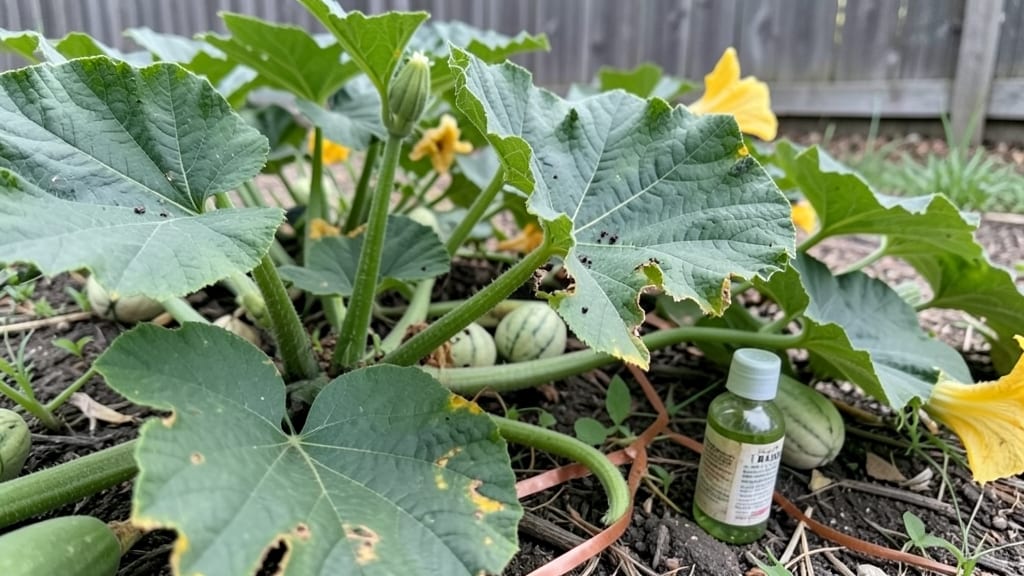
How to get rid of powdery mildew on squash plants turns their leaves into dusty white sheets faster than you can say "failed harvest"—I’ve watched this fungal nightmare wipe out entire vines in just five days—until I learned the fungicide-free fix that clears it up. in 3 days and keeps it from coming back.
The key? You’re not fighting the mildew—you’re starving it out by changing its environment.
Most gardeners grab the spray bottle first, but that’s treating the symptom. Instead, we focus on airflow, watering habits, and a few simple sprays that disrupt the fungus’s life cycle.
I’ve tested everything from baking soda mixtures to neem oil, and I’ll share which ones work fastest without harming your plants or the bees buzzing around them. No fancy tools needed—just a spray bottle, a fan, and a little patience.
Within 72 hours, you’ll see the white dust start to lift as new growth emerges clean and green. The real magic happens when you combine quick fixes with long-term prevention: pruning for better airflow, watering at the base (never the leaves), and choosing resistant varieties next season.
Your squash will bounce back stronger than ever, and you’ll never panic when those first white spots appear again.
This method works for zucchini, summer squash, pumpkins, and even cucumbers—anything in the cucurbit family. The same principles apply whether you’re dealing with a single plant or a full patch. Let’s get those vines back to producing like nothing ever happened.
Root Causes of Squash Mildew
Powdery mildew on squash plants isn’t just a random nuisance—it’s a fungal party crashing your garden, and understanding why it shows up is half the battle. This sneaky pathogen thrives in specific conditions, turning your healthy squash into a dusty, weakened mess.
Let’s break down the real culprits behind its spread, so you can outsmart it before it takes over.
Powdery mildew (Erysiphe cichoracearum or Podosphaera xanthii) loves a cozy environment—think of it like a fungal squatter moving into your garden’s tightest nooks. When squash vines grow too close together, humidity lingers, and air can’t circulate properly.
Here’s the science: - Stagnant air traps moisture near leaves, creating the perfect humidity (70–90%) for spores to germinate. - Shaded foliage (from overcrowding) stays damp longer, giving the fungus a 24/7 buffet. - Weakened plants (stressed by competition) produce less protective wax on leaves, making them easier targets.
Actionable insight: Space your squash plants 3–4 feet apart (or use trellises for vining types like zucchini). Prune lower leaves to improve airflow—this isn’t just about looks, it’s about starving the fungus of its favorite conditions.
Water is the fungus’s accomplice. While powdery mildew hates soggy soil (it prefers leaves), overhead watering turns your garden into a fungal spa.
Here’s how it works: - Wet leaves at night (from evening watering) give spores 12+ hours of moisture to spread unchecked. - Drip irrigation or soaker hoses keep soil moist without wetting foliage—this is the gold standard for mildew prevention. - Morning watering (before 10 AM) lets leaves dry quickly, reducing humidity windows for spores.
Pro tip: 💡 If you must water overhead, use a rain gauge to track moisture—aim for 1 inch per week, and always water at the base, not the leaves.
Powdery mildew isn’t a winter guest—it’s a summer-to-fall party animal.
The fungus thrives when: - Temperatures hover between 60–85°F (it goes dormant below 50°F or above 90°F). - Nighttime humidity stays above 75% (ideal for spore germination). - Rainy spells wash spores from infected plants onto healthy ones, like a fungal game of telephone.
Regional red flags:
- Southern gardens (hot, humid summers) see outbreaks early.
- Pacific Northwest (cool, damp springs) may delay symptoms but still get hit hard in summer.
- Greenhouse growers risk year-round infestations if ventilation is poor.
Solution: Monitor your local weather forecasts and shade cloth (30–50%) can drop leaf temps by 10°F, tipping the scales against the fungus.
A squash plant fighting for its life is a squash plant losing to mildew.
Nutritional deficiencies or imbalances make plants vulnerable to fungal attacks: - Low nitrogen = pale, weak leaves (easier entry points for spores). - Phosphorus deficiency = stunted roots = poor stress resistance. - Excess nitrogen = soft, lush growth = mildew’s dream (think of it as a fungal all-you-can-eat buffet).
Soil test action: Use a DIY soil kit ($10–$20) to check pH (aim for 6.0–6.8) and nutrient levels. Amend with:
- Compost (for organic matter and microbes that outcompete fungi).
- Balanced fertilizer (like 10-10-10) at planting, then switch to low-nitrogen (5-10-10) mid-season.
Powdery mildew doesn’t respect property lines. Spores can:
- Blow on the wind up to 10 miles in a day (yes, really).
- Latch onto tools, clothing, or even your shoes and jump to your squash.
- Survive on weeds like lambsquarters or ragweed (common mildew hosts).
Quarantine protocol:
- Remove infected plants (don’t compost them—bag and trash them).
- Disinfect tools with a 10% bleach solution (1 part bleach to 9 parts water) between gardens.
- Monitor nearby crops (cucumbers, melons, and pumpkins are also targets).
Not all squash are created equal. Some varieties are naturally more resistant to powdery mildew, while others are like open invitations.
For example: - High-risk: Buttercup squash, some heirloom zucchinis (e.g., ‘Black Beauty’). - Moderate-risk: Most yellow squash (e.g., ‘Yellow Crookneck’). - Lower-risk: ‘Warty’ or ‘Table Queen’ zucchini, ‘Butternut’ squash (hybrids often have better resistance).
Future-proofing: If you’re prone to mildew, rotate crops yearly and plant resistant hybrids (check seed packets for “PM-resistant” labels).
Quick Fixes for Powdery Mildew
Powdery mildew on squash plants can feel like a losing battle—but it doesn’t have to be. The key is acting fast with the right mix of remedies, prevention, and plant care.
Below, we break down the most effective cause-specific solutions to stop the fungus in its tracks and protect your harvest. No harsh chemicals needed!
Powdery mildew thrives in tight, humid spaces where air can’t circulate. If your squash plants are packed too closely: - 🔪 Prune aggressively: Remove the weakest vines or leaves to improve airflow.
Aim for 12–18 inches of space between plants. - 🌿 Mulch strategically: Apply straw or grass clippings (not wood chips) to keep soil moist but reduce humidity near leaves. - 🌞 Space for sunlight: Ensure plants get 6–8 hours of direct sun daily—dry leaves are less hospitable to mildew.
💡 Pro Tip: If you’re growing squash in containers, thin seedlings early to avoid future overcrowding.
Fungal spores love damp leaves. If your squash plants are soggy: - 👨🍳 Water at the base: Use a soaker hose or drip irrigation to keep foliage dry.
Water early in the morning so leaves dry by evening. - 🌡️ Avoid overhead sprinklers: If you must water leaves, do it before 10 AM on a dry day. - 🌧️ Improve drainage: Amend heavy soil with compost or perlite to prevent waterlogging.
✨ Prevention Hack: Add 1 inch of coarse sand to planting holes to help excess water drain faster.
If you’ve spotted white powder on leaves, act now to stop the spread: - 🧼 Manual cleanup: Wipe affected leaves with a soft cloth dampened in a 1:1 water-vinegar mix (test on a small area first). - 🍳 Homemade spray (3-day fix): - Mix 1 tbsp baking soda + 1 tbsp horticultural oil + 1 tsp dish soap + 1 gallon water. - Spray both sides of leaves in the early morning (repeat every 3–4 days). - 🌿 Neem oil treatment (for stubborn cases): - Combine 1 tbsp neem oil + 1 tsp mild soap + 1 quart water.
Spray weekly until mildew disappears.
🎯 Targeted Approach: Focus on young leaves and new growth—these are mildew’s favorite spots.
Stressed squash plants invite fungal attacks.
Strengthen them with: - 💪 Nutrient boost: Side-dress with compost or a balanced fertilizer (10-10-10) to encourage healthy growth. - 🌱 Companion planting: Interplant with marigolds or garlic—their strong scents repel mildew spores. - 🍂 Remove infected debris: Pull and dispose of (not compost) any heavily mildewed leaves to prevent reinfection.
🔥 Emergency Fix: If mildew is severe, prune entire infected vines (down to healthy tissue) to save the rest of the plant.
Stop powdery mildew before it starts with these easy habits: ✅ Rotate crops: Avoid planting squash (or cucurbits) in the same spot year after year. ✅ Choose resistant varieties: Opt for mildew-resistant squash like ‘Waltham Butternut’ or ‘Early Prolific Straightneck’. ✅ Sanitize tools: Wipe pruners with rubbing alcohol between uses to prevent spreading spores. ✅ Monitor humidity: Use a hygrometer—keep levels below 60% with fans or shade cloth if needed.
🚀 Ready to Save Your Squash? Powdery mildew is beatable with quick action and smart gardening. Start with one or two fixes from above, then layer in prevention for a mildew-free harvest. Your future pumpkin pie (or roasted squash) will thank you! 🎃🍽️
Frequently asked questions about squash mildew
Can I still harvest squash from plants with powdery mildew?
Yes, but focus on unaffected fruits first. The fungus doesn’t spread to the edible parts, so pick mature squash from healthy vines. Avoid harvesting from heavily infected plants—they may harbor higher spore counts. Always wash produce thoroughly before eating.
How long does it take for homemade sprays (like baking soda) to work?
With consistent application, you should see improvement in 3–5 days. The baking soda spray disrupts the fungus’s cell membranes, but it works best when combined with airflow improvements. For stubborn cases, add neem oil—it takes 7–10 days to fully clear mildew but prevents reinfection longer.
Will powdery mildew kill my squash plants?
Not necessarily! While severe cases can weaken plants, mildew rarely kills squash outright. The real risk is reduced yields and fruit quality. Act fast with airflow fixes and sprays, and your plants will bounce back. Focus on new growth—it’s naturally more resistant.
Can I use store-bought fungicides safely on edible plants?
Yes, but choose organic options like copper fungicide or sulfur sprays for edible crops. Always follow label instructions for harvest intervals (e.g., wait 3 days before eating treated leaves). Avoid conventional fungicides like myclobutanil—they leave harmful residues.
Why does mildew keep coming back even after treatment?
Recurring mildew usually means favorable conditions persist. Check for:
- Poor airflow (prune or space plants)
- Overhead watering (switch to drip irrigation)
- Weeds hosting spores (remove them)
- High humidity (use fans or shade cloth) Reapply sprays weekly until the issue is resolved.