
Trees
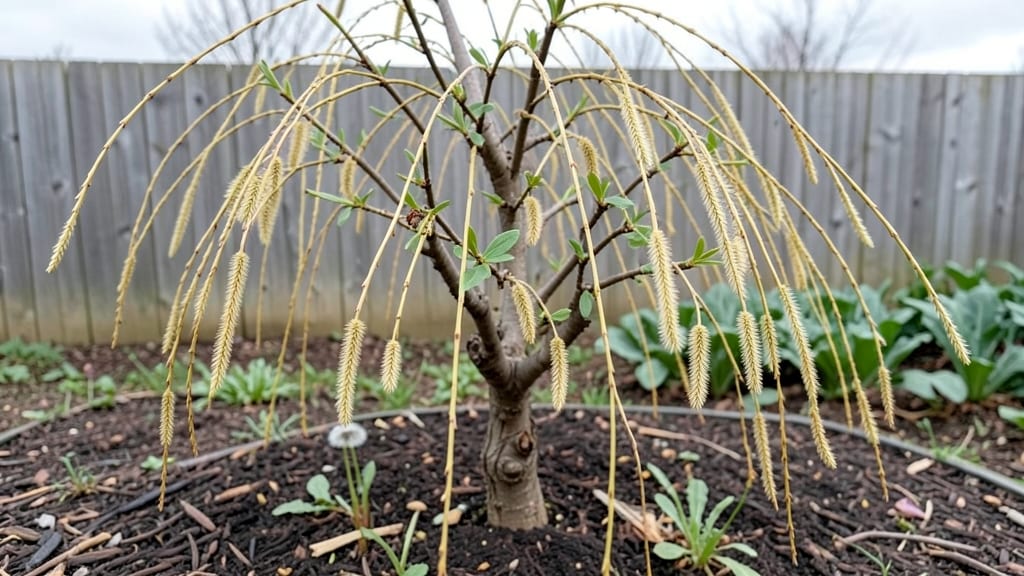
The weeping pussy willow plant turns bare winter edges into a cloud of soft, golden catkins that brighten up any landscape. 🌿 I planted mine along a shady fence line, and within a year, the drooping branches created this dreamy, almost fairy-tale effect that neighbors kept asking about.
The secret isn’t just its looks—it’s how easy it is to grow once you know the right spot and care routine.
This willow thrives in moist, well-draining soil and partial shade, making it perfect for rain gardens or areas where other plants struggle. You’ll want to plant it in early spring or fall, giving the roots time to establish before extreme temperatures.
The fluffy catkins appear in late winter, often before most gardens wake up, which is why gardeners in zones 4-8 can’t get enough of it.
With minimal pruning—just removing dead branches in early spring—you’ll get that signature weeping shape and those show-stopping catkins year after year. The branches are also great for forcing indoors in winter, so you can bring that fresh-cut look inside when the garden’s dormant.
It’s the kind of plant that makes gardening feel effortless while still delivering drama.
Works beautifully as a standalone specimen, in mixed borders, or even as a natural privacy screen. Just give it space to spread—these willows can reach 10-15 feet wide—so plan accordingly. Once established, it’s surprisingly low-maintenance, which is why it’s a favorite for both beginners and seasoned gardeners alike.
📚 In This Guide
- What you need
- Instructions
- Tips and common mistakes
- Wrapping up and next steps
What you need
- ● Weeping pussy willow plant (Salix caprea 'Pendula') – 1 nursery-grown sapling (3–5 ft tall, bare-root or potted). Pro tip: Look for healthy, flexible branches—those catkins should be plump and full!
- ○ Well-draining soil – Mix of loamy soil + compost (ratio: 70% soil, 30% compost). Optional: Add perlite or sand (1 part) for extra drainage.
- ● Shovel or trowel – For planting (medium-sized, 8–12" blade).
- ● Watering can or hose with a gentle spray nozzle – 1–2 gallons of water per plant initially.
- ○ Mulch (optional but recommended) – 2–3 inches of wood chips or straw to retain moisture and suppress weeds.
- ● Sunlight: Full sun to partial shade (6+ hours of sunlight daily). 💡 Avoid deep shade—it’ll stunt those catkins!
- ● Water source: Easy access to water for the first 2–3 weeks (willows love moisture!).
- ● Space: Plant at least 10–15 feet apart (they grow 10–15 ft wide with weeping branches).
- ● Climate: Hardy in USDA Zones 4–8. ❄️ Cold-hardy but avoid planting in waterlogged soil.
- ○ Garden stakes or trellis – To support young branches while they establish (optional for the first year).
- ● Slow-release fertilizer – Balanced 10-10-10 (1 tbsp per plant) in spring for a boost.
- ● Pruning shears – For shaping after 2–3 years (keep them lush and weeping!).
Step-by-Step instructions for planting and caring for weeping pussy willow
Here's how to plant and nurture these graceful trees for years of lush, cascading beauty.
🪴 Step 1: Choose the Right Location and Prepare the Soil
Weeping pussy willows thrive in full sun to partial shade, with at least 6 hours of direct sunlight daily. I always pick a spot near water features or garden edges where their graceful branches can cascade naturally. The soil should be moist but well-draining—these willows hate soggy roots but need consistent moisture to maintain their fluffy catkins.
Amend heavy clay soil with compost or peat moss to improve drainage. Dig a hole twice as wide as the root ball but only as deep—planting too deep suffocates the roots. Loosen the sides of the hole with a shovel to encourage root spread. Here's the thing—willows grow fast, so give them 15-20 feet of space between plants to prevent future crowding.
🌱 Step 2: Plant Bare-Root or Container-Grown Willow Trees
If planting bare-root willows, soak the roots in lukewarm water for 1-2 hours before handling. This revives dormant roots and helps them establish faster. For container-grown plants, gently remove the tree and loosen any circling roots that might strangle growth. Place the root ball in the hole so the top of the root flare sits just above soil level—burying too deep causes rot.
Backfill with native soil mixed with compost, tamping lightly as you go to remove air pockets. Water deeply to settle the soil and eliminate gaps. I always add a 2-3 inch layer of mulch around the base (but not touching the trunk) to retain moisture and suppress weeds. This keeps roots cool in summer and prevents soil from drying out too quickly.
💧 Step 3: Water Consistently and Monitor Moisture Levels
Weeping pussy willows need 1-2 inches of water weekly, more in hot, dry weather. Water deeply 2-3 times per week until the soil is 6-8 inches deep—surface watering encourages shallow roots. You'll know it's enough when water drains through the bottom of the hole. Overwatering is just as bad as underwatering, so let the top 2 inches of soil dry out between waterings.
Young trees need extra care. I check moisture by sticking my finger 2 inches into the soil—if it feels dry, it's time to water. Avoid wetting the foliage to prevent fungal diseases. In winter, reduce watering but keep the soil from drying completely, especially in containers where roots can't spread.
✂️ Step 4: Prune for Shape and Health in Late Winter
Prune weeping pussy willows just before new growth begins, usually in late February or early March. Remove dead, diseased, or crossing branches first—these compete with healthy growth. Thin out overcrowded branches to improve airflow and reduce pest risks. I never cut more than 25% of the canopy in one season, as this stresses the tree.
Shape the tree by shortening leggy branches to encourage bushier growth. Use clean, sharp pruners to make cuts just above a bud or branch collar. Seal larger cuts with pruning sealant only if the branch is over ½ inch thick. Here's what I do—after pruning, give the tree a light fertilizer to help it recover and support new growth.
☀️ Step 5: Fertilize and Protect for Long-Term Growth
Feed weeping pussy willows in early spring with a balanced, slow-release fertilizer (10-10-10). Spread granules 6 inches from the trunk and water deeply to activate them. Avoid high-nitrogen fertilizers—they promote leafy growth at the expense of those prized fluffy catkins. I also add compost annually in late fall to replenish nutrients naturally.
Watch for aphids or scale insects, which love willow trees. Spray with neem oil at the first sign of pests—it's organic and effective. In cold climates, wrap young trees in burlap during winter to protect them from drying winds. Mature willows handle cold well, but their flexible branches can snap under heavy snow or ice.
Tips & tricks for perfect weeping pussy willow planting
Here's what I've learned after years of growing these stunning trees—simple tricks that make all the difference for long-term success.
Soil Preparation Secret: In Step 1, if your soil is particularly heavy clay, mix in equal parts compost and peat moss to create that perfect moist-but-draining texture. I've found that adding a handful of perlite to the mix helps prevent compaction, which is especially important for young roots. The goal is to mimic the natural riverbank conditions these willows love—never let them sit in soggy soil!
Root Revival Technique: For bare-root willows in Step 2, don't just dip the roots—soak them in lukewarm water for the full 1-2 hours while you prepare the planting hole. This jumpstarts the roots' metabolism. I've seen dormant roots actually begin to sprout tiny root hairs during this soaking period, which gives them a huge head start. Pro tip: Use rainwater if possible—it's naturally soft and free of chlorine.
Watering Wisdom: When following Step 3's watering schedule, focus on deep, infrequent watering rather than frequent light watering. The 2-3 times per week guideline works best when you're actually saturating the soil to 6-8 inches deep. I use a long trowel to check moisture—if it's dry at that depth, it's time to water again. This encourages roots to grow deeper rather than staying shallow.
Pruning Precision: In late winter pruning (Step 4), pay special attention to the 25% canopy rule. I measure the total canopy spread first, then only remove branches that account for up to a quarter of that total. For shaping, cut just above a bud that faces outward—this encourages new growth in the direction you want. And here's what nobody tells you: After heavy pruning, give your willow a light fertilizer application to help it bounce back faster.
Pro Tips for Weeping Pussy Willow Plant
- Here's what I've learned after years of growing these stunning trees—simple tricks that make all the difference for long-term success.
- Soil Preparation Secret: In Step 1, if your soil is particularly heavy clay, mix in equal parts compost and peat moss to create that perfect moist-but-draining texture.
- Root Revival Technique: For bare-root willows in Step 2, don't just dip the roots—soak them in lukewarm water for the full 1-2 hours while you prepare the planting hole.
Frequently asked questions
Got questions about growing and caring for your weeping pussy willow? You’re not alone! Here are answers to the most common queries—from timing tips to troubleshooting tricks.
When do weeping pussy willows bloom?
Weeping pussy willows typically bloom in late winter to early spring (February–April, depending on your climate). The fuzzy catkins appear before leaves, creating a stunning contrast. In colder zones, they may bloom later—just be patient! If yours isn’t blooming, check if it’s fully dormant or needs a winter chill.
Why are my pussy willow branches drooping?
Drooping branches are often a sign of thirst or transplant shock. Water deeply if the soil is dry, and avoid overwatering (root rot is a risk!). If the droop persists, check for pests like aphids or fungal issues. Prune dead branches in early spring to encourage fresh growth.
Can I grow weeping pussy willows in containers?
Yes! They thrive in large containers (at least 15–20 gallons) with well-draining soil. Use a mix of potting soil and sand for aeration. Place them in full sun to partial shade and water regularly. Just know they’ll need repotting every few years as they grow—these plants aren’t tiny!
Do weeping pussy willows need winter care?
These hardy plants handle cold well (USDA zones 3–8), but young trees benefit from mulch around the base to protect roots. In extreme winds, wrap branches loosely with burlap. Avoid pruning in winter—wait until late spring to shape the tree.
What’s a good alternative if I can’t grow pussy willows?
Try these early-spring bloomers for similar fluff and texture:
- Pussy willow hybrids (e.g., Salix caprea ‘Pendula’)
- Dwarf fountain grass (Pennisetum ‘Little Bunny’) for year-round fluff
- Japanese maple (Acer palmatum) for delicate foliage
- Ostracod grass (Stipa tenuissima) for airy movement
Wrapping up and next steps
The weeping pussy willow plant is a true garden gem—its soft, fuzzy catkins bring whimsy and texture to any outdoor space while requiring minimal fuss. Whether you’re a seasoned gardener or a beginner, this hardy plant rewards patience with stunning seasonal displays and easy care.
Ready to add charm to your landscape? Grab your gloves, pick a sunny spot, and plant one today—your garden (and future visitors) will thank you! 🌿✨
🌱 Next Steps:
- Buy your cuttings from a local nursery or online.
- Mark your planting date (early spring or fall for best results).
- Share your progress—tag us in your garden pics!