
Propagation
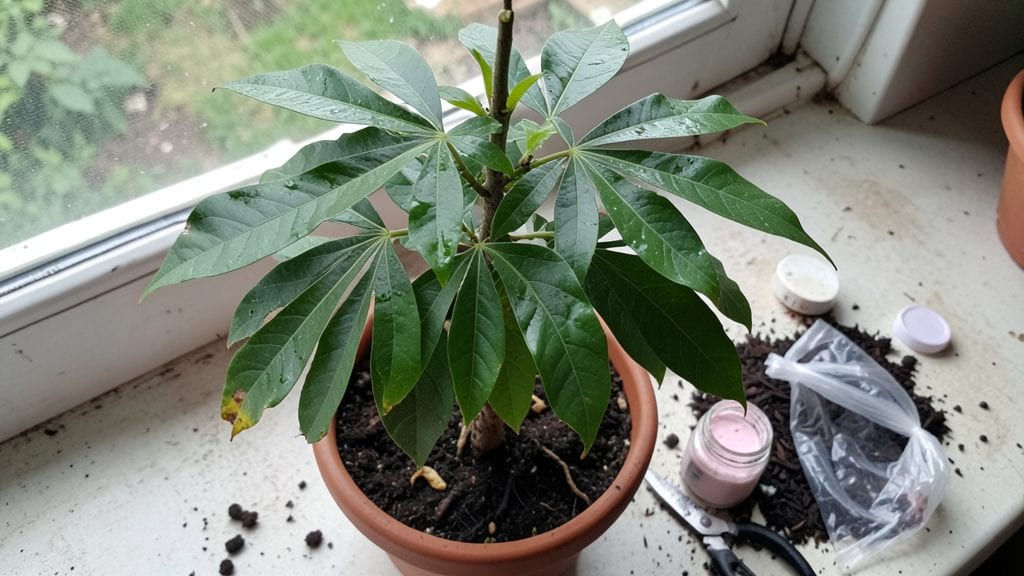
Propagating an umbrella tree plant from kitchen scraps is easier than you think—my first batch rooted in just three weeks. ✨ The key is cutting at the right time and keeping the stems moist until roots form.
Most people overlook the importance of humidity, which is what separates successful propagation from disappointment.
You’ll need sharp scissors, rooting hormone (optional but helpful), small pots, and a plastic bag to create a mini greenhouse. Umbrella trees propagate best from 4-6 inch stem cuttings taken in spring or early summer when the plant is actively growing.
The right timing makes all the difference between fast roots and stubborn stems.
Once rooted, these plants grow 12-18 inches in their first year with proper care—thicker, bushier, and ready to fill out your space. The best part? You can propagate multiple plants from a single mature tree, giving you free, healthy additions for your garden or home.
Works for both indoor and outdoor varieties, though indoor Schefflera may take slightly longer to root. The secret to fast growth lies in consistent moisture and bright, indirect light—no fancy equipment needed. Let’s get those cuttings growing!
📚 In This Guide
- What you need
- Instructions
- Tips and common mistakes
- Wrapping up and next steps
What you need
- ● Umbrella tree scraps: Healthy, mature stems (4–6 inches long) with at least 2–3 leaf nodes. Snip from the parent plant with clean, sharp scissors.
- ○ Rooting hormone (optional but recommended): A gel or powder (e.g., Rootone) to boost root growth.
- ● Well-draining potting mix: A blend of 50% perlite, 30% peat moss, and 20% coconut coir (or a pre-mixed propagation mix).
- ● Small pots or propagation tray: 4–6 inch pots with drainage holes (or a seed tray with cells).
- ● Clear plastic bag or humidity dome: To create a greenhouse effect (e.g., a ziplock bag with holes punched in it).
- ● Sharp pruning shears or scissors: Sterilized with rubbing alcohol to prevent disease.
- ● Spray bottle: For misting cuttings (fill with room-temperature water).
- ○ Heat mat (optional): A 70–75°F mat to speed up rooting (especially in cooler climates).
- ● Fertilizer (light dose): A diluted liquid fertilizer (e.g., fish emulsion) after 4–6 weeks.
- ● Bright, indirect light source: A grow light or sunny windowsill (avoid direct sun).
- ● ✨ Timing: Propagate in spring or early summer when the plant is actively growing.
- ● 🌡️ Temperature: Keep cuttings in a warm (70–80°F) environment for faster rooting.
- ● 💧 Moisture: Keep the soil consistently moist (not soggy!)—mist daily if using a humidity dome.
Step-by-Step instructions for propagating umbrella tree plant
Here's how to turn kitchen scraps into thriving umbrella trees in just weeks.
🌱 Step 1: Select and Prepare Your Cuttings
Choose healthy stems from your umbrella tree that are about 4-6 inches long and have at least 2-3 leaves. I always pick non-flowering sections because they focus energy on root growth instead of blooms. Use clean, sharp scissors to cut just below a leaf node—this is where roots will sprout.
Remove the lower leaves from the stem, leaving only the top few. This reduces moisture loss and prevents rot. Dip the cut end in rooting hormone to encourage faster root development. I like to work quickly here—wet cut ends dry out fast, and that slows rooting.
💧 Step 2: Create the Perfect Rooting Environment
Fill a small container with well-draining potting mix—I use a mix of perlite and peat moss for my cuttings. Moisten it until damp but not soggy. You want the mix to hold moisture without being waterlogged, which would suffocate your new roots.
Make a hole about 2 inches deep with your finger and insert the cutting. Gently firm the soil around the base to keep it stable. Place the container in a bright spot with indirect light—direct sun can scorch tender new growth. I keep mine near an east-facing window where it gets morning light but no harsh afternoon rays.
☀️ Step 3: Maintain Ideal Conditions for Root Growth
Keep the soil consistently moist by watering lightly every 2-3 days. You'll know it's time when the top inch feels dry to the touch. Too much water causes rot; too little slows rooting. I use a spray bottle to mist the leaves occasionally—this mimics humidity and helps the cutting adjust.
Cover the cutting with a clear plastic bag to create a humid microclimate. This speeds up rooting by keeping moisture levels high. Remove the bag for 10 minutes daily to prevent mold. Within 3-4 weeks, you should see new growth—this means roots are forming!
🌿 Step 4: Transition to Independent Growth
Once your cutting has 2-3 inches of new growth, it's ready to graduate to its own pot. Choose a 6-inch container with drainage holes and fill it with fresh potting mix. Gently remove the cutting from its starter container and replant, firming soil around the base.
Place it in a spot with bright, indirect light for another 2 weeks to help it adjust. Avoid direct sun until you see strong, healthy leaves. You'll know it's thriving when it grows 1-2 inches per month—that's a sign your umbrella tree is happy and established!
Tips & tricks for perfect umbrella tree propagation
Fast-growing cuttings start with these simple tricks that'll help you avoid common pitfalls.
Cutting Selection: In Step 1, focus on stems with a slight bend at the base—they're more likely to have dormant root buds. I've found that thicker stems (about pencil-width) root faster than pencil-thin ones. Avoid stems with yellowing leaves or signs of disease, as these won't recover during propagation.
Rooting Hormone Tip: When dipping your cuttings in rooting hormone, don't overdo it—just a light coating is enough. Too much can actually slow root growth. I like to tap off any excess hormone before inserting into the soil to prevent clumping around the cut end.
Lighting Strategy: For Step 2, indirect light is key—but if you don't have an east-facing window, place your cuttings under fluorescent grow lights for 12-14 hours daily. Regular household bulbs won't provide enough light intensity for successful rooting. The 10-minute daily bag removal in Step 3 is crucial for preventing mold while maintaining humidity.
Watering Wisdom: The 2-3 day watering schedule in Step 3 works best with room-temperature water. Cold water can shock the delicate roots forming underground. I've noticed that using a spray bottle to mist leaves occasionally helps maintain humidity without overwatering the soil.
Pro Tips for Propagating Umbrella Tree Plant
- Fast-growing cuttings start with these simple tricks that'll help you avoid common pitfalls.
- Cutting Selection: In Step 1, focus on stems with a slight bend at the base—they're more likely to have dormant root buds.
- Rooting Hormone Tip: When dipping your cuttings in rooting hormone, don't overdo it—just a light coating is enough.
Frequently asked questions
Got questions about growing your own umbrella tree from scraps?
Here are the answers to the most common ones—so you can propagate with confidence!
Can I propagate an umbrella tree from a grocery store bunch?
Yes! Just ensure the stems are healthy and firm (not wilted or mushy). Choose a bunch with at least 2–3 inches of stem—this gives your cutting the best chance to root. Rinse off any dirt or residue before propagating to avoid rot.
How long does it take for umbrella tree cuttings to root?
Most cuttings develop roots in 2–4 weeks, but patience is key! Keep the soil moist (not soggy) and place them in bright, indirect light. A humidity dome or plastic bag can speed up rooting by creating a mini greenhouse effect.
Why are my umbrella tree cuttings turning yellow or mushy?
Yellowing or mushiness usually signals overwatering or rot. Umbrella trees hate soggy conditions—let the top inch of soil dry out between waterings. If you see black spots or a foul smell, trim the affected area and replant in fresh, well-draining soil.
What’s the best alternative if my cuttings won’t root?
Try air layering—a foolproof method for stubborn stems! Wrap a damp sphagnum moss ball around a healthy branch, cover it with plastic, and secure it with tape. Roots should form in 4–8 weeks, then you can snip and pot it.
Can I grow an umbrella tree indoors year-round?
Umbrella trees thrive indoors with bright, indirect light (like near a south-facing window). Keep humidity moderate (40–60%) and rotate the pot occasionally for even growth. Just avoid drafts—cold air can stress the plant.
Wrapping up and next steps
Growing an umbrella tree plant from kitchen scraps is a rewarding journey—one that combines ease with stunning results! 🌿 With just a few simple steps, you can transform scraps into a thriving, fast-growing plant that adds lush greenery to your space.
Whether you're a beginner or a seasoned gardener, this method proves that propagation is both accessible and fun.
Now that you’re armed with the know-how, why not take the next step? Grab those scraps, follow your newfound confidence, and watch your umbrella tree flourish. Share your progress with fellow plant lovers—you’ll inspire others to try it too! 🌱