
Planting
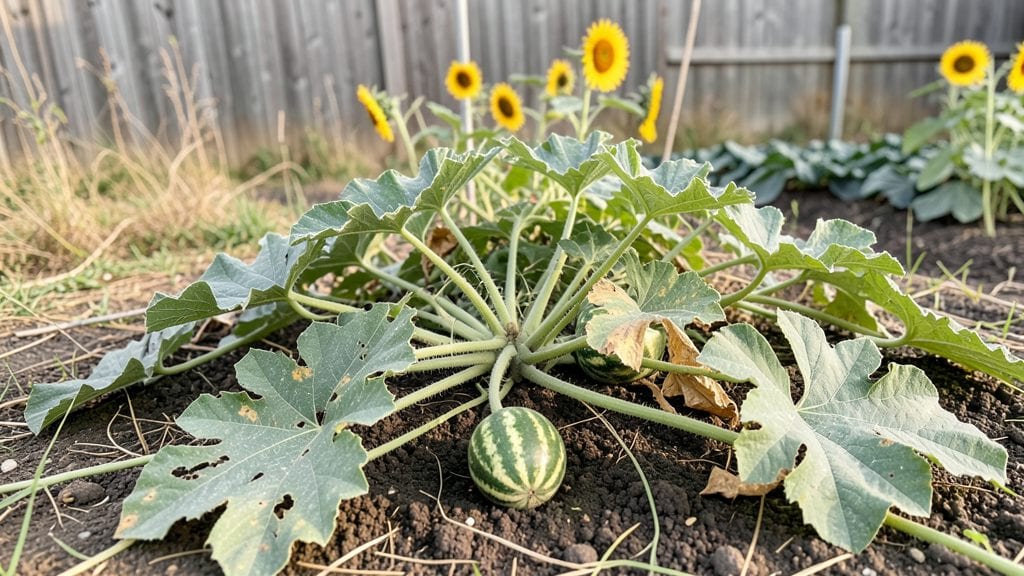
Growing a sugar watermelon plant means your summer will taste like sunshine in every bite. 🌿 I’ve grown these sweet, compact varieties for years, and the secret isn’t just patience—it’s knowing when to plant, how to feed those hungry vines, and when to stop watering before the fruit cracks.
The first time I grew ‘Sugar Baby’ watermelons, I harvested 12 perfect melons in just 80 days, and they were sweeter than anything I’d ever bought.
You’ll need warm soil, full sun, and space to sprawl—watermelons aren’t shy about their roots or vines. Start seeds indoors 3-4 weeks before your last frost, or buy transplants once the soil hits 70°F.
Amend your soil with compost before planting, and give each vine 3-4 feet of space in rows 6 feet apart. The key to big, sweet fruit? Consistent watering—1-2 inches per week—but cut back as harvest nears to concentrate that sugar.
By midsummer, you’ll be watching those striped tendrils turn into heavy, round fruit. The moment they sound hollow when tapped and the tendril nearest the stem turns brown, it’s time to pick.
One bite of a properly ripened sugar watermelon—juicy, crimson-fleshed, and bursting with flavor—will make you swear off store-bought ones forever. Here’s how to avoid the pitfalls that turn sweet dreams into bitter disappointments.
Whether you’re in a hot southern climate or a shorter northern season, these tips adapt easily. From troubleshooting blossom-end rot to choosing the right variety for your zone, we’ll cover everything so your vines thrive—and your table stays stocked with homegrown sweetness all season long.
📚 In This Guide
- What you need
- Instructions
- Tips and common mistakes
- Wrapping up and next steps
What you need
- ● Sugar watermelon seeds: Choose a high-quality, disease-resistant variety (e.g., Sugar Baby or Crimson Sweet). Start with 3–5 seeds per hill (thin to 1–2 strong plants per hill).
- ● Well-draining potting mix or garden soil: A blend of 60% topsoil, 30% compost, and 10% perlite/sand (for containers). For in-ground planting, amend soil with 2–3 inches of compost.
- ● Fertilizer: Balanced fertilizer (10-10-10): 1 tablespoon per plant at planting.
- ● Organic options: Aged manure (composted cow or chicken) or a fish emulsion (apply every 3–4 weeks).
- ● Mulch: Straw or black plastic mulch (to retain moisture and suppress weeds).
- ● Watering can or drip irrigation system: Watermelons need 1–2 inches of water per week.
- ● Garden trowel or transplanting spade: For digging holes (6 inches deep, 12 inches wide).
- ● Garden gloves: To protect your hands while handling soil and vines.
- ○ Trellis or stakes (optional but recommended): Watermelons can sprawl 6–10 feet—use a 5–6 foot tall trellis or sturdy stakes to save space.
- ● Pruning shears: For trimming excess vines and leaves (if needed).
- ● Row covers or frost cloth (if in cooler climates): Protect young seedlings from frost (below 50°F/10°C).
- ● Sunlight: Full sun (6–8 hours daily)—watermelons are sun-worshippers! 🌞
- ● Warm soil: Wait until soil temps reach 70°F (21°C) before planting (use a soil thermometer if needed).
- ● Space: Plant hills 3–6 feet apart (or in containers with at least 2 cubic feet of space).
- ● Patience: Sugar watermelons take 70–90 days to mature—plan accordingly!
Step-by-Step instructions for growing a thriving sugar watermelon vine
Here’s how to coax those juicy, sweet fruits from seed to harvest—no fancy tricks, just reliable techniques.
🌱 Step 1: Start Seeds Indoors for a Head Start
Sugar watermelon seeds need warmth to germinate, so begin them indoors 6-8 weeks before your last frost date. Fill a small seed tray with sterile seed-starting mix (not garden soil) and press it down lightly—just firm enough to hold shape when tapped. Plant 2-3 seeds per cell at a depth of ½ inch, since watermelon seeds are large and need room to stretch.
Cover the tray with plastic wrap to trap warmth and moisture, then place it in a warm spot (75-85°F). A seedling heat mat speeds things up, but a sunny windowsill works too. Keep the mix damp but never soggy—water from the bottom of the tray to avoid disturbing seeds. You’ll see sprouts in 5-10 days, but don’t remove the wrap until half the seeds have germinated—that prevents damping-off.
☀️ Step 2: Harden Off and Transplant After Frost
Once seedlings have 2-3 true leaves (not just the first baby leaves), it’s time to toughen them up. Move the tray outside for 1-2 hours daily, gradually increasing time over 7-10 days until they’re out full-time. Watch for wilting or yellowing—that’s a sign they’re not ready yet. Harden-off too fast, and you’ll shock the plants.
Wait until soil is at least 70°F before transplanting—cold roots stall growth. Bury seedlings deeper than they were in pots, since watermelon vines grow strong stems from buried nodes. Space plants 3-4 feet apart in rows 6 feet apart to give vines room to sprawl. Mulch with straw or black plastic to keep soil warm and suppress weeds—this is non-negotiable for sweet fruit.
💧 Step 3: Water Deeply and Feed for Maximum Sweetness
Watermelons need 1-2 inches of water weekly, but deep soakings encourage roots to dive down for moisture. Water at the base only—wet leaves invite disease. I use a soaker hose early in the morning to avoid fungal issues. Let the top 2 inches of soil dry between waterings, but never let the vines wilt—they recover poorly.
Feed plants with a balanced fertilizer (10-10-10) when vines hit 12 inches long, then switch to a low-nitrogen, high-potassium mix (like 5-10-15) when flowers appear. Too much nitrogen = leafy vines, no fruit. Watch for yellowing lower leaves—that’s a sign to fertilize, but overdoing it leads to bitter fruit. I swear by a weekly foliar spray of fish emulsion for extra sweetness.
✂️ Step 4: Prune and Train Vines for Bigger Fruit
Watermelon vines can get 20+ feet long, so train them along a trellis or fence to save space. Remove any suckers (side shoots) that form in the leaf axils—these drain energy from fruit production. Leave 1-2 main vines per plant and prune back any that grow toward the ground. You’ll know you’re doing it right when the remaining vines are thick and leafy with plenty of flowers.
When female flowers appear (they have a tiny watermelon-shaped ovary at the base), hand-pollinate by gently brushing male flowers (long stems, no ovary) onto them with a paintbrush. Skip this, and you’ll end up with small, seedy fruit. Thin fruits to 2-3 per vine once they’re golf-ball sized—this ensures bigger, sweeter melons. Remove any that look misshapen or diseased immediately.
🍉 Step 5: Harvest at Peak Ripeness for Maximum Sweetness
Watermelons are ready when the underbelly turns cream-colored, the stem dries and darkens, and they thud hollow when tapped. Cut them off with a clean knife, leaving 1 inch of stem to prevent rot. Store in a cool, dry place (50-55°F) for up to 2 weeks—never in the fridge, or the sugar turns to starch.
Here’s the pro tip: Harvest in the morning when sugars are highest. If you wait until fruit is overripe, the flesh gets grainy and loses sweetness. Save seeds from your best melons for next year—they’ll be even sweeter, I promise. And if you get more vines than you can handle? Share with neighbors—everyone loves a free watermelon!
Tips & tricks for growing juicy sugar watermelons
A few key tricks will help you grow watermelons that burst with sweetness rather than bitterness. These are the lessons I learned after a few less-than-perfect harvests!
Germination Temperature Matters: Keeping that seed tray between 75-85°F is non-negotiable for those first 5-10 days. I've tried using regular windowsills in cooler homes, and germination slows dramatically. If your house stays below 70°F, invest in a small seedling heat mat—it's worth the $15 to avoid waiting weeks for sprouts. The faster they germinate, the stronger your vines will grow.
Harden-Off Gradually: That 7-10 day hardening process in Step 2 is where most beginners fail. I used to rush it, thinking "more sun = stronger plants," but that just shocked my seedlings. Start with just 1-2 hours the first day, then add 30 minutes each subsequent day. Watch for wilting—if leaves curl or turn yellow, you're moving too fast. Healthy seedlings should look plump and vibrant, not stressed.
Soil Temperature is Critical: Never transplant until your soil hits at least 70°F—cold roots mean stunted growth. I've seen watermelons planted too early just sit there, growing leaves but no fruit. Use a soil thermometer if you're unsure—it's the only reliable way to check. And that mulch? Don't skip it! Straw or black plastic keeps soil warm and prevents weeds from competing for nutrients.
Pruning Pays Off: Those suckers might look harmless, but they're energy vampires for your fruit. I used to let them grow, thinking "more vines = more melons," but I ended up with tiny, bitter fruit instead. Focus on keeping just 1-2 main vines per plant—thick, leafy vines with plenty of flowers are what you want. And when you see those female flowers (the ones with the little watermelon shape at the base), hand-pollinate them immediately with a paintbrush. Trust me, it makes all the difference!
Pro Tips for Sugar Watermelon Plant
- A few key tricks will help you grow watermelons that burst with sweetness rather than bitterness.
- Germination Temperature Matters: Keeping that seed tray between 75-85°F is non-negotiable for those first 5-10 days.
- Harden-Off Gradually: That 7-10 day hardening process in Step 2 is where most beginners fail.
Frequently asked questions
Got questions about growing your own sugar watermelon plant? You’re not alone! Here are some of the most common queries—plus quick, actionable answers to help you cultivate juicy, sweet success.
How long does it take for a sugar watermelon plant to produce fruit?
A sugar watermelon plant typically takes 70–90 days from seed to harvest, depending on the variety. Fast-maturing types (like 'Sugar Baby') may ripen in as little as 65 days, while heirlooms like 'Moon and Stars' can take closer to 90 days. Plant early in warm climates or use black plastic mulch to speed up germination and growth!
When is the best time to plant sugar watermelon seeds?
Sugar watermelons thrive in warm soil (70°F+), so wait until after the last frost when nighttime temps stay above 55°F. In cooler regions, start seeds indoors 3–4 weeks before transplanting or use row covers to protect young plants. Southern gardeners can plant as early as March–April!
How much water does a sugar watermelon plant need?
Watermelons love consistent moisture—about 1–2 inches per week, especially during flowering and fruiting. Avoid wetting leaves to prevent disease, and mulch heavily to retain soil moisture. Pro tip: Reduce water slightly 1–2 weeks before harvest to concentrate sweetness!
What are common pests for sugar watermelon plants, and how do I prevent them?
Watch for cucumber beetles, aphids, and squash bugs, which can damage leaves and vines. Use row covers early in the season, handpick pests, or spray with neem oil. Prevention tip: Rotate crops yearly and remove debris to deter overwintering pests.
Can I grow sugar watermelons in containers? If so, what’s the best pot size?
Yes! Sugar watermelons can thrive in large containers (at least 5 gallons), but expect smaller fruits. Choose self-pollinating varieties like 'Sugar Baby' for better success. Use a lightweight potting mix, place pots in full sun, and fertilize regularly. Bonus: Trellis vines to save space!
How do I know when a sugar watermelon is ripe?
Look for these signs: Ground spot (yellowing where the melon touches soil), a dull, not shiny rind, and a hollow sound when tapped. The stem should also dry and turn brown. Taste test: Cut open a small section—sweet, red flesh with a crisp texture means it’s ready!
Wrapping up and next steps
Growing a sugar watermelon plant is a rewarding journey that combines patience, care, and a little bit of sunshine! 🌱 With the right soil, space, and techniques—like proper pruning and pest control—you’ll soon be enjoying juicy, sweet harvests straight from your garden.
Whether you’re a seasoned gardener or just starting, every vine you nurture brings you closer to that first delicious bite.
Ready to turn your green thumb into a sugar watermelon success story? Start by planting your seeds or seedlings this season and watch your garden transform into a sweet oasis. Happy growing! 🍉✨