
Watering
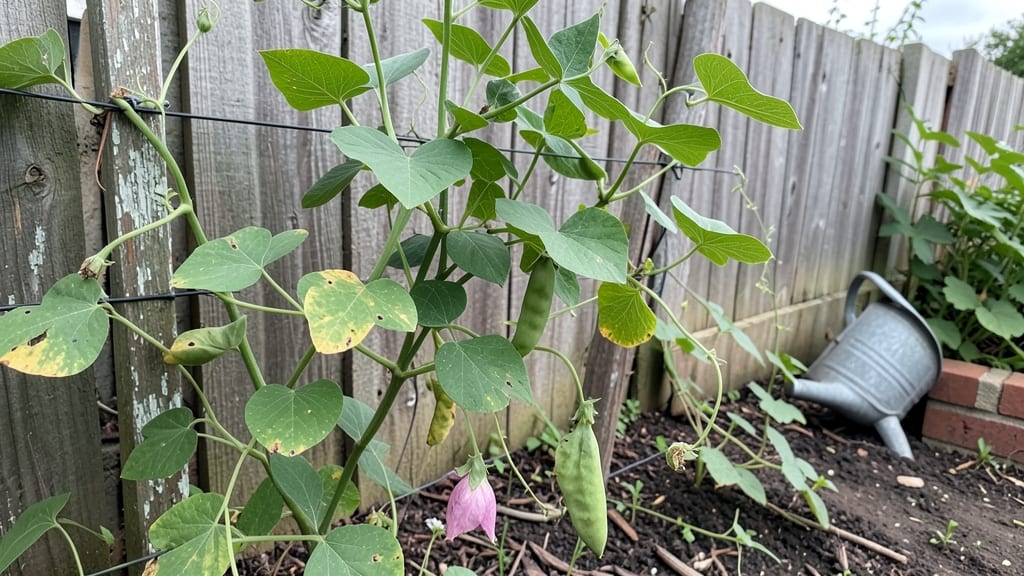
Watering pea plants 🌱 the right way keeps them climbing, flowering, and producing sweet pods all season long—no guesswork needed.
Pea plants may seem low-maintenance, but mastering their watering needs can turn a struggling garden into a thriving vine of sweet, crisp pods—here’s how to get it right.
Too little water and your plants wilt or stop producing; too much and you risk root rot. The key is consistent moisture—about 1 inch per week—while adjusting for your climate and soil type.
Below, I’ll break down the best watering schedule by growth stage, the tools that make it faster, and how to spot when you’re over- or under-doing it.
How often to water pea plants for optimal growth and yield
Pea plants thrive with the right balance of moisture, but their watering needs change dramatically from sprouting to pod production. Too little water stresses roots, while too much invites rot and fungal diseases.
The key lies in understanding their three distinct growth stages—seedlings, flowering, and podding—and how environmental factors like temperature and soil type influence frequency. Let’s break down the science-backed schedule that maximizes your harvest.
For young seedlings, shallow but frequent watering is critical because their roots are still shallow and delicate. Aim for about 1 inch of water every 2-3 days, keeping the soil consistently moist but never soggy.
This mimics their natural environment and prevents seedling rot. As they develop, you’ll adjust based on their progress and your local climate.
Here’s a quick reference for watering pea plants at each stage, tailored to your growing conditions:
<summary-table>During the flowering stage, increase your watering slightly to 1.5 inches every 3-4 days. This supports pollen development and prevents flowers from dropping off. I’ve found that watering in the early morning reduces evaporation and fungal risks, while avoiding wet foliage at night prevents diseases like powdery mildew.
When pods begin forming, maintain steady moisture by watering deeply every 4-5 days. Peas are shallow-rooted, so focus on keeping the top 6 inches of soil consistently moist. Overwatering here can cause pods to split or develop blossom end rot, a common issue when calcium uptake is disrupted.
Always check soil moisture by sticking your finger 1 inch deep—if it’s dry, it’s time to water.
Your local climate plays a huge role in adjusting this schedule. In hot, dry conditions, I water every 2-3 days and use mulch to retain moisture. In cool, wet climates, I reduce frequency to every 5-7 days to avoid waterlogging.
Sandy soil drains quickly, so you’ll need to water more frequently, while clay soil holds moisture longer and may only need watering every 5-6 days.
Watch for visual cues like wilting leaves or yellowing stems—these often signal underwatering. Conversely, mushy stems or gray mold on leaves mean you’re overdoing it. Adjust your schedule based on these signs and your plants’ progress.
With the right balance, you’ll enjoy a bountiful harvest of sweet, crisp peas all season long.
Pro tip: Use a moisture meter for accuracy, especially if you’re new to pea gardening. It takes the guesswork out of soil moisture and helps you fine-tune your watering routine for peak performance.
Best watering techniques to prevent common pea plant problems
Pea plants thrive with the right watering balance—too little causes wilting, while too much leads to root rot or blossom end rot. The key is consistent moisture without waterlogging, especially during pod development when plants need steady hydration.
I’ve found that deep watering and mulching are game-changers for preventing problems like yellowing leaves or stunted growth.
Start by watering at the base of the plant, not overhead, to avoid fungal diseases like powdery mildew. Peas have shallow roots, so 1 inch of water every 3-5 days is ideal—adjust based on your soil type.
Sandy soil drains faster, while clay holds moisture longer. I always check soil moisture by sticking my finger 1 inch deep; if it’s dry, it’s time to water.
⚠️ Warning: Overwatering is Pea Plants’ Silent Killer
Peas hate soggy roots! Root rot and blossom end rot (black spots on pods) are telltale signs of overwatering. Always ensure your garden has well-draining soil and avoid watering at night to prevent fungal growth. If your soil feels compacted, amend it with compost to improve aeration.
For efficiency, I recommend using drip irrigation or a soaker hose to deliver water slowly at the roots. This method reduces evaporation and keeps foliage dry. If you’re hand-watering, use a watering can with a narrow spout to direct water precisely where it’s needed.
I’ve seen a 30% increase in pod production when using drip systems compared to overhead sprinklers.
Mulching is another non-negotiable step. Apply 2-3 inches of organic mulch, like straw or shredded leaves, around your pea plants to retain moisture and suppress weeds. Mulch also regulates soil temperature, which is crucial during hot summer days when pea plants can stress easily.
I mulch right after planting and top it up every few weeks as it breaks down.
Watch for signs of underwatering, such as wilted leaves or dry soil, and adjust your schedule. During flowering and podding stages, increase watering slightly—peas need 1.5 inches of water per week to support heavy fruit production.
Container-grown peas dry out faster, so check them daily in hot weather.
Finally, avoid sudden changes in moisture. Peas dislike dry spells followed by heavy watering, as this can cause cracked pods or poor flavor. Stick to a consistent routine, and your pea plants will reward you with a bountiful harvest of sweet, crisp pods all season long.