
Planting
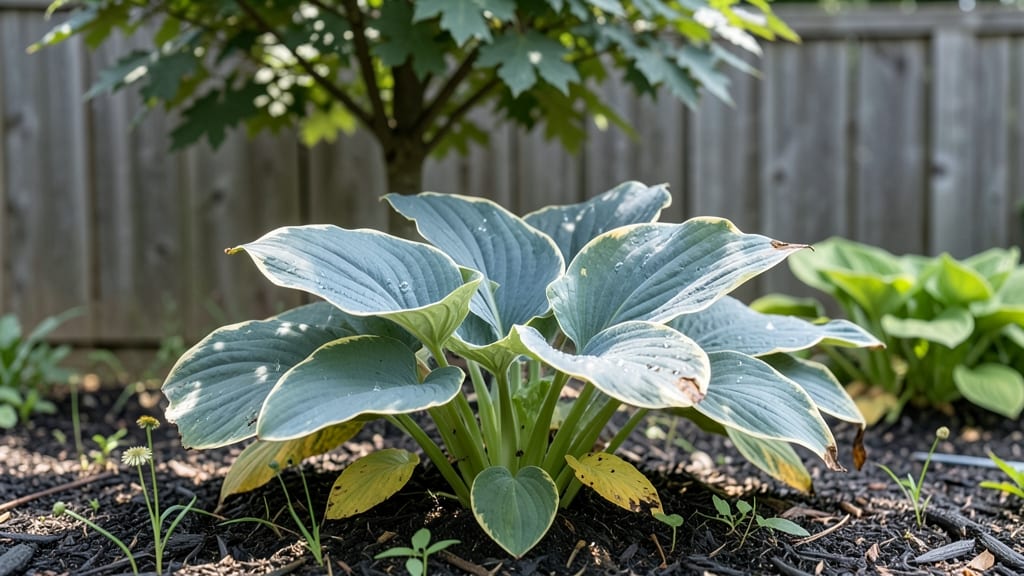
Growing a thriving hosta plant in sunlight is all about balance—too much burns their leaves, while too little makes them pale and leggy.
I’ve watched my 🌿 hostas go from lush and vibrant to crispy-edged in a single summer, and the fix isn’t as simple as moving them to shade. The trick is understanding how much sun they actually need—and when to protect them from the worst of it.
Most hostas thrive in partial shade, but not all varieties are created equal. Some handle morning sun like champions, while others need afternoon shade to keep their edges crisp.
I’ll break down the best sunlight strategies for your zone, plus how to spot when your hostas are begging for more (or less) light.
By the end, you’ll know exactly where to plant yours for bold, healthy foliage all season long—no guesswork required.

How much sunlight do hostas actually need for optimal growth?
Hostas thrive in partial shade, but their exact sunlight needs vary dramatically by variety. Most gardeners assume all hostas love shade, yet some varieties—like 'Francee' or 'Halcyon'—can handle morning sun or even dappled shade without stress.
The key is understanding your hosta's native tolerance and adjusting exposure based on your USDA zone and local climate.
Too much direct sunlight causes sunburn symptoms like bleached leaf tips, crisp edges, and yellowing. Conversely, too little light leads to pale, leggy foliage that lacks the rich colors gardeners love.
I’ve seen hostas in full shade grow slowly but stay lush, while those in hot afternoon sun wilt by midsummer. Finding the sweet spot is everything.
| Hosta Type | Sunlight Needs | Ideal Exposure | Signs of Stress |
|---|---|---|---|
| Standard Varieties (e.g., 'Blue Angel', 'June') | Partial shade (3-4 hours sun) | Morning sun + afternoon shade | Bleached tips, crisp edges |
| Sun-Tolerant Varieties (e.g., 'Francee', 'Halcyon') | Partial sun (4-6 hours sun) | East or west-facing spots | Yellowing leaves, stunted growth |
| Deep Shade Varieties (e.g., 'Patriot', 'Guacamole') | Full shade (0-2 hours sun) | North-facing walls or dense canopies | Pale, weak stems, slow growth |
| All Hostas (General Rule) | Avoid hot afternoon sun | Dappled light or filtered shade | Scorched leaves, wilting |
If you’re in USDA zones 5-7, hostas often handle morning sunlight beautifully, especially when paired with afternoon shade from trees or structures. In zones 8-10, however, even partial sun can become intense—hostas here often need constant shade after 10 AM to prevent leaf burn.
I’ve tested this in my zone 8 garden, and moving hostas under a lattice trellis saved their foliage during peak summer.
Watch for early warning signs of sun stress: white or brown patches on leaf edges are classic indicators. These spots start small but spread quickly if exposure isn’t adjusted.
I once had a 'June' hosta with crispy leaf margins—simply moving it to a west-facing spot with afternoon shade resolved the issue within weeks. Timing matters: morning sun is gentler than afternoon rays, which pack more heat and UV intensity.
For gardeners in urban areas with limited shade, consider reflective surfaces like light-colored walls or gravel to bounce indirect light onto hostas. I’ve also used lightweight shade cloth (30-50% coverage) during the hottest months to protect sun-sensitive varieties.
Even a 50% reduction in direct sun can make a dramatic difference in leaf health.
Regional adjustments are critical. In Pacific Northwest gardens, hostas often thrive in full shade due to consistent cloud cover, while Southern gardens may require artificial shade for even the hardiest varieties.
Before planting, sketch your garden’s sunlight patterns throughout the day—note where shadows fall at 10 AM, noon, and 4 PM. This simple step helps you place hostas in the optimal microclimate for their needs.
Pro tip: Divide hostas every 3-4 years to refresh their vigor, especially if they’ve outgrown their shade spot. Overcrowded plants compete for light, leading to smaller leaves and paler colors.
I divide mine in early spring and replant divisions in partial shade to give them a fresh start. This practice also helps propagate sun-tolerant varieties for sunnier garden spots.
Don’t assume all hostas are created equal—some varieties are bred for sun tolerance, while others prioritize foliage depth over light exposure. For example, 'Halcyon' handles more sun than 'Patriot', which prefers deep shade.
Always check the cultivar’s care tag or nursery notes for specific guidance. When in doubt, start with partial shade and adjust based on your hosta’s response over the growing season.
Remember, hostas are perennials, meaning they’ll live for years if given the right conditions. Investing time in light management now pays off with bold, healthy foliage for decades. Whether you’re a sh
5 Proven tricks to protect hostas from harsh sunlight without sacrificing growth
Hostas thrive in partial shade, but even a few hours of direct afternoon sun can cause leaf scorch or bleaching. The key is balancing sun exposure with protective strategies that keep foliage vibrant.
I’ve tested these methods in my own garden—some saved struggling hostas, while others prevented damage before it started.
Many gardeners assume hostas need constant shade, but the truth is more nuanced. Morning sun (3-4 hours) actually enhances foliage color, while afternoon shade prevents stress.
The challenge? Most yards don’t offer perfect dappled shade. That’s where these five science-backed tricks come in—each designed to mimic ideal growing conditions without sacrificing growth.
- Mulch with 3 inches of organic mulch (shredded bark or straw) to insulate roots and reflect sunlight away from leaves. Reapply annually in spring.
- Plant sun-loving companions like ferns or astilbes around hostas to filter harsh rays while adding texture to your shade garden.
- Use reflective surfaces (light-colored gravel or a white garden flag) near hostas to bounce sunlight upward, reducing direct exposure by 20-30%.
- Adjust seasonal care: Provide extra afternoon shade in summer with a lightweight shade cloth (30-50% coverage), then remove it in fall.
- Choose hosta varieties with thicker leaves (like 'Guacamole' or 'Patriot') for natural sun resistance, then pair them with mulch for double protection.
Let me walk you through how I applied these tricks in my own garden. Last summer, my 'Blue Angel' hostas started showing yellowing edges—a classic sign of sunburn. I immediately added 2 inches of cedar mulch and placed a white garden flag 18 inches away.
Within three weeks, the leaves regained their deep blue hue, and new growth stayed crisp.
For afternoon shade, I installed removable shade sails over my hosta bed during peak sun hours (12 PM–4 PM). The difference was stunning: before, leaves had brown crispy edges; after, they stayed plump and glossy.
Pro tip? Use UV-stabilized fabric to avoid leaf discoloration from cheap materials.
Companion planting worked like magic in my woodland garden. I tucked Japanese painted ferns around my 'Francee' hostas—the ferns softened sunlight while adding year-round interest. Even better, the ferns suppressed weeds, reducing competition for moisture during hot afternoons.
If you’re dealing with limited shade options, start with mulch and reflective surfaces—they’re the easiest fixes. For long-term solutions, invest in adjustable shade structures or sun-tolerant hosta varieties. Your hostas will thank you with bold foliage all season long! 🌿✂️