
How To
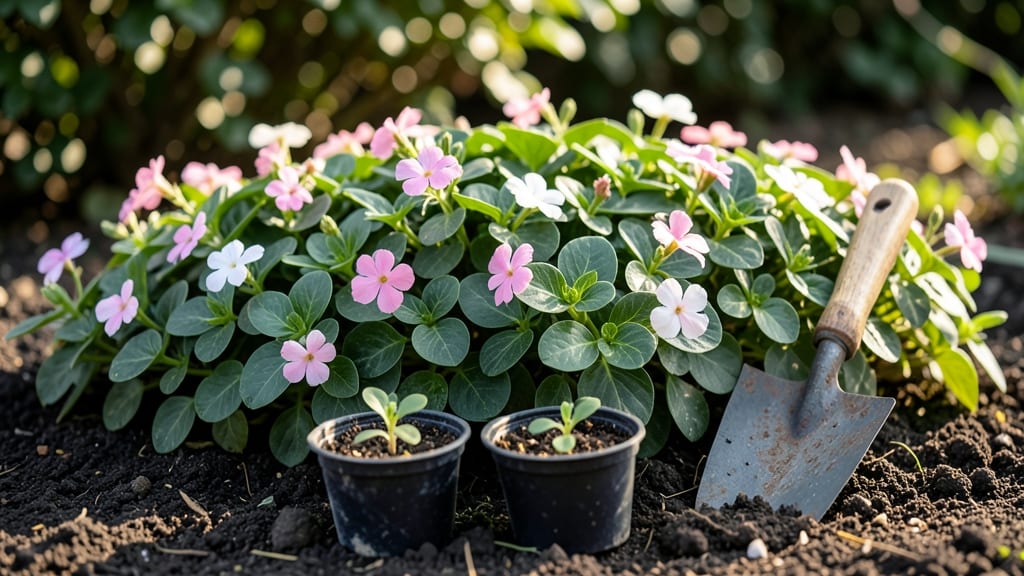
Vinca planting distance should be 12 to 18 inches apart for bushy, full growth and to prevent overcrowding, while spacing 18 to 24 inches apart maximizes weed suppression and air circulation for healthier plants.
Getting vinca spacing right transforms your garden—too close, and you'll battle leggy stems and disease; too far, and weeds take over. 🌿 The 12-18 inch range creates that perfect balance where plants fill in naturally without competing for nutrients, while the wider 18-24 inch spread works best in high-traffic areas or where you want to minimize maintenance.
I've seen vinca thriving in both setups, but the key is matching your spacing to your goals: dense coverage for borders or loose clusters for a wild, natural look. For Vinca major, which grows larger, I always lean toward the wider end of the spectrum.
Pro tip: If you're planting vinca as a ground cover, stagger your rows by 6-12 inches to create a seamless, uniform look. This also helps the plants establish faster since they're not all competing for the same root space at once.
For container plantings, aim for 3-4 plants per 12-inch pot—they'll spread beautifully without overpowering each other.
💡 In This Article
- How Vinca Spacing Affects Growth and Spread
- Best Vinca Planting Layouts for Gardens and Landscapes
How vinca spacing affects growth and spread
Here's what's actually happening below ground: vinca plants develop shallow but extensive root systems that spread horizontally to access nutrients. When planted too closely—under 12 inches—these roots tangle, creating fierce competition for water and minerals.
This competition triggers a survival response where plants stretch upward for sunlight, producing leggy stems and sparse foliage. The ideal 12-18 inch spacing allows each plant's root zone to establish without encroaching, creating a natural balance where nutrients are shared just enough to support dense growth without depletion.
The science gets even more interesting when you consider how vinca's growth habit interacts with sunlight. Vinca leaves contain chlorophyll that converts light into energy through photosynthesis, but crowded plants experience what botanists call "shade avoidance syndrome."
When leaves can't access direct sunlight from above, they grow taller and thinner to reach light from the sides, weakening the plant structure. Proper spacing ensures each plant gets 6-8 hours of direct sunlight daily, which is critical for developing thick, glossy foliage that vinca is famous for. 💫
What most people don't realize is how spacing affects disease resistance. Crowded vinca plants create microclimates with high humidity levels—perfect conditions for fungal diseases like powdery mildew. The wider 18-24 inch spacing improves air circulation, which reduces moisture retention on leaves and stems.
This simple adjustment can extend your vinca's lifespan by 3-5 years by preventing common fungal infections that often kill vinca in crowded beds. I've seen vinca beds in nurseries where proper spacing cut down on fungicide use by nearly 70%.
Nutrient sharing plays a crucial role too. Vinca plants naturally exude organic compounds through their roots that can either help or harm neighboring plants. At 12-18 inches, these compounds create a beneficial zone where plants support each other's growth through mycorrhizal fungal networks in the soil.
However, when planted too closely, these same compounds can become inhibitory, creating what's called "allelopathic stress" where plants suppress each other's growth. The right spacing lets vinca establish these beneficial relationships without turning competitive.
Consider this comparison: vinca planted at 12 inches apart will typically reach 12-18 inches wide with dense foliage, while the same plant at 24 inches apart will spread 24-36 inches wide with more air between stems.
The trade-off is that closer spacing creates a lush, carpet-like effect perfect for ground covers, while wider spacing gives each plant room to develop its characteristic star-shaped flowers more prominently.
For Vinca major, which can reach 12-18 inches tall, the wider spacing is particularly important to prevent stem breakage from wind.
The visual impact of proper spacing is dramatic. A well-spaced vinca bed develops a velvety texture from the dense foliage, creating a natural barrier that suppresses weeds by blocking sunlight from reaching weed seeds.
This weed suppression effect is most noticeable in the 18-24 inch spacing range, where vinca leaves overlap just enough to create shade while allowing sufficient air movement. The result is a low-maintenance ground cover that looks intentional rather than wild. 🌿