
Pests and Diseases
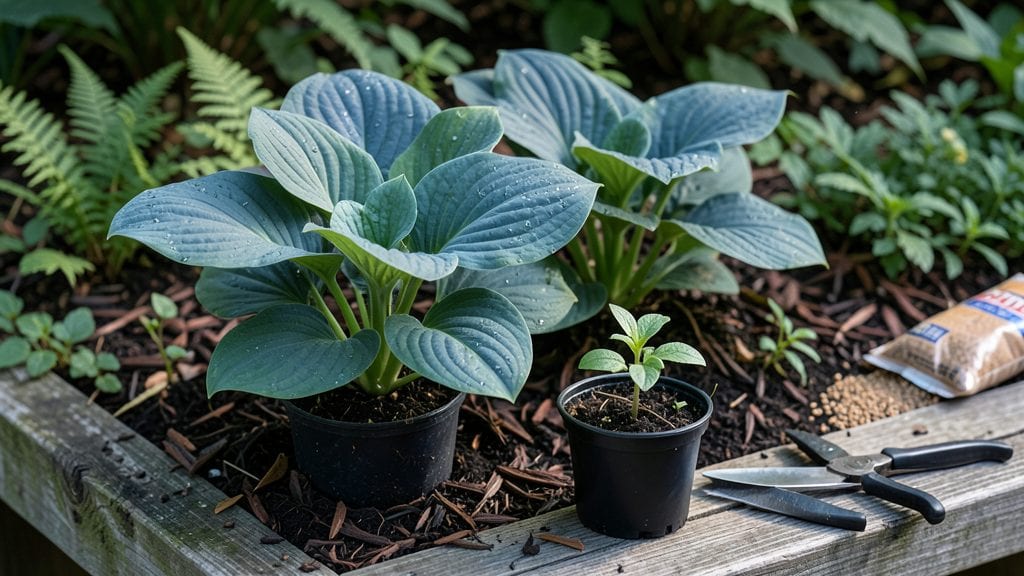
The right hosta planting distance is the difference between a thriving 🌿 display and a sad, stunted mess.
Picture this: you’ve just planted your dream hosta collection, only to watch them fight for space like kids at a lunch table. Too close, and you’ll get yellowing leaves and slug magnets.
Too far apart, and your garden looks like it’s missing its best feature. The secret? Spacing them 12 to 36 inches apart—depending on the variety—so they grow bold, not bitter.
Most gardeners guess wrong, but it’s not rocket science. Dwarf hostas need room to breathe, while giants demand space to flex their foliage. I’ll break down the exact measurements, why crowding kills your plants, and how to arrange them for maximum drama—whether you’re lining a border or filling a container.
By the end, you’ll know exactly how to space hostas for show-stopping growth, no competition, and zero regrets.

Optimal hosta planting distance by variety size: small vs. giant hostas
Hostas are one of the most popular shade-loving perennials, but their growth potential is often stifled by poor spacing. I’ve seen gardeners pack dwarf varieties too tightly, while giant hostas get lost in oversized beds. The key?
Understanding how root systems expand and how spacing affects leaf size, color intensity, and even pest resistance. Let’s dive into the science behind spacing—because cramped hostas mean smaller leaves and weaker plants.
Most gardeners focus on the above-ground foliage but overlook the underground competition. A hosta’s roots spread 2-3 times wider than its mature foliage.
That means a 2-foot-tall hosta needs at least 4-6 feet of space to thrive—otherwise, roots compete for nutrients and water, leading to stunted growth and pale leaves.
I’ve learned this the hard way with my ‘Blue Angel’ hostas—packing them too close turned their deep blue into a sad, washed-out green.
Here’s the golden rule: Space hostas based on their mature size, not their current size. A 6-inch dwarf hosta planted today could be 2 feet wide in 5 years. Ignore this, and you’ll end up with crowded clumps that struggle to reach their full potential.
The good news? Proper spacing doesn’t just prevent overcrowding—it also enhances leaf vibrancy and reduces slug damage by improving airflow.
Now, let’s get practical. Below is a variety-specific spacing guide that covers dwarf, medium, and giant hostas. Use this as your cheat sheet before digging that first hole. Remember: closer spacing = smaller leaves, while adequate space = bold, show-stopping foliage.
🌿
| Variety Type | Mature Size (W x H) | Ideal Planting Distance | Notes |
|---|---|---|---|
| Dwarf Hostas | 6-12" tall, 12-18" wide | 12-18 inches apart | Examples: 'Pandora's Box', 'Blue Mouse Ears' |
| Semi-Dwarf Hostas | 12-24" tall, 18-24" wide | 18-24 inches apart | Examples: 'Francee', 'Halcyon' |
| Standard Hostas | 24-36" tall, 24-36" wide | 24-36 inches apart | Examples: 'Guacamole', 'Patriot' |
| Giant Hostas | 36"+ tall, 36"+ wide | 36-48 inches apart | Examples: 'Sum and Substance', 'Franz Schubert' |
| All Hostas | N/A | 3-4 feet from trees/shrubs | Root competition reduces growth |
Let’s break down why these distances matter. Dwarf hostas like ‘Blue Mouse Ears’ might seem tiny now, but they’ll spread 18 inches wide in ideal conditions. Planting them 12 inches apart gives them room to fluff out without competing for nutrients.
Meanwhile, giant hostas like ‘Sum and Substance’ need 36-48 inches because their roots and foliage grow aggressively. Crowd them, and you’ll get smaller leaves and less vibrant colors.
I once planted ‘Francee’ hostas (a semi-dwarf) 12 inches apart in a shady border. By year three, their leaves were half the size of my properly spaced plants. The difference? Root competition stole nutrients meant for leaf development.
Proper spacing also reduces slug damage—tight clusters create humid microclimates that slugs love. Give your hostas room to breathe, and you’ll see healthier, more resilient plants.
Another pro tip: Group hostas by size in your garden beds. Mixing dwarf and giant varieties in the same area leads to uneven growth. For example, place small hostas in the front of a border and larger ones toward the back. This creates a
How to space hostas for maximum impact: design tips for borders, beds, and containers
Hostas are the unsung heroes of shade gardens, but their true potential only shines when planted with purpose. Proper spacing isn’t just about preventing overcrowding—it’s about creating a visual rhythm that makes your garden sing.
Whether you’re lining a border, filling a bed, or tucking them into containers, the right distance transforms clumps into stunning focal points.
I’ve learned the hard way that cramming hostas too close leads to stunted growth, pale foliage, and even pest problems. The key? Understanding how mature size dictates spacing while also considering color contrast and light conditions.
For example, a giant hosta like ‘Blue Angel’ needs 3 feet of space, while a dwarf variety like ‘Halcyon’ thrives just 12 inches apart.
- Dwarf varieties: 12–18" apart
- Medium varieties: 18–24" apart
- Giant varieties: 24–36" apart
- Containers: 1 plant per 5–7 gallons (group odd numbers)
- Edge planting: Space 12–18" from border to prevent leaf overlap
For borders and beds, I group hostas by foliage color to create depth. Pair blue-green varieties like ‘Francee’ with golden ones like ‘Aureomarginata’—the contrast pops even in low light.
Start with odd-numbered clusters (3, 5, or 7 plants) to avoid stiffness. In my own garden, a trio of ‘Patriot’ hostas flanked by heuchera creates a year-round show.
When planting under trees, prioritize root competition awareness. Hostas need moist but well-draining soil, so avoid areas with dense tree roots. Instead, choose spots with dappled shade and amend the soil with organic matter to improve drainage.
I’ve had success under Japanese maples, where hostas thrive without competing for nutrients.
Containers are where creative spacing gets fun. Use large pots (18"+ diameter) for single giant hostas or mix 3–5 dwarf varieties in a 5-gallon container. The trick?
Leave 2–3 inches between plants and edges to accommodate growth. My window-box hostas spill over beautifully when planted in a 1:1:1 ratio of blue, green, and gold foliage.
Remember, visual flow matters as much as physical space. Step back often to check for balanced proportions. If one hosta clump looks too dominant, add a taller perennial like foxglove or a ground cover like ajuga to soften the edges.
With the right spacing, your hostas won’t just survive—they’ll thrive and steal the show.