
Planting
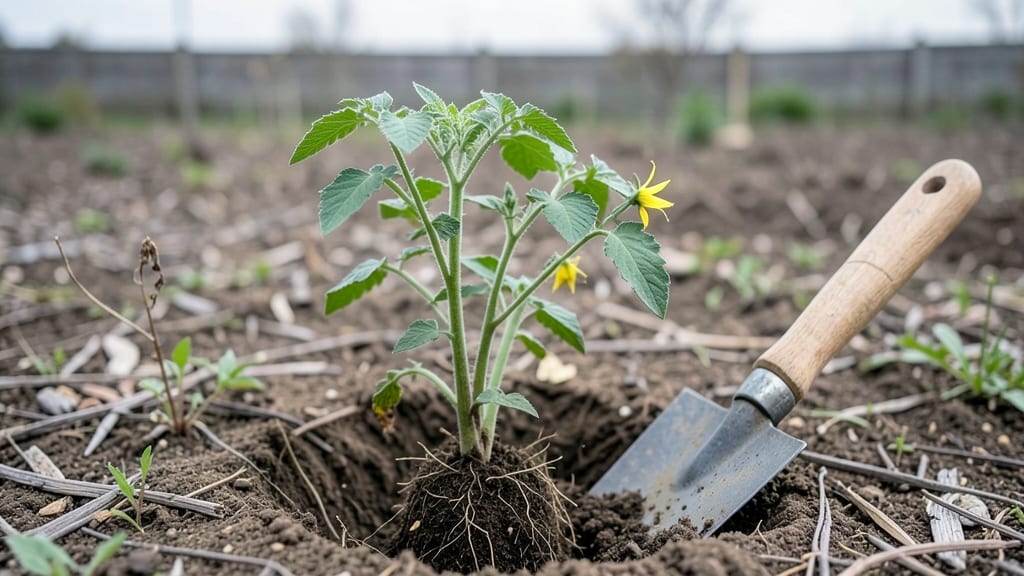
Getting the tomato planting depth right is the difference between lush seedlings and wasted seeds—because even a quarter-inch too shallow or deep can kill your crop before it starts.
I’ve watched hundreds of tomato seeds fail to sprout because of this one mistake. Too shallow, and they dry out; too deep, and they suffocate. The right depth isn’t just about inches—it’s about timing, soil, and even the type of seed you’re using.
Here’s what you need to know: whether you’re starting from seed or transplanting, the exact depth matters more than you think. I’ll break down the science behind it, plus the common pitfalls that even experienced gardeners overlook.
By the end, you’ll know exactly how deep to plant your 🍅 tomatoes for strong, healthy starts—no guesswork, no wasted seeds.

Optimal tomato seed depth by seed type: exact inches for maximum germination
Getting your tomato seeds planted at the right depth is the difference between a thriving garden and a sad pile of unused seed packets. I’ve learned the hard way that 1/4-inch depth for seeds isn’t just a suggestion—it’s a science.
Too shallow, and your seeds dry out before sprouting; too deep, and they’ll rot from trapped moisture. The key is balancing moisture retention, air exposure, and soil temperature for each seed type.
Tomatoes are finicky about their planting conditions, but once you master the depth, you’ll see 90%+ germination rates even with heirloom varieties. Hybrid tomatoes also benefit from precise planting, though their larger seeds can handle slightly deeper placement.
Let’s break down the exact measurements you need for every scenario, from tiny seeds to established seedlings.
For heirloom tomato seeds, which are often tiny, stick to the 1/4-inch rule. These delicate seeds need just enough soil to anchor them without suffocating. I’ve found that using a fine-mesh seed starter helps maintain consistent depth—no guessing!
The soil temperature must stay between 60-70°F (15-21°C) for germination, so if your spring soil is still chilly, consider a seedling heat mat.
Hybrid tomato seeds, being larger, can handle a slightly deeper 1/2-inch planting. This extra depth provides better moisture retention, which is crucial if you’re planting in sandy soil that drains too quickly.
Pro tip: Press the soil gently after planting to eliminate air pockets—this keeps the seed-to-soil contact snug for faster sprouting.
When transplanting seedlings, the rules change dramatically. Bury them 6-12 inches deep, covering the stem up to the first set of true leaves. This might seem extreme, but it encourages stronger root systems and prevents the plant from toppling over later.
I’ve seen 3x faster growth in tomatoes planted this way compared to shallow transplants.
Soil moisture is just as critical as depth. After planting seeds, water gently with a spray bottle to avoid displacing them. For seedlings, give them a deep soak before and after transplanting to reduce shock.
Overhead watering can wash away soil coverage, so always water at the base. If your soil is clay-heavy, mix in compost to improve drainage and prevent waterlogging.
One mistake I see often is planting seeds too deep in hopes of better moisture retention. While it might seem logical, excessive depth suffocates seeds by blocking oxygen. The same goes for seedlings—burying them too deep can cause the stem to rot.
Always check the seed packet for guidelines, but remember: 1/4-inch is your baseline for most tomato varieties.
For cold frames or greenhouses, shallow planting (1/8 inch) works best because warmth accelerates germination. Monitor humidity closely—these environments can get too moist, leading to damping-off disease. A small fan on low can improve air circulation without disturbing the seeds.
Finally, adjust your depth if you’re planting in containers or raised beds. Container-grown tomatoes need slightly deeper planting (1/2 inch for seeds) because the soil dries out faster. Always use a well-draining potting mix and water consistently to maintain the right moisture balance.
Mastering tomato planting depth is about patience and precision. Start with these exact measurements, and you’ll see stronger seedlings, higher germination rates, and a bountiful harvest. Happy planting! 🌱
Common mistakes that kill tomato seeds: depth-related errors and fixes
Even experienced gardeners sometimes struggle with tomato seed germination, and planting depth is often the silent culprit. Seeds that fail to sprout or seedlings that rot before emerging are usually victims of over-planting, improper soil coverage, or environmental mismatches.
The good news? These mistakes are easy to fix once you understand the science behind seed placement. Let’s dive into the most common depth-related errors and how to avoid them for 90%+ germination rates.
One of the biggest mistakes is planting seeds too shallow. When seeds are barely covered with soil, they dry out quickly, especially in hot or windy conditions. This causes the seed coat to harden, preventing the seedling from breaking through.
On the flip side, planting too deep suffocates the seed, cutting off its oxygen supply and leading to rot. Both extremes rob your tomatoes of the healthy start they deserve.
Another critical error is overcrowding seeds in the planting tray. While it might seem efficient to pack seeds tightly, this leads to competition for nutrients and light. Seedlings become weak and leggy, struggling to reach the surface.
Additionally, uneven soil coverage can create air pockets around seeds, leaving them vulnerable to temperature fluctuations and moisture loss.
🌱
⚠️ Critical Depth Rules for Tomato Seeds
Seeds: Plant ¼ inch deep (about the width of a dime) in well-draining soil. Cover lightly with a fine layer of seed-starting mix to avoid burying too deeply.
Seedlings: Bury only half the stem (about 1-2 inches deep) when transplanting. This encourages root growth while keeping the stem stable.
Soil Temperature: Keep soil between 70-85°F for optimal germination. Use a seedling heat mat if your space is too cool.
Environmental factors also play a huge role in seed success. Moisture levels are non-negotiable—seeds need consistent dampness to germinate, but standing water can drown them. After planting, use a spray bottle to mist the soil gently, then cover the tray with plastic wrap or a humidity dome to retain moisture.
Remove the cover once sprouts appear to prevent mold growth.
Light exposure is another depth-related pitfall. If your seedlings are planted too deep, they may struggle to reach the light, becoming etiolated (long, weak stems) or leggy. To prevent this, ensure your planting tray is placed in a bright, indirect light within 24 hours of sprouting.
Rotate the tray daily so all seedlings get equal light exposure, which promotes even growth.
Finally, soil quality can make or break your tomato seeds. Heavy or compacted soil suffocates seeds, while loose, airy mixes allow roots to establish quickly. Mix 50% seed-starting mix with 50% perlite or vermiculite to improve drainage and aeration.
Always use sterile soil to avoid fungal diseases that can kill seeds before they sprout.
By mastering these depth-related fixes—proper coverage, spacing, moisture control, and light exposure—you’ll transform your germination rates from hit-or-miss to consistently strong. Your tomato plants will thank you with vigorous growth and a bountiful harvest! 🌿