
Fertilization
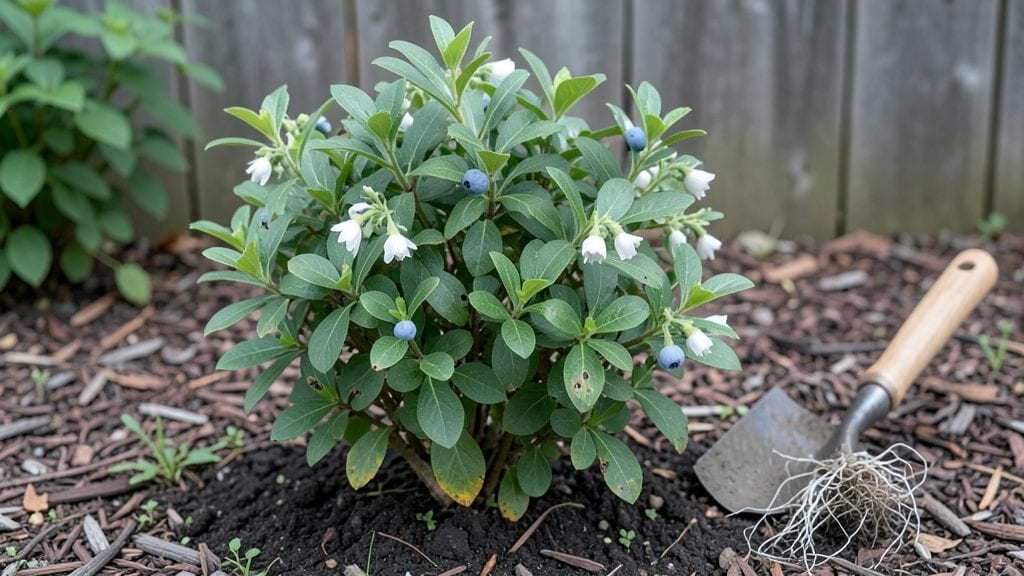
Growing thriving blueberry bushes starts with the right planting conditions—acidic soil, full sun, and proper spacing—that most gardeners overlook.
Struggling to grow healthy blueberries? The secret isn’t just in the seeds—it’s in the perfect planting conditions that turn struggling bushes into bountiful harvests. Get the soil pH, sunlight, and spacing right, and you’ll unlock blueberries that taste like summer every year.
Blueberries, or 🫐, thrive in well-draining, acidic soil with a pH between 4.5 and 5.5. They also need 6+ hours of sunlight daily and enough space to prevent disease. Whether you’re in Zone 6 or a warmer climate, these conditions make all the difference.
In this guide, I’ll walk you through soil prep, sunlight needs, and spacing tips to set your blueberries up for success—from planting to your first harvest.

Optimal soil pH levels for blueberry bushes: the acidic secret to success
Blueberries are finicky about their soil—if you’ve ever planted them only to watch your bushes struggle, the culprit is almost always the soil pH. These berries thrive in acidic conditions (pH 4.5–5.5), a range that mimics their natural bog habitats.
Without this acidity, nutrients like iron and manganese become locked away, starving your plants and leaving you with sparse, bitter fruit—or worse, no fruit at all.
Most garden soils hover around neutral pH (6.0–7.5), which is a disaster for blueberries. Even slightly alkaline soil (pH 6.0+) can stunt growth, yellow leaves, and reduce yields by up to 50%.
The good news? Testing and amending your soil is straightforward once you know the steps—and I’ll walk you through every detail to get your blueberries flourishing.
| Blueberry Planting Condition | Specification | Notes |
|---|---|---|
| Soil pH Range | 4.5–5.5 | Critical for nutrient uptake; test annually. |
| Ideal Soil Type | Well-draining, sandy loam | Avoid clay or compacted soil; add organic matter. |
| Organic Matter Content | 30–50% | Peat moss or compost essential for acidity. |
| Drainage Requirement | Fast-draining | Waterlogged soil causes root rot; raise beds if needed. |
| Fertilizer Type | Acid-loving, high-phosphorus | Use ammonium sulfate or cottonseed meal. |
Testing your soil’s pH is the first step—and it’s easier than you think. Grab a soil pH test kit (digital or liquid) from your local garden center. Dig a 6-inch hole near where you’ll plant, collect a sample, and follow the kit’s instructions.
If your pH reads above 5.5, don’t panic—you can adjust it with simple amendments like sulfur or peat moss. For every 0.5 pH unit too high, mix in 1 pound of elemental sulfur per 100 square feet and water it in. Re-test in 2–3 months.
Peat moss is another game-changer for blueberries. Work 2–3 inches into the top 12 inches of soil before planting, and top-dress annually with 1–2 inches of fresh peat moss or pine needles. These materials slowly acidify the soil while improving drainage.
Just avoid overdoing it—too much peat moss can make the soil too dense. Aim for a 50/50 mix of peat and existing soil for best results.
One of the biggest mistakes gardeners make is assuming their soil is acidic when it’s not. Lime (calcium carbonate) is the enemy of blueberries—never add it! Even "acid-loving" compost can sometimes raise pH if it’s not properly aged.
Always check the pH again after amending, and be patient. Adjusting soil acidity takes time, but once you hit that 4.5–5.5 range, your blueberries will reward you with juicy, sweet fruit for years.
Mulching plays a dual role: it keeps roots cool in summer and slowly acidifies the soil as it breaks down. Use pine straw, cedar chips, or composted leaves—avoid hardwood mulches like oak or maple, which can raise pH over time.
Spread a 3–4 inch layer around the base of your bushes, keeping it 6 inches away from the trunk to prevent rot. Replenish it every spring to maintain acidity.
If your soil is already too acidic (below 4.5), you’ll need to raise the pH slightly. Sprinkle wood ash or crushed eggshells lightly around the base (but sparingly—too much can throw off the balance).
Monitor with your pH kit and adjust gradually. Remember, blueberries are sensitive to sudden changes, so small, incremental adjustments are key.
Container-growing blueberries? The same pH rules apply, but you’ll need to amend your potting mix from the start. Use a 50/50 blend of acidic potting soil and peat moss, plus a slow-release acid-loving fertilizer.
Check pH every 3–4 months and refresh the mix every 2 years—containers dry out faster and lose acidity quicker than in-ground soil.
Your blueberries’ health—and your harvest—depends on getting this right. Skip the pH test or skip the amendments, and you’re setting yourself up for disappointment. But nail the acidic soil, and you’ll enjoy bountiful, flavorful berries that taste like a summer vacation every time you pick them.
Sunlight requirements and spacing: how much light and room do blueberries need?
Blueberries thrive when planted in the right spot with full sun exposure, but knowing exactly how much light they need—and how to space them properly—can mean the difference between a few berries and a bountiful harvest.
These shrubs demand 6 to 8 hours of direct sunlight daily to produce sweet, flavorful fruit, but they also need proper spacing to prevent disease and maximize airflow.
If you’ve ever struggled with poor blueberry yields, it might be because your bushes aren’t getting enough sunlight or are crowded too closely. Overcrowding leads to fungal diseases like botrytis, while insufficient light weakens the plant’s ability to fruit.
Let’s break down the ideal conditions to set your blueberries up for success.
Blueberry Planting Conditions: Sunlight & Spacing
- 6–8 hours of direct sunlight daily
- Tolerates partial shade in hot climates (e.g., afternoon shade)
- Too little light = smaller fruit or no fruit
- 3–4 feet apart for dwarf varieties
- 5–6 feet apart for standard bushes
- More space = better airflow and fewer diseases
- Planting in deep shade (e.g., under trees)
- Crowding bushes closer than 3 feet
- Ignoring microclimate (e.g., windy or frost-prone spots)
💡 Pro Tip: In hot climates, provide afternoon shade to prevent leaf scorch while still ensuring morning sun for fruiting.
For container gardening, adjust spacing and sunlight slightly. Use large pots (at least 18 inches deep) and place them where they’ll get full sun for 6+ hours.
Dwarf varieties like ‘Top Hat’ or ‘Peach Sorbet’ work well in containers, but even they need proper airflow—so avoid cramming multiple bushes into one pot.
If your garden has partial shade, choose northern-facing spots for morning sun and afternoon shade. Avoid southern exposures in hot zones, as the intense afternoon sun can stress the plants. Mulch around the base with pine needles or wood chips to retain moisture and mimic their natural acidic environment.
Remember, blueberries are not fussy about soil—they’re picky about light and space. Once you’ve got those two factors nailed down, your bushes will reward you with juicy, sweet berries year after year.
Start with the right spot, and you’ll be well on your way to a blueberry bonanza!