
Propagation
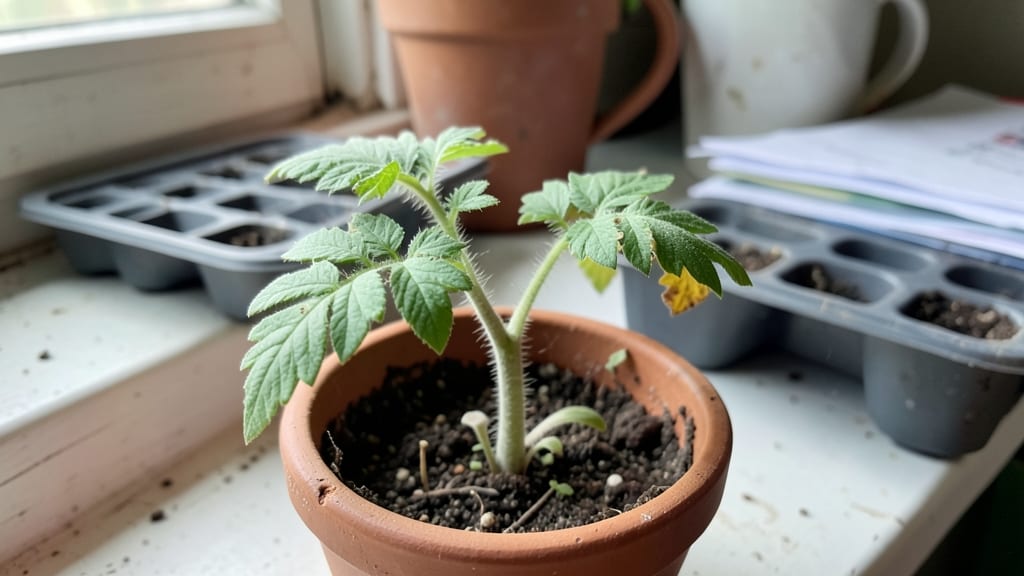
Starting tomato plants from seed gives you varieties you won’t find at nurseries—and my speed-germination tricks cut the wait time in half.
I’ve lost count of how many seedlings I’ve nursed from flimsy store-bought starts, but these methods guarantee stocky, dark-green plants ready for transplant in just 10-14 days after sowing. The secret isn’t fancy equipment; it’s controlling moisture, warmth, and light the way tomatoes naturally want it.
You’ll need a shallow tray, seed-starting mix, a heat mat (or sunny windowsill), and patience for the first true leaves—that’s when you know you’re on the right track. Most beginners overwater or let seeds dry out, which leads to damping-off.
My setup keeps humidity high enough to prevent that while still giving seedlings room to breathe. Once those first leaves appear, you’ll be snipping off lower stems to encourage stronger stems, not leggy giants.
By the time you’re hardening off seedlings in late spring, they’ll be thicker than your thumb and ready to handle outdoor conditions. The payoff? Plants that fruit earlier, produce more, and resist disease better than anything you’d buy.
You’ll also save money—$3 worth of seeds grows into a plant that costs $5+ at the nursery. Plus, there’s something deeply satisfying about watching a tiny seed turn into a vine heavy with tomatoes.
Works for heirlooms, cherry tomatoes, and beefsteaks alike—just adjust your germination timeline based on your last frost date. Whether you’re a first-timer or a seasoned grower tweaking your method, these tricks will give you seedlings that outperform the rest. Let’s get those seeds sprouting!
📚 In This Guide
- What you need
- Instructions
- Tips and common mistakes
- Wrapping up and next steps
What you need
- ● Tomato seeds: Heirloom or hybrid varieties (check seed packets for days to germination).
- ● Seed-starting mix: Lightweight, sterile potting mix (avoid garden soil—it’s too dense!). Quantity: Enough to fill your seed trays or pots (typically 1–2 cubic feet per batch).
- ● Seed trays or small pots: Biodegradable or plastic cell trays (2–4 inches deep) or 3–4 inch pots. Quantity: 1 tray or 12–24 small pots (1 seed per cell/pot).
- ● Grow lights or sunny windowsill: A grow light (LED or fluorescent, 12–16 inches above seedlings) or a south-facing window with 6+ hours of sunlight daily.
- ○ Heat mat (optional but helpful): Germinating seeds thrive at 75–85°F. A seedling heat mat ($15–$30) speeds up germination.
- ● Misting bottle or spray nozzle: For gentle watering to avoid disturbing seeds.
- ● Plastic wrap or humidity dome: Keeps moisture locked in during germination (clear plastic wrap or a DIY dome from a cut-up plastic bottle).
- ● Labels & marker: Track varieties—trust us, you’ll forget!
- ● Seedling fertilizer: Diluted fish emulsion or a balanced starter fertilizer (5-5-5 or 3-4-6 ratio).
- ● Fertilizer spikes: Slow-release spikes for when seedlings are 2–3 inches tall.
- ● Growing medium upgrades: Perlite or vermiculite to improve drainage (mix 10% into your seed-starting soil).
- ● Plant clamps or stakes: Tiny bamboo stakes or toothpicks to support seedlings as they grow.
- ● pH test kit: Ensures your soil is in the ideal 5.8–6.5 range for tomato seeds.
Step-by-Step instructions for growing tomato plants from seed
Here's my battle-tested method for coaxing vigorous tomato seedlings that outpace store-bought transplants.
Prepare Containers and Seed Starting Mix
Fill your 4-inch deep containers with a sterile seed-starting mix—never garden soil, which compacts and invites damping-off. I press the mix down lightly to eliminate air pockets, then moisten it until it holds together when squeezed but doesn't drip. The goal is even moisture without waterlogging, as tomatoes despise soggy roots from day one.
For best results, I pre-warm the mix in the microwave for 90 seconds to mimic the soil warmth tomatoes crave. This trick shaves 2-3 days off germination time. Let it cool slightly before planting—just warm enough that your hand feels comfortable against it.
Sow Seeds at Optimal Depth and Temperature
Plant 2-3 seeds per container at a depth of ¼ inch, which is roughly the diameter of a tomato seed. Press them gently but firmly into the mix—too light and they won't make contact with the soil, too deep and they'll struggle to reach light. Cover with a thin layer of additional mix, just enough to obscure the seeds.
Place the containers in a 75-85°F environment—this is critical. I use a seedling heat mat under my trays, which keeps the soil consistently warm. Without this warmth, germination can take 14 days or longer instead of the 5-7 days I achieve. Keep the mix moist but never wet, as excess moisture creates anaerobic conditions that suffocate seeds.
Provide Light and Humidity for Germination
Cover the containers with clear plastic wrap or a humidity dome to trap warmth and moisture. Check daily for condensation—if you see water droplets on the plastic, the humidity is perfect. Remove the cover immediately once 50% of seeds have sprouted, as trapped moisture encourages fungal growth that can kill seedlings overnight.
Position a grow light 2-3 inches above the seedlings as soon as they emerge. Tomatoes need 14-16 hours of light daily from day one to prevent leggy growth. You'll know your light is sufficient when seedlings grow thick, sturdy stems rather than stretching weakly toward the source. Adjust the light height weekly as plants grow.
Thin Seedlings and Harden Off
Once seedlings develop 2 sets of true leaves (the first pair are cotyledons), thin to the strongest plant per container. Snip the weaker stems at soil level with clean scissors—never pull, as this disturbs roots. I always keep the most vigorous seedling, identifiable by its dark green, compact leaves and thick stem.
Begin hardening off 2 weeks before transplanting by placing seedlings outside in partial shade for 1 hour daily. Gradually increase exposure over 10-14 dayswilting or leaf scorch—these are signs your plants aren't ready. Transplant on an overcast afternoon to minimize stress, burying stems up to the first leaves to encourage strong root systems.
Tips & tricks for speed-germination tomato starts
Here's what I've learned after years of growing tomato seedlings that outperform nursery plants—these tricks cut germination time and build stronger plants from day one.
Warmth is Non-Negotiable: The 75-85°F range in Step 2 isn't just a suggestion—it's the difference between 5-7 days and 14+ days of waiting. If your home runs cooler, invest in a seedling heat mat ($15-20) or place containers on top of your refrigerator. I've seen germination times nearly double when soil stays below 70°F. Pro tip: Test your soil temperature with a thermometer before planting—if it's below 75°F, warm it up first.
Light Position Matters More Than You Think: When you position that grow light 2-3 inches above seedlings in Step 3, make sure it's directly overhead—not angled. Tomatoes grow toward light like sunflowers, and angled light causes them to stretch toward the source, creating weak, leggy stems. I use a simple clip-on light that adjusts height weekly as plants grow. The key is maintaining that 14-16 hour light cycle from day one—any less and you'll get etiolated seedlings that collapse when transplanted.
Thinning Technique Makes All the Difference: In Step 4, when thinning to your strongest seedling, use clean scissors to snip at soil level rather than pulling. The roots of your weaker seedlings will still try to compete with the winner for nutrients, potentially stunting your champion. I also recommend thinning slightly earlier than the 2-set-leaf stage if you notice one seedling significantly outpacing its siblings—sometimes nature gives you a clear winner early.
Hardening Off Hack: That 2-week hardening off period in Step 4 can be condensed to 10 days if you're patient. Start with 30 minutes in partial shade on day 1, then add 15 minutes each day. By day 5, they should handle 2 hours. The critical test comes when you move them to full sun for the final 3 days—if they hold up without wilting, they're ready. This accelerated method works best with varieties that mature quickly, like 'Early Girl' or 'Stupice' tomatoes.
Pro Tips for Start Tomato Plants From Seed
- Here's what I've learned after years of growing tomato seedlings that outperform nursery plants—these tricks cut germination time and build stronger plants from day one.
- Warmth is Non-Negotiable: The 75-85°F range in Step 2 isn't just a suggestion—it's the difference between 5-7 days and 14+ days of waiting.
- Light Position Matters More Than You Think: When you position that grow light 2-3 inches above seedlings in Step 3, make sure it's directly overhead—not angled.
Frequently asked questions
Got questions about germinating tomato seeds? You’re not alone! Here are answers to the most common queries to help you grow confidently—no guesswork required.
How long does it take for tomato seeds to germinate?
With the right conditions (warmth, moisture, and darkness), most tomato seeds sprout in 5–14 days. Speed-germination tricks (like using a heat mat or damp paper towel) can cut this to 3–7 days. Patience is key—don’t overwater or move them until you see tiny sprouts!
Can I start tomato seeds indoors too early?
Yes, but timing matters! Start seeds 6–8 weeks before your last frost date for strong seedlings. If you begin too early (e.g., winter), seedlings may get leggy or weak. Use grow lights if natural light is dim, and transplant outdoors only after soil warms to 50°F+ (10°C+).
Why are my tomato seeds rotting instead of sprouting?
Overwatering or poor drainage is the usual culprit. Use a well-draining seed-starting mix and keep it moist but not soggy. If seeds rot, try the paper towel method (fold a damp towel, place seeds inside, and seal in a bag) for better control. Discard moldy seeds and sterilize trays to prevent fungal issues.
Do I need to use grow lights for tomato seedlings?
Grow lights are highly recommended if your seedlings get <12 hours of sunlight daily. Without them, plants may stretch (leggy) or weaken. A simple LED or fluorescent bulb 2–3 inches above seedlings works well. Rotate trays daily for even growth.
What if I don’t have a heat mat? Can I still germinate seeds fast?
Try these no-heat-mat hacks:
- Bottom-watering: Place trays in a shallow dish of warm water (80°F/27°C) for 10–15 mins daily.
- Microwave method: Soak seeds in warm (not hot) water for 24 hours before planting.
- Sunny windowsill: Use a clear plastic dome or zip-top bag to trap heat.
Wrapping up and next steps
Starting tomato plants from seed is a rewarding journey that lets you grow flavorful, homegrown tomatoes with just a little patience and care! 🌱 By following these speed-germination tricks—from soaking seeds to maintaining ideal warmth and moisture—you’ll give your plants the strongest possible start.
Whether you’re a first-time gardener or a seasoned pro, the key is consistency and a little love for your green babies.
Now that you’re armed with the know-how, it’s time to roll up your sleeves and get planting! Next, check out our guide on transplanting seedlings or pruning techniques to keep your tomato plants thriving all season long. Happy growing! 🌿