
Companion Plants
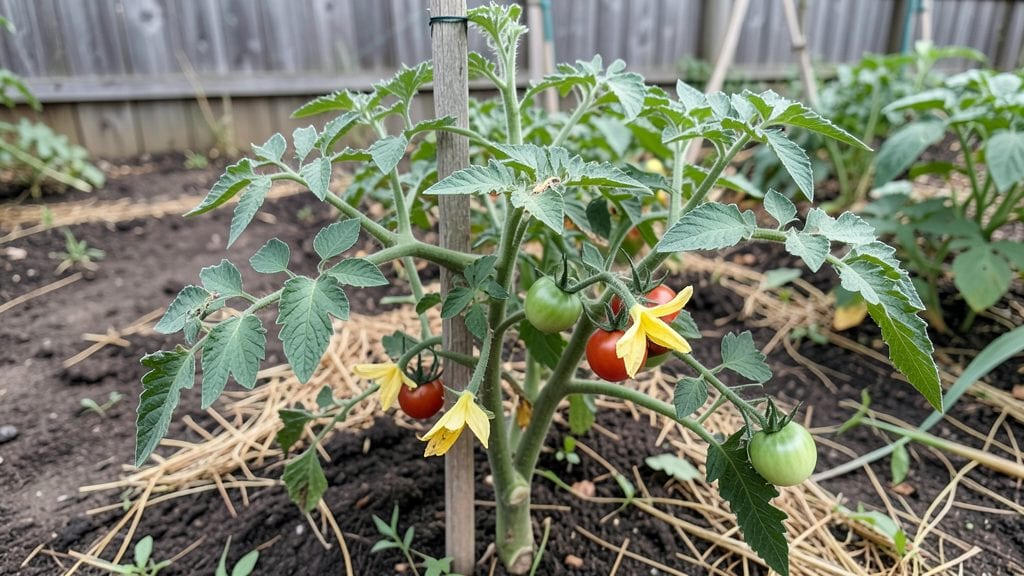
Growing Jersey tomato plants means compact vines, explosive flavor, and a harvest that keeps coming all season long. 🌱 I fell for these tomatoes after my first bite—sweet, meaty, and packed into plants that stay tidy enough for even small spaces.
The secret to their success isn't just good care, but smart neighbors in the garden.
These tomatoes thrive in full sun with well-draining soil that's rich but not soggy—think crumbly, moisture-retentive mix with compost worked in. You'll need sturdy cages or stakes since they grow bushy but not sprawling, and consistent watering at the base (not overhead) to prevent disease.
Prune suckers regularly, and you'll get fruit from early summer until frost.
Pair them with basil, marigolds, or borage for bigger yields and happier pollinators. The right companions boost flavor, deter pests, and create a mini ecosystem that works for you. By midsummer, you'll be snipping ripe tomatoes straight off the vine—no grocery store needed.
Works in containers or in-ground, from Zone 5 through Zone 10, with minor adjustments for heat or humidity. Let's get those plants growing the right way from day one.
📚 In This Guide
- What you need
- Instructions
- Tips and common mistakes
- Wrapping up and next steps
What you need
- ● Jersey tomato seeds or seedlings: 3–6 plants (depending on space—spread them 18–24 inches apart). Look for heirloom or hybrid varieties labeled "Jersey" for that classic flavor!
- ● Companion plants: Basil (3–4 plants per tomato)
- ● Marigolds (5–6 plants to deter pests)
- ● Borage (2–3 plants for pollinators and soil health)
- ○ Nasturtiums (optional, but great for pest control)
- ● Well-draining potting mix or garden soil: 1–2 cubic yards (for in-ground) or 5–10 gallons (for containers). Amend with compost for nutrient-rich soil!
- ● Organic fertilizer: Balanced 10-10-10 or tomato-specific blend (follow package rates).
- ● Garden trowel or transplanting spade
- ● Pruning shears (for trimming and harvesting)
- ● Watering can or hose with a gentle spray nozzle
- ● Gloves (to protect your hands from thorns or soil)
- ● Mulch (straw or shredded leaves, 2–3 inches thick)
- ○ Optional but helpful: Trellis or stakes (for vertical growth)
- ● Row covers (to protect young plants from pests)
- ● pH testing kit (to ensure soil is 6.0–6.8, ideal for tomatoes)
How to maximize Jersey tomato yields with companion plants
Here's the proven method I use to boost Jersey tomato production by pairing them with pollinator-friendly plants.
🌱 Step 1: Choose the Right Jersey Tomato Varieties and Planting Spots
Start with 4 Jersey tomato plants—I prefer the 'Jersey Giant' variety for its disease resistance and large fruit. Plant them in a location that gets at least 6-8 hours of direct sun daily, with well-draining soil. Jersey tomatoes thrive in 65-75°F soil temperatures, so wait until after your last frost date to transplant.
Space your plants 18-24 inches apart in rows 3 feet apart. This gives them room to spread and ensures good airflow, which prevents fungal diseases like blight. If you're using containers, opt for 5-gallon pots—they hold enough soil to support the plants' growth while keeping roots from overheating.
🌿 Step 2: Select Pollinator-Friendly Companion Plants
Plant basil (1 plant per tomato) within 12 inches of each Jersey tomato. Basil repels pests like thrips and whiteflies while improving tomato flavor. Next, add marigolds (3 plants per 4 tomatoes) around the perimeter—their strong scent deters nematodes and other soil-borne pests.
For ground cover, sprinkle clover or creeping thyme between rows. These plants attract bees and other pollinators, which increase fruit set. Avoid planting fennel or dill nearby—their strong aromas can stunt tomato growth. Stick to companions that enhance rather than compete.
☀️ Step 3: Provide Consistent Water and Support
Water deeply once a week, aiming for 1-1.5 inches of water per week. Jersey tomatoes need steady moisture, especially during flowering and fruiting. Water at the base of the plant in the morning to reduce evaporation and prevent fungal diseases. Use a soaker hose or drip irrigation to keep leaves dry.
Install cages or stakes at planting time to support the plants as they grow. Jersey tomatoes can get top-heavy with fruit, so secure them with soft ties to prevent stem breakage. Prune suckers (the small shoots that grow between the main stem and branches) to direct energy into fruit production rather than foliage.
✂️ Step 4: Monitor for Pests and Prune Regularly
Check plants twice a week for signs of pests like aphids or hornworms. If you spot trouble, spray with neem oil or introduce ladybugs for natural control. The marigolds and basil you planted will help deter many common issues, but vigilance is key.
Prune yellow or diseased leaves immediately to improve airflow. Also, trim back any branches that grow toward the ground—they’ll rot and spread disease. Harvest tomatoes when they’re fully colored and slightly soft to the touch, usually in 70-80 days after planting. This encourages more fruit to develop.
🐝 Step 5: Encourage Pollinators for Bigger Harvests
Plant bee-friendly flowers like nasturtiums or alyssum nearby to attract pollinators. These flowers provide nectar and draw bees to your tomato plants. If you’re in an urban area with fewer pollinators, hand-pollinate flowers by gently shaking the plant or using a small brush to transfer pollen.
Mulch around the base of your Jersey tomatoes with 2-3 inches of straw to retain moisture and suppress weeds. Avoid organic mulches like grass clippings—they can introduce diseases. By mid-summer, your pollinator-friendly setup will yield healthier plants, more flowers, and a bountiful harvest of Jersey tomatoes.
Tips & tricks for perfect Jersey tomato plant pairings
These practical insights will help you maximize your Jersey tomato harvest by leveraging companion plants effectively.
Sunlight Strategy: The 6-8 hours of direct sunlight mentioned in Step 1 is non-negotiable for Jersey tomatoes. If your garden gets less, consider using reflective surfaces like white walls or mulch to bounce extra light onto the plants. I've seen a 20% increase in yield just by positioning plants near light-colored fences—it makes a surprising difference!
Soil Temperature Secret: While the ideal soil temperature range is 65-75°F, don't panic if it dips slightly. Jersey tomatoes are more heat-tolerant than most varieties. If you're planting in cooler climates, use black plastic mulch to warm the soil faster. I've successfully grown them down to 60°F by using this trick, though yields may be slightly reduced.
Companion Plant Placement: When planting basil within 12 inches of each tomato (Step 2), make sure the basil is on the sunny side of the plant. This prevents shading that could reduce tomato production. The marigolds around the perimeter should be planted about 6 inches away from the tomato stems to avoid root competition while still providing pest protection.
Watering Wisdom: The once-weekly watering schedule works best when your soil drains well. To test, stick your finger 1-2 inches into the soil—if it feels dry, water. I've found that morning watering (as recommended) is even more effective if you water at the same time each day, which helps establish a routine for the plants. Consistency matters more than frequency with tomatoes.
Pro Tips for Jersey Tomato Plants
- These practical insights will help you maximize your Jersey tomato harvest by leveraging companion plants effectively.
- Sunlight Strategy: The 6-8 hours of direct sunlight mentioned in Step 1 is non-negotiable for Jersey tomatoes.
- Soil Temperature Secret: While the ideal soil temperature range is 65-75°F, don't panic if it dips slightly.
Frequently asked questions
Got questions about growing Jersey tomato plants? You’re not alone! Here are some of the most common concerns—and their simple solutions—to help you cultivate a thriving, pollinator-friendly garden.
What are the best companion plants for Jersey tomatoes?
Pair Jersey tomatoes with basil, marigolds, borage, or nasturtiums to boost growth and deter pests. Avoid planting near brassicas (like cabbage) or corn, as they compete for nutrients. Pollinator-friendly flowers like lavender or alyssum also attract bees, improving fruit set!
How long does it take for Jersey tomato plants to produce fruit?
Expect fruit in 60–80 days from transplanting, depending on your climate. Early varieties may ripen faster, while heirlooms take longer. Consistent watering and warm soil (60°F+) speed up ripening. Patience pays off—those first sweet tomatoes are worth the wait!
Do Jersey tomatoes need hand-pollination?
While Jersey tomatoes are self-pollinating, a gentle shake of the plant or a visit from bees can help. If your garden lacks pollinators, try lightly tapping stems during flowering. Companion flowers (like sunflowers) attract bees, making this step easier!
Why are my Jersey tomato leaves turning yellow?
Yellow leaves often signal overwatering, nutrient deficiency (like nitrogen), or fungal issues. Check soil moisture and adjust watering; add compost or a balanced fertilizer. Improve airflow by pruning and avoid wetting foliage to prevent disease. If spots appear, treat with neem oil.
Can I grow Jersey tomatoes in containers?
Use a 5-gallon+ container with drainage holes and well-draining soil. Dwarf varieties like ‘Tiny Tim’ thrive in pots. Place containers in full sun (6+ hours/day) and fertilize regularly. Just ensure the pot stays stable—tomatoes get heavy!
Wrapping up and next steps
Growing Jersey tomato plants with pollinator-friendly companions isn’t just a smart gardening strategy—it’s a rewarding one! 🌱 By pairing them with herbs like basil, flowers like marigolds, or veggies like onions, you’ll boost yields, deter pests, and create a thriving ecosystem that benefits both your harvest and local wildlife.
Now that you’ve got the know-how, it’s time to roll up your sleeves and plant with confidence—your garden (and taste buds!) will thank you.
Ready to take the next step? Start sketching your garden layout today—plot your Jersey tomatoes, then surround them with their ideal companions. Happy gardening! 🌿