
Planting
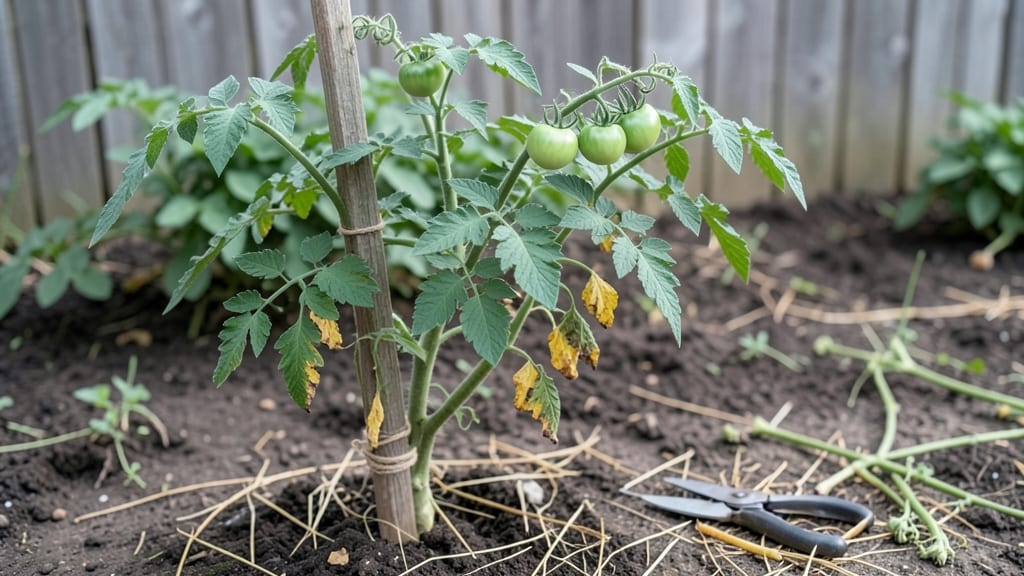
When your tomato plant looks like it’s drowning instead of thriving, this tomato plant fix is your lifeline. I’ve rescued more than a dozen plants from soggy roots by following these three steps—no fancy tools or panic required. The key is acting fast before the roots rot beyond saving.
Most people overwater without realizing it, turning the soil into a swamp that suffocates roots. You’ll need a sharp knife, a clean pot (if repotting), and a well-draining mix—no need for anything else.
The process takes about 20 minutes, and by the end, your plant will start drinking water again instead of drowning in it.
Within 3-5 days, you’ll see new signs of life: firmer stems, brighter leaves, and even the first hints of flower buds. The fix isn’t just a quick bandage—it resets your plant’s health so it keeps growing strong for the rest of the season.
No more wilting or yellowing leaves if you catch it early.
Works for both container and in-ground tomatoes, and the same steps prevent future issues. Here’s exactly how to do it without killing your plants—or your patience.
Root of the Problem
Understanding why your tomato plant’s roots struggle is the first step to saving it. Overwatering, poor drainage, fungal infections, and even compacted soil can suffocate roots, cutting off their access to oxygen and nutrients. Let’s break down the most common causes—and why they happen—so you can tackle them head-on.
Tomato plants need moisture, but too much water is a silent killer. When soil stays soggy for too long, roots suffocate because they can’t absorb oxygen. This triggers anaerobic conditions, where harmful bacteria and fungi thrive, rotting roots and blocking nutrient uptake.
Why it happens:
- Heavy clay soil holds water like a sponge, leaving no room for air.
- Lack of drainage holes in pots traps excess water, drowning roots.
- Overzealous watering (especially in cool weather) prevents evaporation, keeping soil saturated.
- Mulch piled too high can smother stems and trap moisture against the soil.
Actionable sign: Wilting despite wet soil, yellowing leaves, or a foul smell near the base.
Fungi like Phytophthora and Pythium love damp, oxygen-deprived environments. They attack roots, clogging xylem vessels (the plant’s water highways) and causing root rot. Once established, these infections spread quickly, especially in warm, humid conditions.
Why it happens:
- Consistent moisture on leaves or soil creates a fungal highway.
- Old or contaminated soil may already harbor spores.
- Weakened plants (from stress, poor nutrition, or injury) are easier targets.
- Monoculture gardening (growing tomatoes in the same spot yearly) builds up fungal populations.
Actionable sign: Dark, mushy roots; stunted growth; or leaves turning brown and crispy at the edges.
Soil that’s too dense restricts root growth and oxygen flow. Compacted soil often goes hand-in-hand with poor drainage, creating a double whammy for your tomato’s roots. Heavy foot traffic, machinery, or even rain can squeeze soil particles together, leaving roots gasping for air.
Why it happens:
- Clay-heavy soil naturally compacts when wet.
- No organic matter (like compost or aged manure) reduces soil porosity.
- Improper tilling can break up soil structure instead of improving it.
- Construction or heavy equipment nearby compresses the root zone.
Actionable sign: Roots growing in a tight, tangled mass; slow growth; or soil that stays hard even when dry.
Roots need a balanced diet of nitrogen, phosphorus, potassium, and micronutrients to function properly. If soil lacks these, roots weaken, making them vulnerable to disease and stress. Over-fertilizing (especially with synthetic nitrogen) can also burn roots, while phosphorus or potassium deficiencies stunt root development.
Why it happens:
- Poor soil testing leads to guesswork in fertilization.
- Overuse of synthetic fertilizers disrupts microbial life in the soil.
- Acidic or alkaline soil locks out essential nutrients (e.g., phosphorus binds tightly in alkaline soil).
- Depleted soil from repeated planting without replenishment.
Actionable sign: Pale or purple-tinged leaves (nitrogen/phosphorus deficiency); weak, brittle stems; or roots that look stunted or discolored.
Injured roots—from transplant shock, rough handling, or pests—are prime targets for infection and poor recovery. Even minor damage disrupts the root system’s ability to absorb water and nutrients efficiently.
Why it happens:
- Transplanting without root pruning can shock the plant.
- Cultivating too close to the stem severs fine root hairs.
- Pests like cutworms or rodents chew on roots.
- Mechanical damage from weeding tools or tilling.
Actionable sign: Exposed, broken, or chewed roots; sudden wilting after transplanting; or holes in the soil near the base.
Pro Tip: 💡 Healthy roots are white or light tan. Dark, mushy, or smelly roots? That’s your cue to act fast!
Quick Fixes for Waterlogged Tomato Roots
When your tomato plants are struggling from soggy soil, acting fast can save them—and your harvest! Below are practical, step-by-step solutions tailored to the most common causes of drowning roots, plus prevention tips to keep your plants thriving. Let’s turn things around before it’s too late!
Cause: Waterlogged soil from excessive rain, overwatering, or compacted clay.
How to Revive:
- 🔥 Stop Watering Immediately
- Let the soil dry out completely before watering again. Stick your finger 2 inches deep—if it’s damp, wait.
- 🍳 Improve Drainage Fast - Dig a trench around the base of the plant (6 inches deep) to redirect excess water away from roots. - Add organic matter: Mix in compost or coconut coir to loosen heavy soil.
For clay soil, blend in perlite or coarse sand (1 part amendment to 3 parts soil).
- ⏰ Elevate the Plant (Temporary Fix)
- If roots are severely waterlogged, gently mound soil around the stem (like a small hill) to lift roots above saturated areas. Cover with mulch to protect.
Prevention Tips:
- 💡 Use raised beds or containers for better drainage control.
- 🌡️ Water deeply but infrequently—tomatoes hate "wet feet." Aim for 1–1.5 inches per week (adjust for rain).
- ✨ Install a French drain if your garden floods often—bury a perforated pipe surrounded by gravel to channel water away.
Cause: Sudden downpours leave roots suffocating in standing water.
How to Revive:
- 👨🍳 Check for Root Rot
- Gently loosen the top 4–6 inches of soil with a fork. If roots smell rotten or look mushy, trim away blackened sections with sterilized scissors (⏰ do this in dry conditions).
- 🥘 Aerate the Soil
- Poke holes with a trowel 6–8 inches deep around the plant to let air circulate. Add vermiculite or peat moss to help roots breathe.
- 🔪 Prune Affected Foliage
- Yellow or wilted leaves? Snip them off to redirect the plant’s energy to root recovery.
Prevention Tips:
- 🎯 Plant tomatoes on mounds (6–8 inches high) to help water drain faster.
- 🌿 Use mulch (straw or wood chips) to absorb excess moisture and protect soil from compaction.
- 📊 Monitor weather forecasts—if rain is predicted, cover plants with a tarp (weighted down) to reduce water absorption.
Cause: Chronically soggy or nutrient-depleted soil.
How to Revive:
- 🔥 Test Your Soil
- Use a DIY soil test kit (or send a sample to a local extension office) to check pH and drainage. Tomatoes thrive in slightly acidic soil (6.0–6.8).
- 🍳 Build Better Soil Structure
- For clay soil: Mix in gypsum or compost to break up particles.
- For sandy soil: Add aged manure or leaf mold to retain moisture without drowning roots.
- 🌱 Choose Drought-Tolerant Varieties
- If your garden floods often, opt for heirloom tomatoes like ‘Solar Fire’ or ‘Mountain Merit’—they handle moisture stress better.
Prevention Tips:
- 💡 Rotate crops—never plant tomatoes in the same spot year after year (they deplete soil).
- 🌡️ Install a swale (a shallow trench) around the garden to divert water naturally.
- ✨ Use drip irrigation instead of overhead watering to give roots precise hydration.
Pro Tip: 🌿 If all else fails, transplant your tomato to a drier spot! Dig up the plant carefully (keep the root ball intact) and replant in amended soil. Tomatoes are resilient—give them a fresh start!
Frequently asked questions
Why do my tomato leaves turn yellow even when the soil feels dry?
Yellowing leaves often signal root stress from overwatering or poor drainage. Even if the surface feels dry, roots may still be suffocating. Check for root rot by gently lifting the plant—healthy roots are white, while mushy or dark roots need immediate attention. This happens when soil stays wet too long, blocking oxygen.
Can I save a tomato plant with blackened stems at the base?
If the blackening is limited to the stem base and roots are still firm, you may save it! Prune away the blackened tissue with sterilized scissors, then replant in fresh, well-draining soil. Avoid watering for 3-5 days to prevent further rot. If the stem is hollow or collapses easily, the plant is likely beyond saving.
How often should I water tomatoes after fixing waterlogged soil?
After reviving your plant, water only when the top 2 inches of soil are completely dry. Aim for 1-1.5 inches per week, adjusting for rain. Use drip irrigation or water at the base early in the morning to reduce fungal risks. Overwatering is the #1 cause of recurring issues—let the soil dry between waterings!
What’s the fastest way to test if my tomato plant has root rot?
Gently dig around the base and examine the roots. Healthy roots are crisp and white, while rotten roots are mushy, dark, or smell foul. For a quick check, press a finger into the soil—if it stays wet for hours, drainage is poor. Act fast: trim affected roots and replant in fresh, airy soil with perlite or compost.
Will my tomato plant recover if I’ve had soggy roots for over a week?
Recovery is possible but less likely after 7+ days of waterlogging. If leaves are still green and stems firm, try the fix immediately. For severe cases, prune all damaged foliage and transplant to a raised bed with fresh soil. Monitor closely—new growth in 2-3 weeks is a good sign. If no improvement, consider starting fresh with a new plant.