
Watering
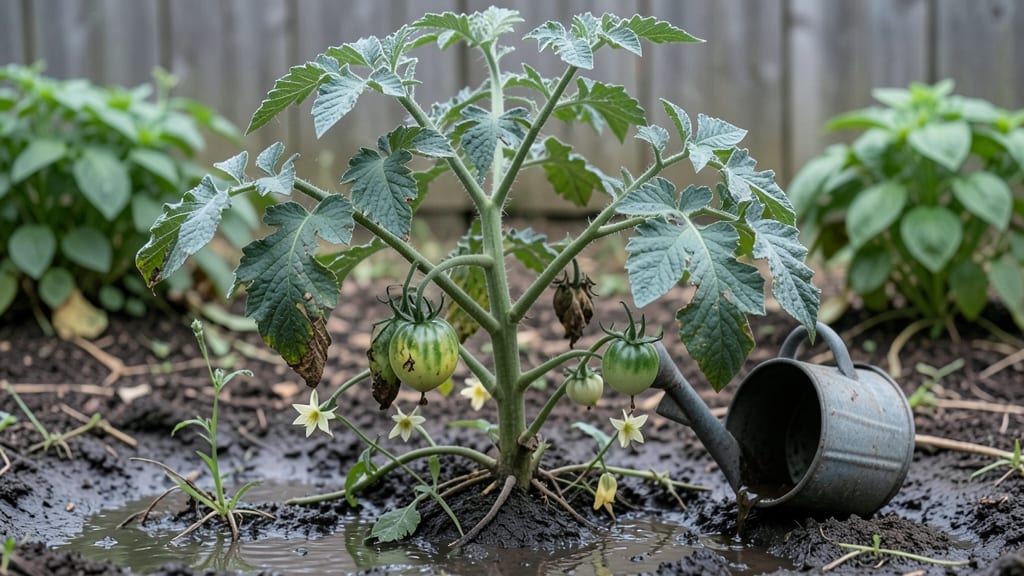
Overwatering your plants doesn’t mean they’re beyond saving—it just means they need a little TLC. I’ve pulled plants back from the brink more times than I can count, and the first step is always the same: stop watering immediately.
That’s right, even if the soil feels dry. The real damage happens when roots suffocate, turning brown and mushy instead of firm and white.
Here’s the thing—most people water on a schedule, but plants drink when they’re thirsty. I check soil moisture with my finger before watering, and I’ve saved countless plants by waiting just one more day.
For succulents and cacti, let the soil dry out completely between waterings, while ferns and hostas can handle slightly moister conditions. The key is matching your watering to the plant’s natural rhythm.
Once you’ve stopped the water flow, the next move depends on how bad the rot is. If the roots are still firm in the center, you can often revive the plant by repotting it in fresh, well-draining soil.
Prune away any yellow or mushy leaves, and place the plant in bright, indirect light. Within a few weeks, you’ll see new growth pushing through, and the plant will bounce back stronger than ever.
Preventing future overwatering is all about observation and patience. Keep a garden journal to track how often you water different plants, and adjust based on what you see. A quick finger test beats any watering schedule—trust me, your plants will thank you for it.
Root Causes Of Too Much Water
Overwatering isn’t just about pouring extra water—it’s a complex interplay of plant biology, environmental factors, and human habits. Understanding the why behind it helps you fix the problem (and prevent it next time). Let’s break down the science-backed reasons your plant might be drowning in its own pot.
🚰 The Problem: Many pots and soil mixes lack proper drainage, trapping excess water at the roots. Without escape routes, oxygen can’t reach the roots, leading to suffocation and rot.
How It Happens:
- Clogged Drainage Holes: If your pot has holes but they’re blocked by debris, compacted soil, or a saucer sitting flush against the bottom, water pools instead of draining.
- Heavy or Compacted Soil: Clay or loamy soils retain moisture longer than sandy or peat-based mixes. If your soil doesn’t have organic matter (like perlite or coconut coir), it acts like a sponge, never releasing water.
- Self-Watering Pots Gone Rogue: These pots are designed to hold water, but if the reservoir isn’t emptied regularly, roots sit in a soggy environment for days.
Actionable Fix: Test your drainage by filling the pot with water—if it doesn’t drain within 10–15 minutes, your setup needs adjustment. Swap heavy soil for a mix with 30–40% perlite or vermiculite to improve aeration.
🌱 The Problem: Not all plants thrive on the same watering schedule. Overwatering often stems from treating every plant like a tropical rainforest dweller, when some (like succulents or cacti) prefer desert-like conditions.
How It Happens:
- Misjudging Thirst Levels: Succulents store water in their leaves and stems, while ferns and calatheas need consistently moist (but not soggy) soil. Watering on a rigid schedule—like every Monday—ignores humidity, temperature, and seasonality.
- Seasonal Shifts: Plants slow down in winter (dormancy) and need 30–50% less water than in summer. Yet, many gardeners keep watering as if spring is eternal.
- Pot Size Mismatch: A small potted snake plant in a 12-inch pot will dry out faster than the same plant in a 2-gallon container. Bigger pots = slower evaporation = more time for water to linger.
Actionable Fix: Research your plant’s native habitat (e.g., desert, rainforest, Mediterranean) to gauge its tolerance. Use the finger test: Stick your index finger 1–2 inches into the soil—if it’s damp, wait. If dry at 2 inches, it’s time to water.
🌧️ The Problem: Humidity, temperature, and airflow directly impact how fast soil dries. High humidity + low light = a recipe for root rot.
How It Happens:
- Humid Climates or Greenhouses: Air saturated with moisture slows evaporation. In a bathroom or kitchen, soil stays damp longer, even if you water less frequently.
- Low Light Conditions: Plants photosynthesize less in shade, reducing their need for water. But if you water them as if they’re in sunlight, excess moisture builds up.
- Poor Air Circulation: Stagnant air around leaves (like in a closed terrarium or crowded shelf) increases humidity near the soil, trapping moisture.
Actionable Fix:
- Boost airflow with a small fan (set to low) near your plants or rearrange them to avoid clustering.
- Adjust watering based on humidity: In dry air (30–40% humidity), water every 5–7 days. In humid air (60%+), stretch it to 10–14 days.
- Move light-sensitive plants closer to a window or supplement with a grow light.
💦 The Problem: Human behavior plays a huge role—whether it’s emotional watering, following outdated advice, or simply not paying attention.
How It Happens:
- Emotional Attachment: Watering a wilting plant out of guilt or love can lead to overcompensation. Roots need oxygen, not a bath!
- Myth of “Topping Off”: Many believe adding a little water to the saucer keeps roots happy, but this creates a wicking effect, pulling moisture back into the soil.
- Automatic Watering Gone Wrong: Self-watering systems or smart pots can malfunction, delivering a slow drip for days. Always check the reservoir.
Actionable Fix:
- Water deeply but infrequently: Soak the soil until water runs out the drainage holes, then wait until the top 1–2 inches are dry.
- Ditch the saucer trick: Empty saucers after watering to prevent roots from sitting in standing water.
- Set reminders: Use a phone alert or app (like PlantNet) to track watering cycles instead of guessing.
Pro Tip: 🌡️ Temperature matters! Cooler temps (below 60°F) slow root activity, so reduce watering. Warmer air (above 75°F) speeds up evaporation—adjust accordingly.
Revive Your Plant With These Fixes
Now that you know the signs of an overwatered plant and the common causes, it’s time to take action! The good news is that many plants can bounce back with the right care.
Below, we’ll break down practical solutions tailored to the most frequent causes of overwatering—so you can rescue your green friend and keep it thriving long-term.
If your plant’s leaves are turning yellow, mushy, or falling off, root rot is likely the culprit. Act fast with these steps:
1️⃣ Remove the Plant from Its Pot 🌿
Gently take the plant out and inspect the roots. Healthy roots are firm and white, while rotten roots are brown, black, or mushy.
2️⃣ Trim the Damaged Roots ⚰️
Use sterilized scissors or pruning shears to cut away any soft, discolored, or slimy roots. Focus on saving as much healthy root structure as possible.
3️⃣ Repot in Fresh, Dry Soil 🏺
- Choose a clean pot with drainage holes (if using the same container, wash it thoroughly).
- Fill the bottom with a layer of perlite, gravel, or orchid bark to improve drainage.
- Use well-draining potting mix (avoid heavy garden soil).
- Plant the roots gently and water lightly only after a few days.
4️⃣ Adjust Your Watering Routine 💧
- Wait until the top 1–2 inches of soil are dry before watering again.
- Water deeply but less frequently—better to underwater slightly than drown the roots.
- Check soil moisture by sticking your finger in—if it’s damp, wait.
💡 Pro Tip: If your plant is severely root-bound, consider repotting into a slightly larger container to give it room to recover.
Wilting can happen when roots are suffocating from excess moisture or poor airflow. Here’s how to revive it:
1️⃣ Let the Soil Dry Out Completely ⏳
- Stop watering immediately and place the plant in a shady spot.
- If the pot feels heavy, it’s likely still too wet—wait until it’s light before watering again.
2️⃣ Improve Airflow & Light 🌞
- Move the plant to a bright, indirect light spot (avoid direct sun until it recovers).
- Increase air circulation by placing a small fan nearby (on low) or moving it to a less humid area.
3️⃣ Prune Damaged Foliage ✂️
- Trim yellow, brown, or mushy leaves to help the plant redirect energy to new growth.
- Use clean scissors and cut at a 45-degree angle just above a leaf node.
4️⃣ Water Only When Necessary 🚰
- Bottom-watering (placing the pot in a tray of water for 10–15 minutes) can help prevent overwatering.
- Avoid misting—this adds extra moisture to the leaves, which can promote fungal issues.
💡 Pro Tip: If your plant is in a plastic or non-breathable pot, switch to terracotta or fabric pots to help soil dry faster.
If you see black spots, mold, or a foul smell, your plant may have a fungal or bacterial infection from overwatering. Here’s how to treat it:
1️⃣ Isolate the Plant 🛑
- Move it away from other plants to prevent the spread of infection.
2️⃣ Clean the Leaves & Pot 🧼
- Wipe leaves with a mild soap solution (1 tsp dish soap + 1 quart water) or rubbing alcohol (70% isopropyl).
- Disinfect the pot with a 10% bleach solution (1 part bleach to 9 parts water), then rinse thoroughly.
3️⃣ Apply a Fungicide 💊
- Use a natural fungicide like:
- Neem oil (mix 1 tsp with 1 quart water + a drop of dish soap as a surfactant).
- Hydrogen peroxide (1 part 3% H₂O₂ to 9 parts water—spray lightly).
- Baking soda spray (1 tsp baking soda + 1 quart water + a few drops of soap).
- Spray the leaves and soil surface, but avoid oversaturating.
4️⃣ Adjust Humidity & Watering 🌡️
- Reduce humidity around the plant (use a dehumidifier or AC if needed).
- Water only when the topsoil is bone-dry and ensure the pot has proper drainage.
💡 Pro Tip: If the infection is severe, repot the plant in fresh, sterile soil and monitor closely for recurrence.
Once your plant is on the mend, prevent future overwatering with these habits:
✅ Use the Finger Test – Stick your finger 1–2 inches into the soil before watering.
If it’s dry, water; if damp, wait. ✅ Upgrade Your Pot – Choose terracotta, ceramic, or fabric pots for better drainage. ✅ Improve Soil Mix – Add perlite, vermiculite, or sand to heavy potting soil for better aeration. ✅ Water in the Morning – This gives plants time to dry out during the day rather than sitting wet overnight. ✅ Group Plants by Needs – Some plants (like succulents) need very little water, while others (like ferns) thrive with moisture. Keep them separate! ✅ Use Self-Watering Indicators – Tools like moisture meters or smart pots can help track soil conditions. ✅ Drainage Matters – Never use saucers without emptying excess water after 10–15 minutes.
Final Thought: Reviving an overwatered plant takes patience and observation, but with these steps, you’ll see new growth in no time! 🌱💚 Once your plant recovers, adjust your care routine to keep it happy and healthy for years to come.
Frequently asked questions
How do I know if my plant is overwatered vs. underwatered?
Check the soil and leaves: overwatered plants have yellow, mushy leaves, soil that smells sour, and roots that feel slimy or black. Underwatered plants show crispy brown edges, dry soil pulling away from the pot, and roots that are dry and brittle. The key difference is root condition—healthy roots should be firm and white.
Can I save a plant with root rot?
Yes, but act fast! Remove the plant, trim away all mushy roots with sterilized scissors, and repot in fresh, well-draining soil with 30% perlite or vermiculite. Water lightly only after a few days and keep the plant in bright, indirect light. Many plants recover fully within 2-4 weeks if the rot wasn't severe.
Why does my plant keep getting overwatered even when I stop?
This usually means your pot or soil isn't draining properly. Test drainage by filling the pot with water—if it doesn't drain within 10-15 minutes, your setup needs fixing. Switch to terracotta pots, add orchid bark to the bottom layer, or use a soil mix with 50% organic matter like coconut coir for better aeration.
Is it better to underwater than overwater plants?
Most plants prefer slightly dry conditions to soggy soil. While underwatering causes stress, overwatering leads to irreversible root rot. The exception is tropical plants like ferns or calatheas, which need consistently moist (not wet) soil. For 90% of houseplants, it's safer to wait until the soil is bone-dry before watering again.
How often should I check my plant's soil moisture?
Check soil moisture every 3-5 days for most houseplants. Use your finger to test 1-2 inches deep—if it's damp, wait. For succulents, check weekly. In winter, reduce checks to every 7-10 days as plants need less water during dormancy. A moisture meter can help track patterns over time.