Pests
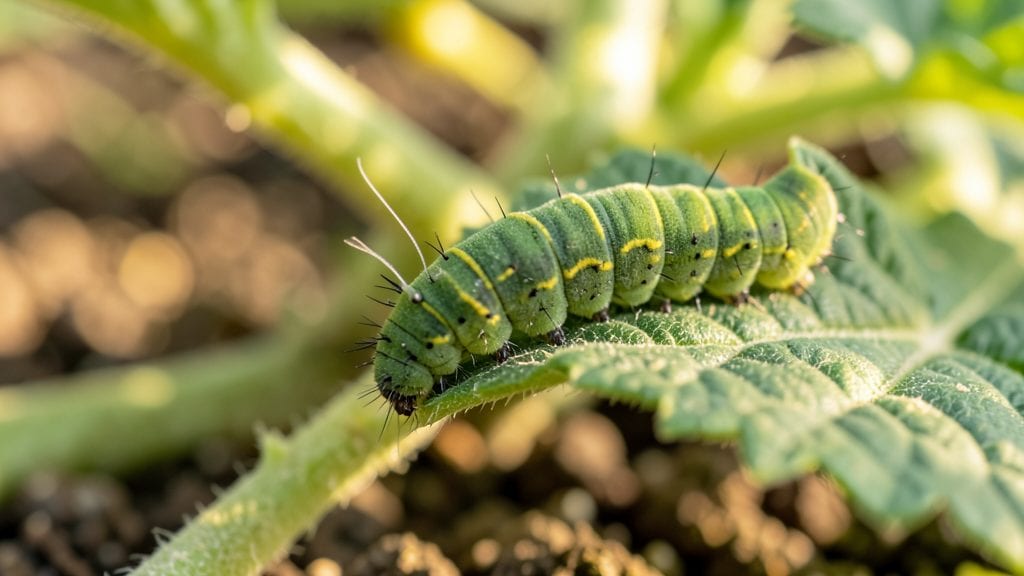
Tomato plant grubs are the silent destroyers lurking in your soil, turning lush vines into skeleton leaves overnight. 🌱 I’ve lost entire harvests to these hungry larvae—wireworms, cutworms, or Colorado potato beetle grubs—before learning the biological fix that actually works.
The problem starts when you notice jagged holes in stems or plants wilting like they’ve been drained, even though the soil looks fine. That’s your cue to dig deeper (literally) before the damage becomes irreversible.
The real fix isn’t just spraying—it’s outsmarting the grubs with their natural predators. Beneficial nematodes, tiny microscopic worms, hunt down and kill grubs without harming your plants or the environment.
You’ll need to apply them at the right time (early morning or evening when soil is moist but not soggy) and water them in well. The results? Fewer chewed leaves, stronger stems, and tomatoes that actually make it to harvest instead of disappearing into the soil.
Here’s the game-changer: this method works even on established plants, not just seedlings. Once you’ve applied the nematodes, keep an eye out for signs of improvement within 10-14 days—new growth will start filling in where grubs once feasted.
The best part? No more digging through your garden to find hidden pests or relying on harsh chemicals that kill everything in their path.
Prevention is key, though. Healthy soil with plenty of organic matter makes plants less appealing to grubs in the first place, and rotating crops every year disrupts their life cycle.
If you’ve already got an infestation, don’t wait—these nematodes are your best shot at saving your tomatoes without sacrificing your garden’s health.
Hidden Invaders Ruining Your Tomatoes
If your tomato plants are suddenly wilting, stunted, or covered in strange holes—despite your best care—you might be dealing with soil-dwelling grubs. These tiny but destructive pests thrive in your garden for specific reasons, often linked to environmental conditions, plant health, and even your gardening habits.
Understanding why they target your tomatoes is the first step in reclaiming your harvest. Let’s break down the key culprits and their sneaky strategies.
Grubs—like those from Colorado potato beetles, cutworms, or root maggots—are opportunistic feeders. They zero in on plants that are already struggling because weak roots and tender stems are easier to invade. Here’s why your tomatoes might be sending out distress signals:
- Nutrient Deficiencies: Tomato plants lacking nitrogen, phosphorus, or potassium produce softer, less resilient tissues. Grubs detect these deficiencies through chemical cues in the soil and roots.
- Overwatering or Poor Drainage: Waterlogged soil creates the perfect grub buffet. Excess moisture weakens roots, making them more susceptible to chewing by larvae. Plus, soggy conditions encourage fungal growth, which further stresses plants.
- Disease or Pest Damage: If your tomatoes are already battling blight, aphids, or spider mites, their defenses are compromised. Grubs smell the chaos—literally. Many pests release volatile organic compounds (VOCs) that signal "easy prey" to grubs.
- Young or Transplanted Plants: Seedlings and newly transplanted tomatoes have delicate root systems that grubs can devour in days. Their high water content makes them a nutrient-rich snack.
💡 Pro Tip: Conduct a soil test before planting. Amend soil with compost or balanced fertilizer (like 10-10-10) to harden your tomatoes’ defenses. Avoid overwatering—aim for 1 inch of water per week unless your soil is sandy.
Grubs aren’t just random pests—they’re temperature-sensitive and thrive in specific conditions. If your garden matches their preferences, you’ll see an explosion of these critters. Here’s what they love:
| Factor | Grub’s Sweet Spot | Why It Matters |
|---|---|---|
| Soil Temperature | 60–85°F (15–29°C) | Grubs hibernate in cold but metabolize rapidly in warm soil. If your spring/summer temps hover here, larvae grow and multiply faster. |
| Moisture Level | Consistently damp (but not waterlogged) | Grubs despise dry soil—they need moisture to breathe through their skins. Mulching keeps soil humid, creating a grub paradise. |
| Organic Matter | High (compost, leaf litter, decaying plants) | Grubs munch on decomposing material. If your garden has lots of old plant debris, they’ll linger longer, waiting for your tomatoes to sprout. |
| Shady or Sheltered Spots | Partial shade or windbreaks | Grubs avoid direct sun, which dries out their environment. They hide in mulch, under boards, or near plant bases. |
✨ Actionable Fix: If your garden is a grub magnet, rotate crops (avoid planting tomatoes in the same spot yearly) and till soil in fall to expose grubs to predators like birds. For heat-loving grubs, use row covers early in the season to block adult beetles from laying eggs.
Many grubs are the larval stage of beetles or moths that time their life cycles to align with vulnerable tomato growth stages. If you’re unaware of their schedule, you might unknowingly invite them to the party. Here’s how it plays out:
- Colorado Potato Beetle Grubs:
- Adults lay eggs on tomato leaves in late spring.
- Larvae hatch in 1–2 weeks and drop to the soil to feast on roots.
- Peak damage occurs when tomatoes are 3–6 weeks old.
- Cutworm Grubs:
- Adult moths lay eggs near low-growing plants (like tomato seedlings).
- Larvae emerge at night and sever stems at soil level.
- Active in cool evenings (50–70°F / 10–21°C).
- Root Maggot Grubs:
- Adult flies lay eggs directly in soil near tomato roots.
- Larvae hatch in 3–5 days and burrow into roots.
- Most destructive when tomatoes are 1–4 weeks old.
🎯 Prevention Hack: Monitor adult beetles/moths in early spring. Use yellow sticky traps to catch them before they lay eggs. For root maggots, apply diatomaceous earth around seedlings to deter egg-laying flies.
Now that you know why grubs are crashing your tomato party, the next step is smart defense. Stay tuned for our deep dive into biological controls—like beneficial nematodes—that outsmart these pests naturally.
Fixing Tomato Plant Grub Damage
Tomato plants can quickly go from thriving to struggling when grubs—like those from Colorado potato beetles or root maggots—invade. But don’t panic! With the right approach, you can restore your plants’ health and prevent future infestations.
Below are targeted solutions based on the most common causes, from quick fixes to long-term prevention.
Before treating, determine whether your grubs are above-ground (e.g., Colorado potato beetle larvae) or below-ground (e.g., root maggots or cutworms). This helps you choose the most effective method.
- Above-ground grubs: Look for chewed leaves, stems, or fruit. Larvae may hide under leaves or in soil near the plant base.
- Below-ground grubs: Check for wilted plants, stunted growth, or visible holes in roots. Dig gently around the base to spot them.
👨🍳 Handpick & Remove Grubs (Best for Small Infestations)
If you catch the problem early, manual removal is the fastest way to save your plants.
- When to do it: Early morning or evening when grubs are sluggish.
- How to do it:
- Above-ground grubs: Use tweezers or gloves to pluck larvae from leaves and stems.
Drop them into soapy water to kill them instantly. - Below-ground grubs: Gently dig around the roots (1–2 inches deep) and pick off larvae. Avoid damaging roots—use a small trowel or your fingers. - Pro tip: 💡 Check daily for 3–5 days, as new eggs may hatch.
Repeat as needed.
🥘 Neem Oil Spray (Organic & Fast-Acting)
Neem oil disrupts grubs’ feeding and growth while being safe for plants (and pets).
- When to use: At the first sign of damage (chewed leaves, wilting).
- How to apply: 1.
Mix 1–2 tbsp neem oil with 1 tsp mild soap in 1 quart of water. 2. Spray thoroughly on leaves, stems, and soil surface (focus on egg-laying spots). 3. Reapply every 5–7 days until grubs are gone. - Pro tip: 🌡️ Best in warm weather (60°F+).
Avoid spraying if rain is forecasted within 24 hours.
🔪 Beneficial Nematodes (Long-Term Biological Control)
For below-ground grubs (like root maggots), beneficial nematodes (Steinernema carpocapsae or Heterorhabditis bacteriophora) are a powerful, chemical-free solution.
- When to apply: Early morning or late evening (they die in direct sunlight).
- How to apply: 1. Water plants deeply 1–2 hours before application.
- Mix 1–2 lbs of nematodes per 100 sq ft in 1–2 gallons of water.
- Apply with a watering can or hose-end sprayer, ensuring soil is moist but not soggy.
- Reapply every 4–6 weeks during grub season (spring to early summer). - Pro tip: ✨ Best for prevention—apply before you see damage for maximum effect.
🌱 Healthy Soil = Stronger Plants Grubs target weak or stressed plants.
Boost your tomatoes’ resilience with: - Compost or aged manure: Adds nutrients and encourages beneficial microbes that outcompete pests. - Mulch with straw or grass clippings: Keeps soil moist and cool, reducing stress and making plants less appealing to grubs. - Crop rotation: Avoid planting tomatoes, potatoes, or eggplants in the same spot for 3–4 years (breaks the grub life cycle).
🐛 Natural Predators: Let Nature Do the Work
Encourage grub-eating allies in your garden:
- Ground beetles: Plant marigolds, dill, or yarrow to attract them.
- Birds: Install a birdhouse or bath—many birds (like robins) love munching grubs.
- Chickens or ducks: If you have poultry, let them free-range in your garden—they’ll devour grubs like a buffet.
🛡️ Barrier Methods (Physical Protection)
- Row covers: Use floating row covers (lightweight fabric) to block adult beetles from laying eggs.
Secure edges with soil or bricks. - Collars for seedlings: Wrap cardboard or aluminum foil collars around young tomato stems to prevent cutworms from chewing them at ground level.
📅 Timing Is Everything: Trap Crops & Early Intervention
- Plant trap crops: Grow potatoes or basil nearby—grubs prefer these over tomatoes.
- Monitor egg masses: Colorado potato beetles lay yellow-orange egg clusters on undersides of leaves. Scrape them off daily with a soft brush.
- Interplant with repellents: Basil, mint, or garlic can deter adult beetles from your tomatoes.
| Time of Year | Action Plan |
|---|---|
| Early Spring | Apply beneficial nematodes to soil. Install row covers. |
| Late Spring | Handpick early grubs. Spray neem oil weekly if needed. |
| Summer | Encourage predators (birds, beetles). Check for new egg masses. |
| Fall | Remove plant debris (grubs overwinter in dead leaves). Add compost to soil. |
Final pro tip: 🎯 Combine methods for best results—e.g., neem oil + nematodes + row covers = a grub-proof tomato fortress! With consistency, your plants will bounce back stronger and produce juicy, pest-free tomatoes all season.
Frequently asked questions
What are the most common signs that my tomato plants have grubs?
Look for chewed leaves with jagged edges, stunted or wilting plants, or holes in stems. Dig around the base—you may find white, C-shaped larvae (grubs) feeding on roots. Above-ground grubs leave behind skeletonized leaves, while below-ground types cause sudden collapse of otherwise healthy-looking plants.
Can I use coffee grounds to deter tomato plant grubs?
Coffee grounds can help repel some pests and improve soil, but they’re not a reliable solution for grubs. The caffeine content may deter adult beetles slightly, but it won’t kill larvae already in the soil. For better results, combine coffee grounds with beneficial nematodes or neem oil for a layered defense.
How do I know if my grubs are from Colorado potato beetles vs. cutworms?
Colorado potato beetle grubs are yellowish-brown with black heads and feed on roots. Cutworm grubs are gray or brown with smooth bodies and sever stems at soil level at night. Check for yellow-orange egg clusters on undersides of leaves (potato beetles) or silver-gray moths flying at dusk (cutworms).
Will beneficial nematodes work if my tomato plants are already severely damaged?
Nematodes can still help, but severe damage may be irreversible. They’ll kill existing grubs within 48 hours of application, but won’t restore lost roots or foliage. Focus on saving healthy parts of the plant and preventing further spread. For established plants, combine nematodes with neem oil and healthy soil amendments to support recovery.
Are there any chemical-free ways to prevent grubs next season?
Yes! Start with crop rotation (avoid planting tomatoes in the same spot for 3+ years). Use row covers early in the season to block adult beetles, and plant companion crops like basil or marigolds to repel pests. Healthy soil with compost and beneficial microbes also makes plants less appealing to grubs.