
Pests
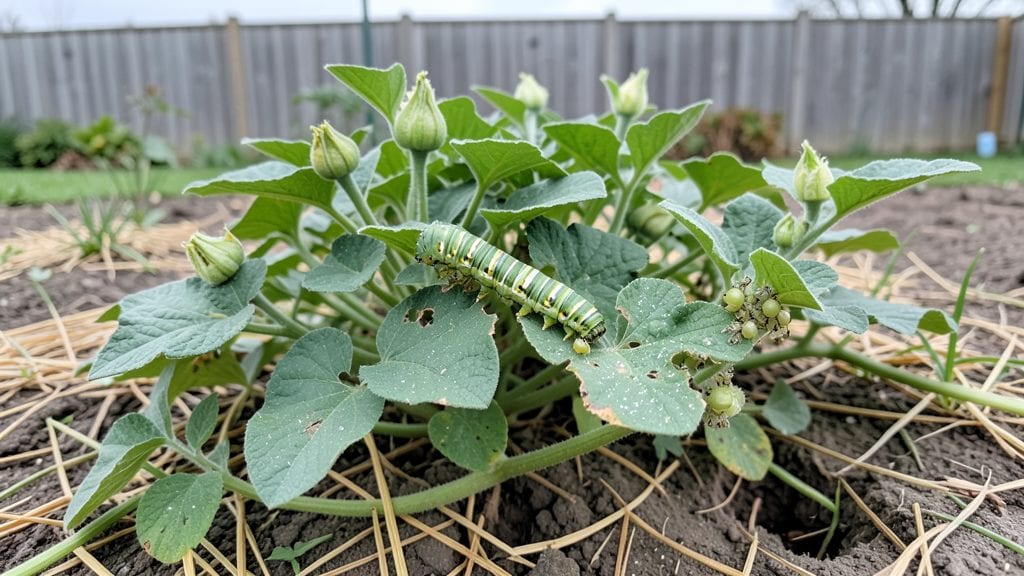
When tomatillo pests like aphids or whiteflies strike, it’s easy to panic—but you don’t need harsh chemicals to save your plants or your soil. 🌱 I’ve battled these tiny invaders in my garden for years, and I’ve learned which methods actually work without poisoning everything in sight.
The key is acting fast with targeted, organic solutions that keep your plants thriving while protecting the good bugs that help them grow.
Most tomatillo pests show up when plants are stressed—whether from drought, overcrowding, or poor soil. Aphids cluster on new growth, leaving sticky residue, while whiteflies flutter away when you disturb the leaves. Fungal issues often appear as yellow spots or mold, especially in humid conditions.
The good news? A few simple adjustments—like proper spacing, regular pruning, and introducing beneficial insects—can cut down on infestations before they take hold.
You’ll start seeing results within days: fewer pests, healthier leaves, and plants that keep producing those tangy, green tomatillos you love. The best part? These methods work for other plants too, so you’re not just fixing one problem—you’re building a stronger garden ecosystem.
Ready to tackle those pests the right way?
Whether you’re dealing with a sudden outbreak or just want to prevent future issues, this approach keeps your garden safe and productive. No more guessing—just effective, humane solutions that actually work. Let’s get those tomatillos back on track!
Root Causes Behind Tomatillo Pests
Tomatillo plants, with their delicate green husks and vibrant salsa potential, can quickly become a buffet for pests if conditions align. Understanding why these critters target your plants is the first step to preventing them—without resorting to harsh chemicals.
Below, we break down the science behind the most common culprits and the environmental triggers that invite them in.
Tomatillos thrive in spacious, well-aerated conditions, but when plants are packed too closely or struggling, they emit distress signals that pests can’t resist. Here’s why:
- Weakened Defenses: Stressed plants produce fewer secondary metabolites (like alkaloids or phenolics) that naturally deter insects. Think of it like a human getting sick after a rough day—your immune system drops, and so does the plant’s.
- Attracting Opportunists: Pests like aphids and whiteflies flock to stressed tomatillos because their sap is easier to access. These insects also excrete honeydew, a sticky substance that lures fungal infections (like sooty mold) and other pests.
- Poor Airflow: Dense foliage traps moisture, creating the perfect humid microclimate for soft-bodied pests like thrips or slugs. Without airflow, fungal spores (e.g., early blight) also thrive, weakening the plant further.
Actionable Fix: Space tomatillos 18–24 inches apart and prune regularly to improve airflow. Mulch lightly (1–2 inches) to retain moisture without suffocating roots.
Pests aren’t just random; they’re drawn to plants with specific nutritional weaknesses. Tomatillos, in particular, suffer when their diet is off-kilter:
| Nutrient Deficiency | Pests Attracted | Why It Happens |
|---|---|---|
| Nitrogen (N) deficiency | Cabbage loopers, cutworms | Low nitrogen makes leaves less tough, making them easier for chewing pests to devour. These insects also target young, tender growth that’s high in water but low in protective compounds. |
| Potassium (K) deficiency | Aphids, spider mites | Potassium strengthens cell walls and regulates water balance. Without it, plants wilt easily, and pests exploit the high sugar content in stressed leaves. |
| Calcium (Ca) deficiency | Slugs, snails | Calcium-deficient tomatillos develop blossom-end rot and weak stems—both signals to slugs that the plant is easy to consume. |
Actionable Fix: Test your soil and amend with balanced fertilizer (10-10-10) at planting, then top-dress with compost or wood ash (for calcium) mid-season. Avoid over-fertilizing with nitrogen, which can attract more chewing pests.
Tomatillos are tropical at heart, but their ideal growing conditions also create a pest paradise. Here’s how weather patterns set the stage:
- Excess Moisture: Tomatillos love consistent water, but overhead irrigation or poor drainage leads to:
- Fungal gnats (larvae thrive in soggy soil).
- Slugs and snails (they need moisture to move and lay eggs).
- Bacterial soft rot (weakens plants, making them vulnerable to secondary pests).
- High Heat + Low Humidity: Dry conditions may seem ideal, but they stress plants, making them more susceptible to spider mites (which thrive in dry, dusty environments).
- Sudden Temperature Shifts: Tomatillos dislike cold snaps (below 50°F) or heatwaves (above 90°F). Stress from temperature swings reduces chlorophyll production, turning leaves pale—an open invitation for leaf miners and whiteflies.
Actionable Fix:
- Water deeply at the base (1–1.5 inches per week) and avoid wetting foliage.
- Use drip irrigation or soaker hoses to keep leaves dry.
- Mulch with straw or grass clippings to regulate soil temperature and retain moisture.
Not all garden neighbors are helpful—some actively attract pests to your tomatillos. Here’s how:
- Attracting Beneficials… and Their Predators: While marigolds repel some pests, planting them too close can attract parasitic wasps that may also target your tomatillos’ pollinators.
- Pest Magnets Nearby:
- Basil near tomatillos can repel mosquitoes but may also attract whiteflies if overwatered.
- Cabbage family plants (like kale) nearby can draw cabbage loopers, which will migrate to your tomatillos.
- Weeds as Pest Hotels: Uncontrolled weeds (especially dandelions or nettles) harbor aphids, slugs, and earwigs, which will eventually invade your tomatillos.
Actionable Fix: Choose companion plants wisely—opt for onions, garlic, or cilantro (which repel pests without attracting others). Keep weeds trimmed within a 3-foot radius of your tomatillos.
By addressing these root causes—stress, nutrition, climate, and companionship—you’ll make your tomatillo patch far less appealing to pests. The key is proactive care, not just reactive sprays. 🌱
Fix Tomatillo Plant Problems Fast
When pests invade your tomatillo plants, quick action is key—but you don’t need harsh chemicals to win the battle. Below are targeted, humane solutions for common pests, paired with prevention tips to keep your plants thriving.
Think of these as your go-to troubleshooting guide, whether you’re dealing with chewers, suckers, or leaf-munching invaders.
Signs: Irregular holes in leaves, silvery slime trails at dawn, missing fruit.
How to Fix It: 🔥 Remove by Hand – Go out early morning (before they hide) with a flashlight and collect them in a bucket of soapy water. Pro tip: Use a beer trap (bury a shallow dish filled with beer near plants—slugs crawl in and drown).
🍳 Natural Barriers – Create a physical block with:
- Crushed eggshells or diatomaceous earth (food-grade only!) around the base of plants.
- Copper tape (available at garden centers) wrapped around containers or raised beds—slugs get a mild electric shock and avoid it.
👨🍳 Cultural Controls – Keep the garden dry at night (slugs love moisture) and mulch with straw or pine needles instead of thick organic matter, which attracts them.
Signs: Sticky residue (honeydew) on leaves, tiny flying insects when disturbed, curled or yellowing foliage.
How to Fix It: 🔥 Blast Them Off – Use a strong stream of water from a hose to knock them off leaves. Repeat every 2–3 days until gone.
🍳 Homemade Spray – Mix 1 tsp mild liquid soap + 1 tsp neem oil + 1 quart water in a spray bottle. Test on a small leaf first, then spray undersides of leaves (where they hide). Reapply every 5–7 days.
👨🍳 Encourage Predators – Ladybugs, lacewings, and parasitic wasps love aphids. Plant dill, fennel, or marigolds nearby to attract them naturally.
💡 Prevention Tip: Avoid over-fertilizing with nitrogen—aphids thrive on tender, fast-growing plants.
Signs: Fine webbing on leaves, stippled or discolored foliage, especially in dry, hot weather.
How to Fix It: 🔥 Increase Humidity – Spider mites hate moisture. Mist plants daily or place a tray of water near them to raise humidity.
🍳 Neem Oil Rescue – Spray leaves with a 1% neem oil solution (1 tbsp neem oil + 1 tsp soap per quart of water). Repeat every 5–7 days until mites disappear.
👨🍳 Predatory Mites Release – Buy phytoseiulus persimilis (beneficial mites) from garden stores and release them on infested plants. They’ll eat spider mites within days!
🌡️ Prevention Tip: Keep plants well-watered—drought stress attracts spider mites.
Signs: Young plants suddenly snap at the base, holes in stems, or worms hiding in soil during the day.
How to Fix It: 🔥 Collar Protection – Wrap the base of seedlings with cardboard or aluminum foil collars (bury 1–2 inches deep) to block cutworms from chewing.
🍳 Nighttime Patrol – Shine a flashlight around plants at dusk and handpick worms (drop them in soapy water).
👨🍳 Diatomaceous Earth Barrier – Sprinkle food-grade diatomaceous earth around the soil surface (reapply after rain).
✨ Prevention Tip: Avoid overwatering—cutworms thrive in damp soil.
Signs: Tiny holes in leaves resembling shotgun pellets, usually on younger leaves.
How to Fix It: 🔥 Row Covers – Use fine mesh fabric to cover seedlings until they’re established (remove when flowers appear to allow pollinators).
🍳 Yellow Sticky Traps – Hang yellow cards coated with petroleum jelly near plants to trap adult beetles.
👨🍳 Interplant with Traps – Grow radishes or nasturtiums nearby—flea beetles prefer these over tomatillos.
🎯 Prevention Tip: Plant tomatillos late in the season (after the worst beetle activity has passed).
Remember: Consistency is key! Check plants regularly, especially after rain or when new growth appears. With these humane methods, your tomatillos will bounce back—and you’ll avoid harming your soil or beneficial insects.
Frequently asked questions
What are the most common pests that attack tomatillo plants?
The top culprits include aphids (clustered on new growth), whiteflies (visible when leaves are shaken), slugs/snails (silvery trails at dawn), spider mites (fine webbing on undersides), and cutworms (chewed stems at soil level). Fungal issues like early blight also appear as brown spots, especially in humid conditions.
How can I tell if my tomatillos have fungal problems instead of pest damage?
Fungal damage usually shows as yellow/brown spots with white or gray mold on undersides (early blight) or soft, mushy fruit (bacterial rot). Pest damage looks like holes, webbing, or sticky residue—never fuzzy growth. Check leaf undersides and stems first for clues.
Will neem oil work on all tomatillo pests?
Neem oil is excellent for aphids, whiteflies, and spider mites but won't kill slugs or cutworms. For soft-bodied pests, mix 1 tsp neem oil + 1 tsp soap per quart of water and spray undersides. Reapply every 5-7 days until pests disappear. Always test on a small leaf first!
Can I save my tomatillos if they're already heavily infested?
Yes! Start with immediate removal of visible pests (drop in soapy water) and prune heavily damaged leaves. Apply beneficial nematodes for soil pests or predatory mites for spider mites. For fungal issues, remove affected plants and treat remaining ones with copper fungicide. Recovery takes 2-3 weeks with consistent care.
Are there any companion plants that actually help repel tomatillo pests?
Plant onions, garlic, or cilantro nearby to deter aphids and whiteflies. Marigolds confuse pests with their scent, while basil repels mosquitoes (though it may attract whiteflies if overwatered). Avoid planting near cabbage family plants, which attract similar pests that'll migrate to your tomatillos.