Pests
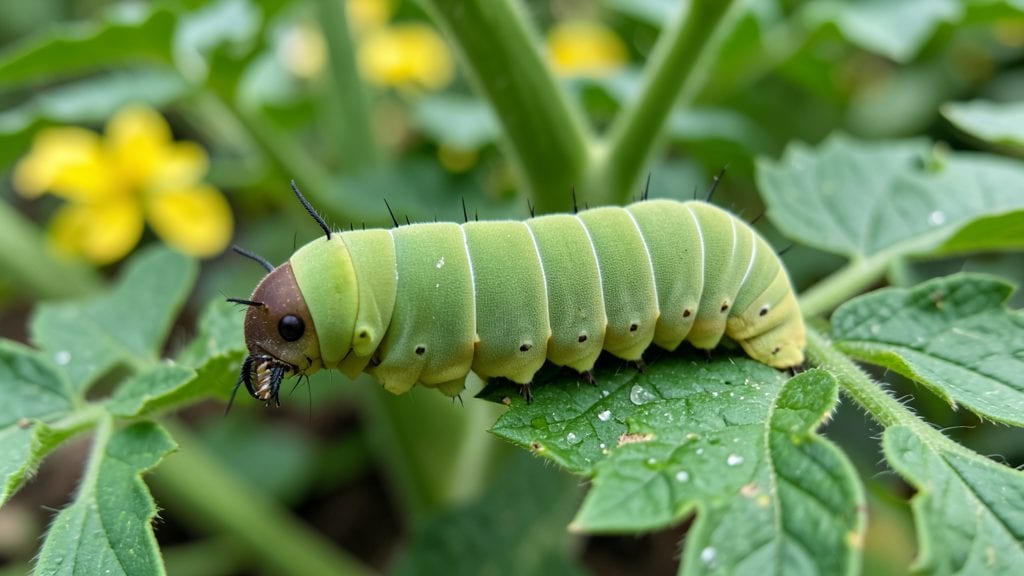
Tomato plant caterpillars can strip your harvest in days if you don’t act fast. 🌱 I’ve watched entire tomato plants go from lush to skeletonized in just a few days—until I learned how to remove them without crushing the plant or inviting more pests.
The key is knowing exactly when to pluck them and how to discourage their return.
Most caterpillars—like tomato hornworms—are easy to spot once you know what to look for: jagged holes in leaves, black droppings, and the wriggly green bodies hiding under foliage. The good news?
You don’t need harsh chemicals to stop them. A simple handpick or soapy water spray works wonders, and it keeps your garden safe for bees and butterflies too.
By the end of this, you’ll have a foolproof system to protect your tomatoes while keeping your garden thriving. No more lost harvests—just healthy plants and a satisfying sense of control. Here’s how to make it happen without stressing your plants or your conscience.
Works for all tomato varieties, from cherry to beefsteak, and fits into any garden routine. Let’s get those caterpillars under control the right way.
Root Causes Of Caterpillar Attacks
Caterpillars don’t just randomly invade your tomato plants—they’re drawn by a mix of environmental cues, plant chemistry, and their own survival instincts. Understanding these triggers helps you disrupt their cycle before they cause real damage. Here’s why these tiny pests target your tomatoes so aggressively:
Tomato plants emit volatile organic compounds (VOCs)—natural chemical signals that caterpillars (like hornworms and tomato fruitworms) detect from miles away.
These compounds include: - Green leaf volatiles (GLVs): Released when leaves are damaged, they act like a dinner bell, signaling "easy prey." - Sugary nectar & sap: Mature tomato plants produce sticky secretions that caterpillars crave as a high-energy snack. - Alkaloids in leaves: While some alkaloids deter pests, certain tomato varieties (like heirlooms) have lower defenses, making them prime targets.
💡 Pro Tip: If your tomatoes are thriving (lush green, lots of flowers), they’re more appealing to caterpillars. Balance growth with pest deterrents like neem oil or companion planting (basil, marigolds).
Caterpillars thrive in warm, humid microclimates—the same conditions that make tomatoes grow fast. Key factors: - Temperature (70–85°F): Eggs hatch faster in heat, and larvae grow rapidly. Cooler nights slow them down. - Moisture: High humidity keeps eggs from drying out and speeds up larval development.
Drip irrigation (instead of overhead watering) can reduce humidity near plants. - Sheltered spots: Dense foliage or windbreaks provide hiding places for caterpillars to avoid predators like birds or parasitic wasps.
✨ Actionable Fix: Prune lower leaves to improve airflow, and avoid overwatering at night to lower humidity.
Caterpillars are opportunistic feeders, and their life stages align with tomato growth:
- Egg stage (3–7 days): Females lay eggs on the underside of leaves, often near stems. They’re tiny (1mm) and blend in—easy to miss.
- Larval stage (2–3 weeks): Newly hatched caterpillars start munching immediately.
They grow from ¼-inch to 4 inches in weeks, devouring leaves, stems, and fruit. 3. Pupation: When full-grown, they drop to the soil to pupate, emerging as moths to repeat the cycle.
🔥 Critical Window: The first 48 hours after eggs hatch are when caterpillars do the most damage. Early scouting (check leaves daily) is key.
Healthy ecosystems keep caterpillar populations in check—but human activity often throws this balance off:
- Pesticide use: Even "safe" sprays can kill beneficial insects like ladybugs, lacewings, and parasitic wasps, which prey on caterpillar eggs/larvae.
- Monoculture gardening: Planting only tomatoes removes diversity, so predators have fewer food sources.
- Urbanization: Fewer wildflower meadows mean fewer pollinators and natural pest controllers.
🌡️ Solution: Introduce predator-friendly plants (dill, fennel, alyssum) or install beneficial nematodes (Steinernema carpocapsae) to target larvae naturally.
Mature tomatoes (especially green or ripening fruit) are caterpillar magnets because:
- Thicker skin: Harder for predators to penetrate, but caterpillars chew through easily.
- Sugar content: Ripe tomatoes release sugars that attract moths to lay eggs nearby.
- Warmth: Sun-exposed fruit creates a cozy environment for larvae to burrow inside.
🍳 Prevention: Harvest tomatoes as soon as they ripen, and use row covers on young plants to block moths before they lay eggs.
Sometimes, gardeners accidentally invite caterpillars:
- Over-fertilizing nitrogen: Leads to soft, tender leaves—easier to digest than tough, healthy foliage.
- Ignoring plant stress: Wilting or diseased plants attract pests looking for weak hosts.
- Compost piles near plants: Decaying organic matter can harbor moths waiting to lay eggs.
🎯 Fix: Use balanced fertilizers (low nitrogen) and remove plant debris promptly to break their breeding cycle.
Quick Fixes for Wormy Tomatoes
When caterpillars invade your tomato plants, swift action is key—but you don’t need harsh chemicals to win the battle. Below are practical, plant-safe solutions tailored to the most common causes of caterpillar damage, from early detection to long-term prevention.
Each method is designed to be effective, humane, and easy to implement, whether you’re a seasoned gardener or just starting out.
If you’ve spotted chewed leaves, silken webs, or wriggling larvae, act immediately to minimize damage.
🔥 Handpick & Relocate (Best for Small Infestations)
How to do it:
- Go early in the morning when caterpillars are sluggish (they’re easier to spot and remove).
- Wear gloves (some caterpillars, like tomato hornworms, have tiny hairs that can irritate skin).
- Look under leaves and along stems—common hiding spots include: - The undersides of leaves (especially near veins). - Inside rolled or curled leaves. - Near flower clusters (a favorite spot for hornworms).
- Gently pluck the caterpillars with your fingers or a pair of tongs.
- Drop them into soapy water (1 tbsp dish soap per gallon of water) to kill them humanely, or relocate them far from your garden (at least 10+ feet away) in a bucket with air holes.
Pro tip: 💡 If you’re squeamish about touching them, use a damp paper towel to wipe them off leaves—then dispose of the towel in a sealed bag.
🍳 DIY Sprays (Non-Toxic & Effective)
For larger infestations or when handpicking isn’t enough, these sprays disrupt caterpillars’ feeding habits without harming your plants.
| Solution | How to Use | Best For |
|---|---|---|
| Neem Oil Spray | Mix 1 tbsp neem oil + 1 tsp mild soap in 1 quart of water. Spray evenly on leaves (top and bottom). Repeat every 5–7 days. | Early-stage infestations, prevention |
| Bacillus Thuringiensis (Bt) | Sprinkle Bt powder (a natural bacteria) on leaves or mix with water for a spray. Caterpillars stop eating within hours. | Hornworms, loopers, cutworms |
| Garlic & Pepper Spray | Blend 2 garlic cloves + 1 tsp cayenne pepper + 1 quart water. Strain and spray. Reapply after rain. | General deterrent, mild repellent |
Pro tip: 🌡️ Timing matters! Apply sprays early in the day to avoid harming beneficial insects like bees. Avoid spraying in direct sunlight (it can burn leaves).
👨🍳 Physical Barriers (Prevent Entry)
If caterpillars are already a recurring problem, block their access with these simple tricks.
- Row Covers or Lightweight Fabric
- Drape floating row covers (fine mesh) over young plants to prevent moths (caterpillar parents) from laying eggs.
- Secure edges with soil or bricks to keep them in place.
- Remove covers when plants flower to allow pollinators access.
- Collars for Stems
- Cut toilet paper rolls or cardboard tubes into 2-inch rings.
- Slip them around seedlings or young plants to block cutworms from chewing stems at night.
- Remove once plants are established (4–6 weeks old).
- Sticky Traps for Moths
- Hang yellow sticky traps near plants to catch adult moths before they lay eggs.
- Place traps at eye level for best results.
The best defense is a healthy, unwelcoming garden. Use these strategies to make your tomato plants less appealing to pests.
🔪 Encourage Natural Predators
Caterpillars have many enemies in the garden—attract them to do the dirty work for you!
- Ladybugs & Lacewings – Eat aphids and small caterpillars. Plant dill, fennel, or yarrow to attract them. - Parasitic Wasps – Lay eggs inside caterpillars (they’re harmless to humans!).
Avoid pesticides to keep them around. - Birds & Bats – Install a birdhouse or bat box to encourage nighttime caterpillar hunters.
Pro tip: ✨ Plant companion flowers like marigolds, nasturtiums, or basil near tomatoes—their strong scents repel moths.
🌡️ Garden Hygiene & Rotation
Caterpillars thrive in cluttered, nutrient-rich gardens. Break the cycle with these habits:
- Clean up debris after harvest—fallen leaves and stems harbor eggs.
- Rotate planting locations every 2–3 years to disrupt caterpillar life cycles.
- Avoid over-fertilizing with nitrogen—lush, soft leaves are a caterpillar’s dream buffet!
Final thought: With a mix of quick removal, smart sprays, and preventive care, you can keep your tomato plants caterpillar-free without resorting to chemicals. Stay vigilant, act fast, and let nature help you win! 🍅🚫🐛
Frequently asked questions
What are the most common types of caterpillars that attack tomato plants?
The two most destructive culprits are tomato hornworms (large green caterpillars with white stripes) and tomato fruitworms (smaller, green or brown). Both can defoliate plants in days, but hornworms are especially aggressive—they can grow up to 4 inches in just a few weeks!
How do I know if my tomato plant has caterpillars before I see them?
Watch for jagged holes in leaves, black droppings (frass) on foliage, or silken webs near growing tips. Early signs also include chewed flower buds or small tunnels in stems. Check the undersides of leaves daily—caterpillars hide there to avoid predators.
Is it safe to use dish soap to kill caterpillars on tomatoes?
Yes! Mix 1 tablespoon of mild dish soap with 1 gallon of water and spray directly on caterpillars. The soap disrupts their protective coating, causing dehydration. Test on a small leaf first—some plants are sensitive to high soap concentrations.
Can I save a tomato already infested with caterpillars?
If you find caterpillars inside a tomato, cut out the damaged section and discard it immediately. For small holes, you can try sealing the wound with petroleum jelly (like Vaseline) to prevent rot. However, heavily damaged fruit should be removed to stop the spread of eggs.
Will neem oil work if my tomato plants are already heavily damaged?
Neem oil is most effective as a preventive measure, but it can still help stop further damage. For severe infestations, combine it with handpicking and introduce natural predators like parasitic wasps. Apply neem oil in the evening to protect bees and other pollinators.