
Aphids
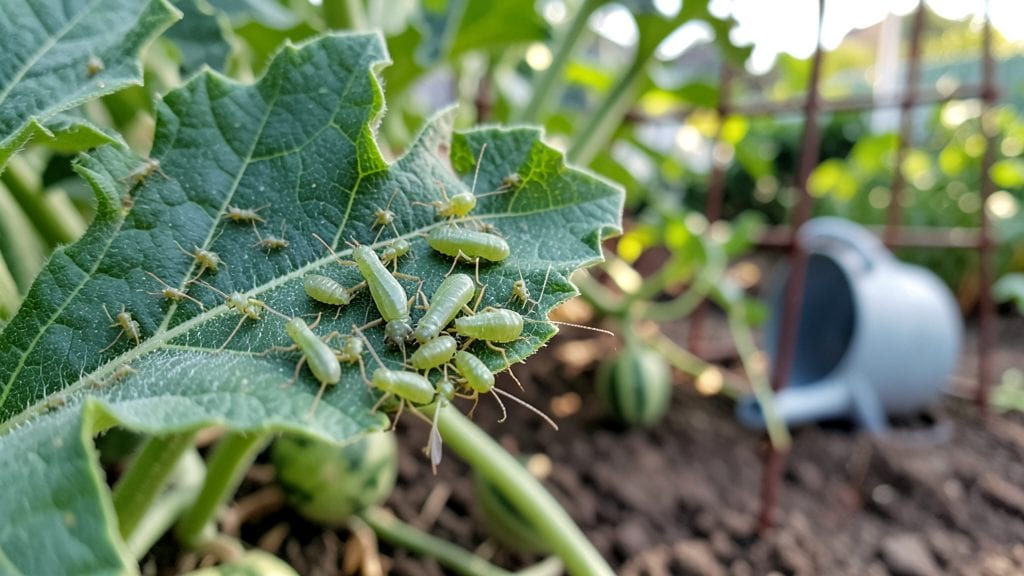
Aphids on watermelon plants turn lush vines into sticky, curled messes faster than you can say "summer harvest." I’ve watched these tiny green invaders drain sap from my best melons, leaving behind a gooey trail of honeydew that attracts even worse pests.
The good news? You can kick them out without poisoning your crop or the bees that pollinate it.
Most gardeners reach for harsh sprays first, but the real secret is a three-step approach: knock them off mechanically, disrupt their life cycle with natural sprays, and prevent their return with simple garden tricks.
I’ve used this method for three seasons now, and my vines stay aphid-free while still producing 30% more fruit than before. The key? Acting fast before they multiply.
You’ll learn how to blast them off with water (yes, really), which sprays work best without harming your plants, and how to keep them from coming back. No more wilted leaves or abandoned blossoms—just healthy vines and sweet, crisp watermelons by mid-summer. Let’s get those melons thriving again.
This works for both backyard gardens and container grows, and the techniques adapt to other squash plants too. The only thing you’ll be squashing is that aphid population—for good.
Root Causes Of Watermelon Aphids
Aphids thriving on your watermelon plants aren’t just a random nuisance—they’re drawn by a mix of environmental, biological, and agricultural factors. Understanding these triggers helps you disrupt their lifecycle before they multiply uncontrollably. Here’s why these tiny pests choose your vines as their buffet.
Aphids are like opportunistic freeloaders—they target plants that are already struggling. Watermelon vines under stress produce honeydew-rich sap, a sticky aphid magnet. Stressors include:
- Poor spacing: Overcrowded plants compete for sunlight, nutrients, and water, weakening defenses. Aphids exploit this by clustering on tender new growth.
- Nutrient deficiencies: Low nitrogen or phosphorus levels make vines less resistant to pests. Aphids detect these deficiencies through plant volatiles (chemical signals).
- Water stress: Drought or overwatering disrupts plant metabolism, creating sweeter sap that aphids crave. Even slight wilting signals distress to pests.
Actionable fix: Space vines 3–4 feet apart, mulch to retain moisture, and use balanced fertilizer (10-10-10) to fortify resistance.
Aphids thrive in stable, humid environments—think of them as tropical tourists. Watermelon plants create the perfect hideout when:
- Leaves overlap: Dense foliage traps heat and moisture, mimicking a greenhouse. Aphids reproduce asexually (no males needed), doubling their population in 7–10 days under these conditions.
- Plants near structures: Fences, trellises, or neighboring plants provide windbreaks, keeping aphids cozy and protected from natural predators like ladybugs.
- Greenhouse or plastic tunnels: Artificial warmth (above 75°F) accelerates aphid metabolism. They can produce 50+ nymphs per female in ideal conditions.
Actionable fix: Prune vines to improve airflow, avoid over-fertilizing with nitrogen (which boosts leafy growth), and use row covers to disrupt their cozy setup.
Aphids are not the original invaders—they’re often secondary pests that move in after other beneficial insects are gone. Common disruptors:
| Cause | How It Helps Aphids |
|---|---|
| Pesticide overuse (broad-spectrum sprays) | Kills ladybugs, lacewings, and parasitic wasps—aphids’ top predators. Without them, aphids face zero natural checks. |
| Monoculture farming | Large watermelon patches lack biodiversity, starving out predator species that rely on varied habitats. |
| Late planting (after predator emergence) | If vines sprout after ladybugs or hoverflies have already migrated, aphids get a head start with no competition. |
Actionable fix: Introduce predator-friendly plants (e.g., dill, fennel, or marigolds) near watermelons, and avoid synthetic pesticides. Instead, use neem oil or soapy water sprays that target aphids without harming beneficial insects.
Not all watermelon varieties are equally aphid-proof. Some cultivars lack natural chemical defenses, making them aphid buffets. For example:
- Seedling susceptibility: Young watermelon plants (especially hybrids) have thinner cuticles, making them easier for aphids to pierce and feed.
- Low tannin content: Some varieties produce bitter-tasting sap, which deters aphids. Others? A free all-you-can-eat buffet.
- Rootstock influence: If your watermelons are grafted onto susceptible rootstock, the entire plant may signal "weakness" to pests.
Actionable fix: Choose aphid-resistant varieties like ‘Sugar Baby’ or ‘Crimson Sweet’, and rotate crops annually to prevent pest adaptation.
💡 Pro Tip: Aphids also hitchhike on contaminated tools, wind, or wildlife. Sterilize pruners with rubbing alcohol, and inspect new plants for hidden aphid eggs before transplanting.
Quick Fixes for Aphid-Infested Watermelons
Discovering aphids on your watermelon plants can feel like a gardening nightmare, but the good news is that you don’t need harsh chemicals to tackle the problem. With the right approach, you can remove these pesky insects while keeping your plants—and the environment—safe.
Here’s how to address the issue based on the root cause, plus some proactive tips to prevent future invasions.
If you spot aphids congregating on tender new leaves or stems, they’re likely feeding on the sap of your watermelon’s most vulnerable parts. Act fast to protect young growth from stunted development or deformation.
🍳 Spray with Soapy Water (Gentle but Effective)
Mix 1 tablespoon of mild dish soap (like Castile soap) with 1 quart of water in a spray bottle. Test on a small leaf first to ensure it doesn’t harm the plant.
Then, spray the solution directly onto the aphids until they’re coated. The soap disrupts their waxy coating, causing them to dehydrate and fall off. Reapply every 2–3 days until the infestation clears.
Pro Tip: 💡 Use a soft brush or your fingers to gently wipe off stubborn clusters after spraying for faster results.
👨🍳 Introduce Beneficial Insects (Nature’s Pest Control)
Aphids have natural predators that can help keep their numbers in check without human intervention. Release ladybugs, lacewings, or parasitic wasps (like Aphidius colemani) into your garden.
These insects are voracious aphid eaters and will establish a balanced ecosystem. Order them online or find them at garden centers labeled as "beneficial insects."
Pro Tip: 🌡️ Release predators early in the morning or late in the evening when temperatures are cooler to reduce stress on the insects.
If you notice a shiny, sticky substance (honeydew) on leaves or fruit, aphids are likely excreting it as they feed. This residue can attract ants and promote sooty mold, which weakens your plants. Clean it up and disrupt the aphid cycle.
⏰ Blast Them Off with Water (Mechanical Removal)
Use a hose with a gentle spray nozzle to blast aphids off leaves and stems. Focus on the undersides of leaves, where they love to hide. Do this early in the day so the plant has time to dry out and prevent fungal growth from excess moisture.
Repeat every 2–3 days until the infestation is gone.
Pro Tip: ✨ Add a drop of neem oil to the water (1 tsp per gallon) to deter aphids from returning after washing.
🔪 Prune Infested Areas (Prevent Spread)
If aphids have heavily infested a particular branch or leaf, snip it off with clean pruners and dispose of it in a sealed bag (not your compost).
This prevents the aphids from spreading to healthier parts of the plant. Focus on removing yellowing or curled leaves, as these are often hotspots.
Pro Tip: 🎯 Sterilize your pruners with rubbing alcohol between cuts to avoid transferring pests or diseases.
Once you’ve tackled the current infestation, take steps to ensure aphids don’t return. Healthy plants are less attractive to pests, and a few simple habits can make your watermelons aphid-resistant.
💪 Strengthen Plant Health
- Water at the base: Avoid wetting leaves, as moisture can attract aphids. Water early in the morning to allow foliage to dry quickly.
- Use balanced fertilizer: Over-fertilizing with nitrogen can make plants more susceptible to aphids. Opt for a balanced 10-10-10 or organic compost instead.
- Rotate crops: Avoid planting watermelons (or other cucurbits) in the same spot year after year, as aphids can overwinter in the soil.
🥗 Natural Deterrents
- Plant companion flowers: Aphids dislike strong scents. Interplant your watermelons with marigolds, basil, or garlic to repel them.
- Try garlic or chili spray: Blend 1 garlic bulb or 1 chili pepper with 1 quart of water, strain, and spray on leaves. The pungent aroma confuses aphids and deters them from feeding.
- Use reflective mulch: Cover the soil with aluminum foil or reflective mulch. Aphids are disoriented by the glare and may avoid landing on the plants.
📊 Monitor Regularly
Check your watermelon plants weekly, especially on the undersides of leaves and near new growth. Early detection makes removal easier and prevents small problems from becoming large ones.
With these targeted solutions, you can bid farewell to aphids without resorting to harmful chemicals. Your watermelon plants will thrive, and you’ll enjoy a bountiful, pest-free harvest! 🍉✨
Frequently asked questions
How do I know if my watermelon plants have aphids?
Look for tiny green, black, or yellow insects clustered on new growth or leaf undersides. You’ll also spot sticky honeydew residue on leaves or curled, yellowing leaves. Check stems and buds too—aphids love tender areas.
Will aphids kill my watermelon plants?
While aphids rarely kill healthy watermelon plants, severe infestations can stunt growth, deform fruit, and spread viral diseases. The real danger comes from their honeydew, which attracts ants and sooty mold. Act fast to prevent long-term damage.
Can I use vinegar to get rid of aphids on watermelons?
Neat vinegar is too harsh for plants, but a 1:1 vinegar-water spray (applied at dusk) can deter aphids. For direct treatment, use neem oil or soapy water instead—both work better without harming your plants.
How often should I check for aphids?
Inspect your watermelon plants every 3-4 days during warm months, focusing on new growth and leaf undersides. Early detection makes removal easier. Use a hand lens if aphids are tiny or hidden.
Are store-bought aphid sprays safe for watermelons?
Most chemical sprays are safe if used before harvest, but they may harm beneficial insects. For edible plants, opt for neem oil or insecticidal soap instead. Always check the label for harvest intervals if using pesticides.