
Landscaping
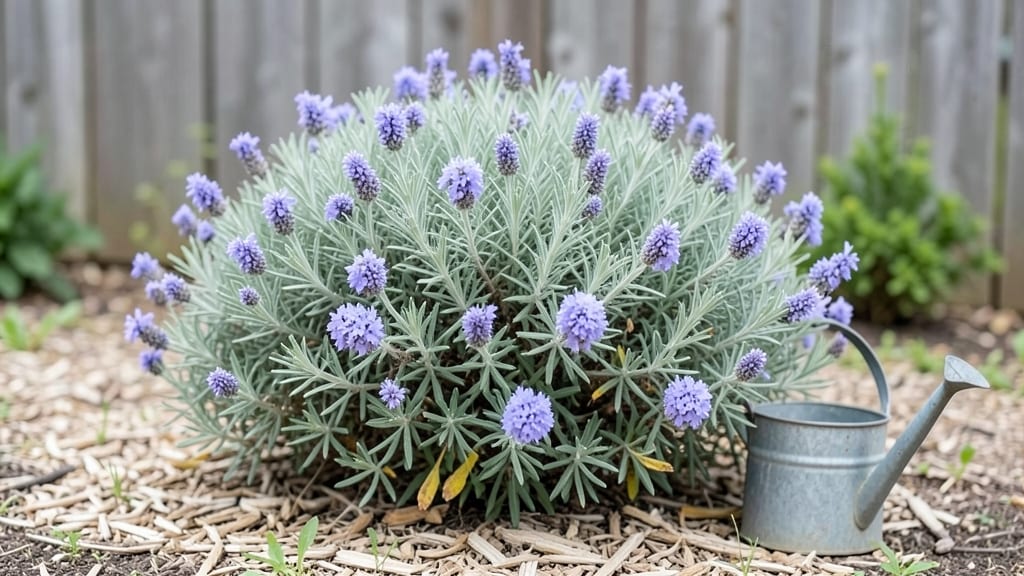
Landscaping with Texas native plants isn’t just survival—it’s a celebration of the state’s rugged beauty. 🌵 I’ve watched my own yard transform from thirsty, struggling turf into a vibrant ecosystem that thrives even when summer hits 110 degrees.
These plants don’t just endure drought; they flourish with minimal water, no synthetic fertilizers, and zero fuss.
The magic lies in choosing the right mix: tough shrubs like Texas Sage that stay silver-green all year, wildflowers like Bluebonnets that carpet the ground in spring, and shade-providing Live Oaks that create cool havens.
Most people assume native plants mean "wild and unkempt"—but with smart design, you can create a polished, low-maintenance landscape that looks intentional, not neglected.
By spring, you’ll see blooms where others see barren soil, and by fall, your yard will be the envy of the neighborhood—especially when your water bill stays embarrassingly low. The best part? These plants support local wildlife, from butterflies to songbirds, turning your yard into a thriving mini-ecosystem.
Whether you’re tackling a small front yard or a large commercial property, the principles stay the same: group plants by water needs, mulch aggressively, and let nature do the heavy lifting. Here’s how to start without breaking the bank or the planet.
📚 In This Guide
- What you need
- Instructions
- Tips and common mistakes
- Wrapping up and next steps
What you need
- ● Native Texas plants: 10–20 mature plants (e.g., Yucca, Agave, Texas Sage, Red Yucca, or Blackfoot Daisy), depending on garden size.
- ● Native soil: 50–100 sq. ft. of amended soil (mix with compost or sand for drainage).
- ● Mulch: 2–3 cubic yards of wood chips or gravel (helps retain moisture and suppress weeds).
- ● Drip irrigation system: 50–100 ft. of tubing + emitters (or soaker hoses for smaller areas).
- ● Gloves & knee pads: Heavy-duty work gloves and knee pads for comfort.
- ● Pruners & shovel: Bypass pruners (for clean cuts) and a sturdy shovel.
- ● Measuring tape & stakes: For planning spacing (most natives need 2–4 ft. apart).
- ● Native wildflower seeds: For pollinator-friendly ground cover (e.g., Bluebonnets, Lupines).
- ● Rocks or boulders: For texture and erosion control in sloped areas.
- ● Post-hole digger: If installing trellises or larger plant supports.
- ● Soil test kit: To check pH (Texas natives prefer 6.2–7.4).
- ● Solar-powered lights: For evening ambiance (drought-tolerant LED options!).
Step-by-Step guide to designing a Texas native plants landscape
Here’s how to create a stunning, low-maintenance yard that celebrates Texas’ natural beauty.
🌱 Step 1: Assess Your Site for Sun, Soil, and Microclimates
Start by mapping your yard’s sun exposure—Texas landscapes range from full sun (6+ hours) in open areas to partial shade (3-6 hours) under trees or structures. Use a notebook to sketch your space and note where sunlight shifts throughout the day. Native plants like Texas Sage and Blackfoot Daisy thrive in full sun, while Eastern Redbud or Mexican Petunia prefer partial shade.
Dig a soil sample from several spots to check texture and drainage. Sandy soils (common in West Texas) drain fast, while clay soils (common in East Texas) hold moisture longer. Amend heavy clay with 3-4 inches of compost to improve aeration, but avoid over-amending sandy soils—native plants evolved to handle lean conditions. Test pH if possible; most Texas natives prefer slightly acidic to neutral soil (6.0-7.5).
☀️ Step 2: Group Plants by Water Needs and Ecological Roles
Cluster plants with similar water needs to simplify irrigation. For example, group drought-tolerant perennials like Autumn Sage and Texas Lantana together in dry beds, while moisture-loving Blue Mistflower or Virginia Sweetspire can go near rain gardens or drip irrigation zones. I like to create "layers" inspired by Texas prairie ecosystems: tall grasses (like Little Bluestem) in the back, shrubs (like Wax Myrtle) in the middle, and ground covers (like Horseherb) up front.
Include plants that support local wildlife—Mexican Feather Grass attracts birds, while Turk’s Cap flowers feed hummingbirds. Avoid non-native invasives like Nandina or Japanese Honeysuckle, which disrupt Texas ecosystems. For 4 servings (a typical small yard), aim for 3-5 focal plants, 10-15 shrubs, and 20-30 perennials to create texture and movement.
🪴 Step 3: Prepare Beds and Plant Correctly for Long-Term Success
Mark planting zones with stakes or spray paint, then loosen soil to a depth of 12-18 inches—this encourages deep root growth, which is critical for drought survival. For shrubs and small trees, dig holes twice as wide as the root ball but no deeper. Gently tease out roots if they’re circling and place the plant so the top of the root ball sits 1 inch above ground level—settling will occur over time. Backfill with native soil (no amendments) and water deeply to eliminate air pockets.
Mulch beds with 2-3 inches of shredded bark or native mulch, keeping it 3-4 inches away from plant stems to prevent rot. Water newly planted natives 1-2 times per week for the first 3 months, then taper to once every 2-3 weeks once established. Overwatering is the #1 killer of drought-tolerant plants—let the soil dry between waterings to build root resilience.
✂️ Step 4: Maintain with Minimal Effort After Establishment
Prune Texas Sage and Yaupon Holly in late winter or early spring to shape growth, but avoid heavy cuts—these plants bloom on old wood. Deadhead spent blooms on Mexican Petunia or Blackfoot Daisy to encourage continuous flowering. Fertilize lightly in early spring with a low-nitrogen, slow-release fertilizer (like a 5-5-5 blend), but skip fertilizers entirely for established plants—they’re adapted to lean soils.
Monitor for pests like Spanish Thrips (common on Turk’s Cap) or Aphids (on new growth). Treat infestations with a strong spray of water or neem oil—chemical pesticides harm beneficial insects. In late fall, trim back tall grasses like Switchgrass to 6-12 inches to prevent them from flopping in winter winds. Native plants are tough, but a little seasonal care keeps them looking their best.
⏰ Step 5: Plan for Year-Round Interest and Seasonal Changes
Texas natives offer four-season beauty if you choose the right mix. Winter: Eastern Redbud and Mexican Buckeye burst with color in February. Spring: Bluebonnets (if planted in meadows) and Mexican Petunia bloom from March to May. Summer: Autumn Sage and Texas Lantana thrive in the heat, while fall brings Goldenrod and Aromatic Aster to pollinator-friendly beds.
Add evergreen shrubs like Wax Myrtle or Texas Mountain Laurel for winter structure, and deciduous trees like Live Oak or Cedar Elm for shade. I like to include 1-2 ornamental grasses (like Gulf Muhly) for movement and texture. Once established, your landscape will require less than 50% of the water of a traditional lawn while supporting local wildlife and reducing your carbon footprint.
Tips & tricks for perfect Texas native plants landscaping
Creating a thriving Texas native landscape takes more than just planting—it's about understanding the subtle details that make these plants flourish year after year. Here's what I've learned from transforming my own yard into a low-water oasis that supports local wildlife.
Soil Preparation is Everything: When amending heavy clay soils in Step 1, don't just add compost—mix in coarse sand or perlite (about 1 part sand to 3 parts compost) to improve both drainage and aeration. Native plants hate soggy roots, so this adjustment prevents the #1 cause of plant failure in Texas gardens. I've seen Texas Sage plants revive completely after this simple soil tweak, even when established for years in compacted clay.
Layering Creates Visual Impact: The three-layer approach in Step 2 (tall grasses, shrubs, ground covers) isn't just decorative—it mimics natural Texas ecosystems and creates microclimates that support biodiversity. For example, plant Mexican Feather Grass (tall layer) near Wax Myrtle shrubs to provide winter shelter for birds, while Horseherb (ground cover) prevents soil erosion. This arrangement also makes maintenance easier by grouping plants with similar water needs together.
Planting Depth Matters More Than You Think: In Step 3, that 1-inch above ground level guideline is critical—it accounts for settling that occurs after planting. I've seen many gardeners bury root balls too deeply, which can suffocate plants and lead to root rot. For container-grown plants, gently squeeze the root ball to check for air pockets before backfilling. This small detail makes the difference between a plant that thrives and one that struggles.
Watering Wisdom for Long-Term Success: The transition from 1-2 times per week for 3 months to once every 2-3 weeks is where most people go wrong. Instead of following a rigid schedule, I recommend checking soil moisture with your finger—aim for 2-3 inches deep to be dry between waterings. This approach teaches plants to develop deep roots that can reach water during droughts, which is exactly what we want with native species.
Pro Tips for Texas Plants Landscaping
- Creating a thriving Texas native landscape takes more than just planting—it's about understanding the subtle details that make these plants flourish year after year.
- Soil Preparation is Everything: When amending heavy clay soils in Step 1, don't just add compost—mix in coarse sand or perlite (about 1 part sand to 3 parts compost) to improve both drainage and aeration.
- Layering Creates Visual Impact: The three-layer approach in Step 2 (tall grasses, shrubs, ground covers) isn't just decorative—it mimics natural Texas ecosystems and creates microclimates that support biodiversity.
Frequently asked questions
Got questions about transforming your Texas yard with native, drought-resistant plants? You’re not alone! Here are some of the most common concerns—and straightforward answers—to help you plan with confidence.
What are the best low-maintenance Texas native plants for beginners?
Start with Texas Sage (Cenizo), Bluebonnet (Lupinus texensis), or Blackfoot Daisy (Melampodium leucanthum). These thrive with minimal water, resist pests, and bloom year-round with little fuss. Pair them with Buffalo Grass for a lush, green lawn alternative that’s drought-proof!
When is the ideal time to plant Texas native landscaping?
Fall (September–November) is your golden window—cooler temps reduce stress on roots, and rains help establish plants. Spring (March–April) works too, but water consistently until roots settle. Never plant in peak summer heat! Young plants wilt fast without deep watering.
How often should I water newly planted Texas natives?
Water deeply 2–3 times per week for the first month, then taper to once a week. After 6 months, most natives need water only during droughts (check soil moisture—top 2 inches should be dry). Mulch 2–3 inches deep to lock in moisture and deter weeds.
Can I mix Texas natives with non-native plants in my landscape?
Yes! But prioritize natives for water efficiency. Use non-natives sparingly (e.g., Dwarf Yaupon Holly or Mexican Feather Grass) in high-traffic areas. Avoid thirsty plants like Fescue or Boxwood—they’ll drain your water budget and outcompete natives.
What pests should I watch for in Texas native plants?
Most natives are pest-resistant, but keep an eye out for Aphids (on Bluebonnets) or Spider Mites (dry conditions). Spray with water or use neem oil if needed. Deer love Turk’s Cap—protect young plants with fencing until established!
Pro Tip:
Need a quick fix for a shady spot? Try Eastern Red Columbine or Mexican Petunia—both handle partial shade and attract pollinators. Always match plants to your yard’s sunlight (check labels!).
Wrapping up and next steps
Transforming your Texas landscape with native, drought-resistant plants isn’t just practical—it’s a celebration of resilience and natural beauty! 🌵 From vibrant Texas Sage to sturdy Yucca, these plants bring year-round charm while saving water and effort.
The key? Start small, plan with your climate in mind, and let nature do the heavy lifting.
Ready to dive in? Take the next step:
- Sketch your yard’s layout and note sun/shade spots.
- Visit a local nursery to pick out 3-5 native plants that excite you.
- Grab your gloves and get planting—your future oasis awaits!
Your Texas dream landscape is closer than you think—let’s grow it together! 🌿