
Pruning
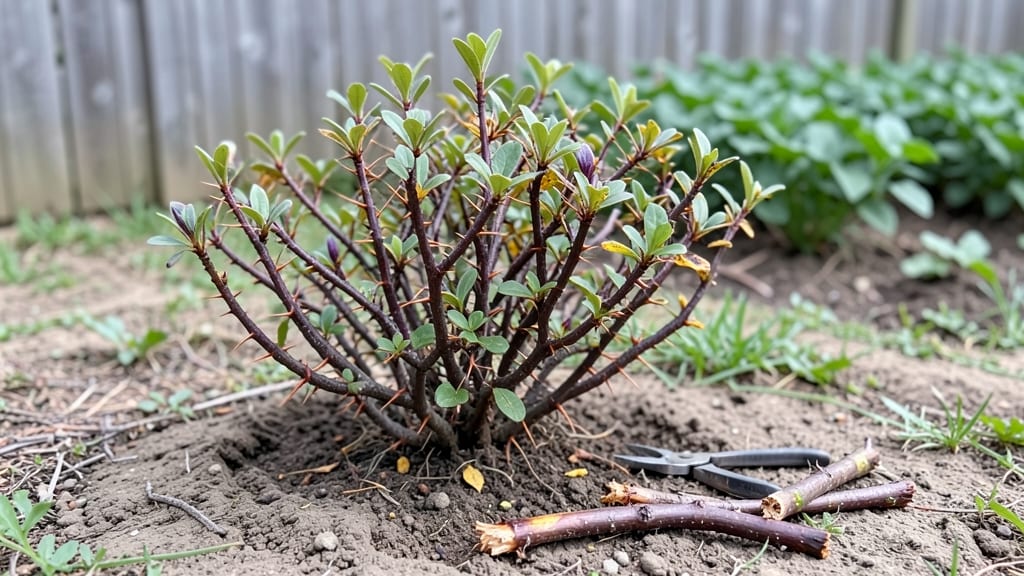
Pruning barberry plants transforms them from scraggly shrubs into dense, disease-resistant powerhouses—just three well-timed cuts make all the difference. 🌿 I’ve watched my own barberries go from sparse and leggy to thickly branched and full of vibrant red berries after mastering this simple system.
The key isn’t just when to cut, but how—and I’ll show you exactly where to make those snips for maximum bushiness.
You’ll need sharp bypass pruners (dull blades tear bark), a pair of gloves, and a clear day to work—barberries bleed sap when cut, but that’s normal.
The three cuts happen at different times: a light cleanup in late winter, a shaping trim in early summer, and a rejuvenation prune every 3-4 years to refresh older growth. Most people skip the summer trim, which is where you actually encourage those tight, berry-laden branches.
By the time you’re done, your barberry will have a compact, rounded shape with fewer weak stems and more vibrant foliage. The berries stay plump and colorful, and pests like spider mites have fewer hiding spots.
Think of it as a yearly spa day for your shrub—less work than you’d expect, but the results last all season.
This method works for both common barberries and the thornless varieties, though the timing shifts slightly in warmer climates. The biggest mistake? Pruning too late in the season—waiting until fall can leave cuts vulnerable to winter damage.
Let’s get those shears ready and turn your barberry into the showstopper of your landscape.
📚 In This Guide
- What you need
- Instructions
- Tips and common mistakes
- Wrapping up and next steps
What you need
- ● Pruning shears – Bypass pruners (for clean cuts on small stems, 1 pair, sharp and sturdy)
- ● Loppers – For thicker branches (1 pair, 6–8" cutting capacity)
- ● Hand pruners – For precision trimming (1 pair, ergonomic grip)
- ● Gloves – Heavy-duty gardening gloves (1 pair, to protect from thorns and debris)
- ● Disinfectant – Rubbing alcohol or bleach solution (small bottle, to sterilize tools between cuts)
- ● Sharpener – For dull blades (file or honing tool, 1)
- ● Rake or broom – To clear debris (1, for post-pruning cleanup)
- ○ Twine or ties – For securing large branches (optional, if supporting weak growth)
- ○ Pruning sealant – For large cuts (optional, to prevent disease entry)
- ● Check the weather forecast – Aim for a dry, overcast day to avoid stressing the plant.
- ● Gather cleanup supplies – A bucket or bag for clippings (1–2, depending on size).
- ● Review your pruning plan – Sketch or note key areas to trim for structure and health.
Step-by-step guide to pruning barberry plants for year-round health
Here’s how to keep your barberry looking sharp and thriving through all four seasons.
✂️ Step 1: Late Winter Cleanup (Before New Growth Begins)
Start your pruning in late winter, just as buds begin to swell but before any new growth appears. This is the best time to remove dead, damaged, or diseased branches—you’ll spot them easily against the bare stems. I always use clean, sharp pruners to make precise cuts just above a bud or lateral branch.
Focus on removing any branches that look brown, brittle, or hollow. These won’t recover and can harbor pests or diseases. If you see any branches crossing or rubbing against each other, trim those too—they’ll weaken over time. Keep your cuts at a 45-degree angle to prevent water from pooling on the wound, which could rot the stem.
✂️ Step 2: Summer Light Pruning (After Flowering)
Once your barberry has finished flowering in early to mid-summer, it’s time for a lighter pruning session. This step is all about shaping and encouraging bushier growth. I look for branches that are growing inward or spoiling the plant’s natural form—these are the ones to trim back to an outward-facing bud.
Never cut more than one-third of the plant’s total growth at once, or you’ll stress the barberry. If you notice any leggy branches (long, thin stems with sparse foliage), shorten them by about one-third to promote fuller growth. Use your fingers to gently bend branches—if they snap easily, they’re too weak and should be removed entirely.
✂️ Step 3: Fall Renewal (After Leaf Drop)
In fall, after the leaves have dropped but before the first hard frost, give your barberry a final pruning to tidy up and prepare for winter. This is when I remove any remaining dead wood, as well as any branches that are growing too close together. Thin out the center of the plant to improve airflow, which helps prevent fungal diseases.
If your barberry has berries that haven’t been eaten by wildlife, leave them—they’ll provide winter interest and food for birds. For berryless varieties, you can trim back any overly vigorous shoots to maintain a neat shape. Avoid heavy pruning now, as new growth won’t have time to harden off before winter.
⏰ Step 4: Year-Round Maintenance (As Needed)
Throughout the year, keep an eye out for any branches that are growing in odd directions or spoiling the plant’s shape. A quick trim with your pruners can make all the difference. I also remove any suckers (shoots growing from the base) to redirect the plant’s energy into stronger, established branches.
After each pruning session, clean your tools with rubbing alcohol to prevent the spread of disease. Store your pruners in a dry place to keep them sharp and ready for next time. With these three strategic cuts, your barberry will stay healthy, vibrant, and full of life all year long.
Tips & tricks for perfect barberry plant pruning
These seasoned insights will help you master the art of barberry pruning—keeping your plants lush and healthy year after year.
The Timing Factor: Late winter cleanup is your golden window—just as buds begin to swell but before any new growth appears. I can't stress this enough: pruning too early can damage emerging buds, while waiting too late means you'll be cutting back fresh growth. Mark your calendar for this critical window, which typically falls between February and early March in most climates. This precise timing ensures you remove only the dead or damaged branches without harming the plant's vitality.
Equipment Essentials: Your pruners are your most important tool, but they're only effective if they're sharp and clean. I've learned this the hard way—dull blades tear stems instead of making clean cuts, which can damage the plant and invite disease. Always clean your pruners with rubbing alcohol between cuts, especially when dealing with diseased branches. For larger branches, I recommend using loppers with a bypass blade—they make cleaner cuts that heal faster. Store your tools in a dry place to maintain their sharpness between pruning sessions.
Pruning Technique: When making cuts in Step 1, aim for just above a bud or lateral branch at a 45-degree angle. This angle helps water run off the cut instead of pooling, which prevents rot. I like to visualize making a smiley face—cutting just above the bud ensures new growth will emerge in the right direction. For thicker branches, make your cut slightly farther out from the trunk to allow for better healing. The key is to make each cut with confidence, removing only what's necessary without over-pruning.
Seasonal Strategy: Each season serves a different purpose in the pruning cycle. In summer, focus on shaping and encouraging bushier growth by trimming inward-growing branches. In fall, prioritize removing dead wood and thinning the center for better airflow. I've found that maintaining a consistent pruning schedule—once in late winter, once in summer, and once in fall—keeps my barberries looking their best all year. This seasonal approach prevents over-stressing the plant while promoting healthy, vigorous growth.
Pro Tips for Barberry Plant Pruning
- These seasoned insights will help you master the art of barberry pruning—keeping your plants lush and healthy year after year.
- The Timing Factor: Late winter cleanup is your golden window—just as buds begin to swell but before any new growth appears.
- Equipment Essentials: Your pruners are your most important tool, but they're only effective if they're sharp and clean.
Frequently asked questions
Got questions about pruning your barberry plants?
You’re not alone! Here are answers to the most common concerns—from timing to troubleshooting—to keep your shrubs thriving year-round.
When is the best time to prune barberry plants?
Barberries thrive with three strategic cuts: late winter/early spring (just before new growth starts), summer after flowering (to shape and encourage bushiness), and light cleanup pruning in fall (to remove dead or diseased branches). Avoid heavy pruning in late fall—it can stress the plant before winter.
Can I prune barberry plants in winter?
Yes, but only lightly! Prune only dead, damaged, or crossing branches in winter—avoid heavy cuts. Barberries are semi-evergreen, and winter pruning can expose tender stems to frost damage. Save major shaping for early spring when the plant is actively growing.
What if I skip pruning my barberry? Will it survive?
Barberries are hardy and forgiving, but skipping pruning can lead to overcrowded growth, fewer berries, and a messy shape. Without regular cuts, branches may become woody and leggy. Pruning encourages healthier blooms, better airflow (reducing disease), and a fuller shrub—so it’s worth the effort!
My barberry leaves turned brown after pruning. What went wrong?
Brown leaves usually mean over-pruning or stress. If you cut too much (more than ⅓ of the plant at once), the barberry may react by shedding leaves. To fix it: water deeply, avoid fertilizing for a few weeks, and prune lightly in the next growing season. Brown leaves from pruning should fade as new growth emerges.
Can I use hedge trimmers instead of hand pruners for barberry?
Hedge trimmers work for large, formal barberry hedges, but they can over-prune or create jagged cuts if misused. For smaller shrubs or detailed shaping, hand pruners or loppers give you more control. Always sterilize tools between cuts to prevent spreading disease.
Pro Tip:
Use sharp, clean tools and make cuts at a 45-degree angle just above a bud or branch collar. This promotes faster healing and reduces the risk of disease. Happy pruning!
Wrapping up and next steps
Mastering the art of barberry plant pruning is your ticket to a thriving, disease-resistant shrub that blooms beautifully year after year! 🌿 With just three strategic cuts—spring shaping, post-bloom cleanup, and winter thinning—you’ll keep your barberry lush, compact, and full of energy.
The key is patience and consistency, so don’t hesitate to roll up your sleeves and give your plant the care it deserves.
Ready to transform your barberry into a showstopper? Grab your pruners, follow your newfound expertise, and watch your garden flourish! 🌟 For extra inspiration, explore seasonal barberry care tips to keep your green thumb growing stronger.