
Companion Plants
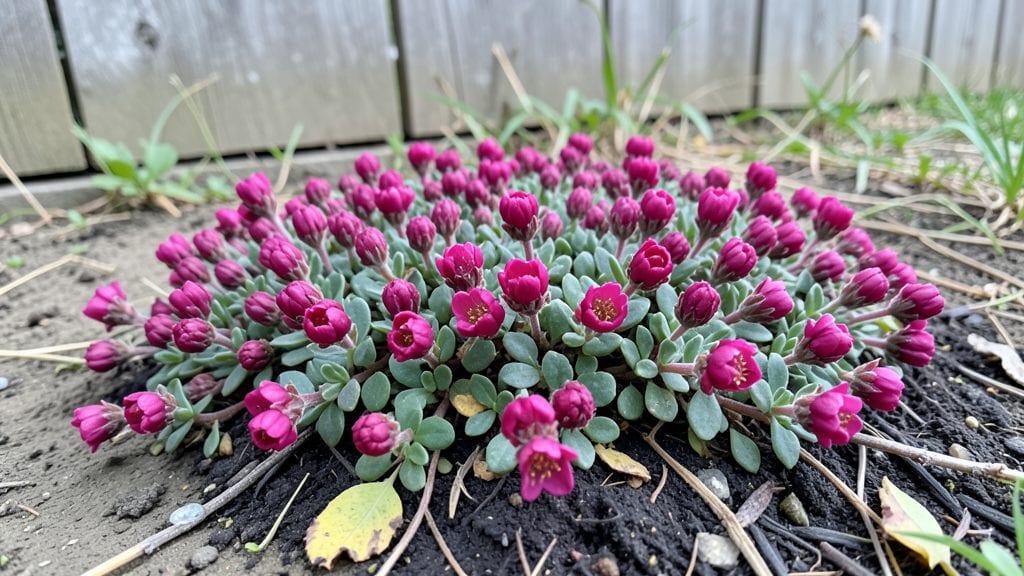
Growing red Aubrieta plants transforms bare spots into a vibrant, low-maintenance carpet that thrives even when other plants wilt. I’ve watched mine spill over container edges and garden beds, creating a crimson waterfall that never stops blooming—even in summer’s driest stretches.
The secret lies in its tough-as-nails nature, but there’s still a few tricks to coax those deep red flowers into their most dramatic display.
This ground cover loves full sun to partial shade, but it’s the soil that makes all the difference—well-draining, rocky, or even poor soil won’t stop it from flourishing. Watering’s simple too: once established, it barely needs a sip, but young plants appreciate a drink every 10-14 days.
Whether you’re tucking it into cracks between pavers or letting it spill over pot edges, its cascading habit turns ordinary spaces into living art.
You’ll see those first deep red blooms appear in early spring, then again in fall, with a bonus flush in winter if your climate stays mild. The flowers draw in pollinators while keeping weeds at bay—no mulching required.
Even better, it spreads effortlessly, filling gaps without becoming invasive. Let’s get yours thriving so you can enjoy that year-round color without the fuss.
Container growers take note: mix in 30% perlite to prevent soggy roots, and fertilize lightly just once in early spring. Garden beds? Just scrape back the soil, scatter seeds or plugs, and watch them fill in faster than weeds can take hold.
The only real mistake? Waiting too long to plant—these tough little beauties deserve a spot in every sunny corner.
📚 In This Guide
- What you need
- Instructions
- Tips and common mistakes
- Wrapping up and next steps
What you need
- ● Red Aubrieta plants/seeds: 3–5 mature plants (for quick coverage)
- ● OR 1–2 packets of seeds (500–1,000 seeds per packet)
- ● Well-draining soil: Mix 1 part potting soil with 1 part perlite or coarse sand (for rocky or clay-heavy soils).
- ● Gravel or rocks: 1–2 inches (for drainage, especially in containers).
- ○ Slow-release fertilizer (optional but recommended): 5–10-5 NPK ratio, 1 lb per 100 sq ft.
- ● Garden trowel or hand shovel (for transplanting).
- ● Pruning shears (to trim dead foliage or shape plants).
- ● Gloves (to protect hands from soil and prickly stems).
- ● Watering can or hose with a gentle spray nozzle (Aubrieta hates soggy roots!).
- ○ Mulch (optional): 1–2 inches of gravel or pebbles (to retain moisture and deter weeds).
- ● Sunlight: Full sun (6+ hours daily) for best blooms.
- ● Hardiness zone: 5–9 (check your local USDA zone!).
- ● Spacing: 12–18 inches apart for plants.
- ● Seeds: Thin to 6–8 inches apart after germination.
- ● Timing: Seeds: Sow outdoors 4–6 weeks before last frost or start indoors 8–10 weeks early.
- ● Plants: Transplant in early spring or fall (avoid summer heat!).
How to plant and maintain red aubrieta for stunning year-round color
This hardy ground cover thrives with minimal effort—just follow these simple steps for vibrant blooms.
Choose the Right Location and Prepare the Soil
Red aubrieta loves full sun and well-draining soil, so pick a spot that gets at least 6 hours of sunlight daily. Avoid low-lying areas where water pools after rain, as soggy roots will rot quickly. If your soil drains poorly, mix in a 2-inch layer of coarse sand or gravel to improve drainage before planting.
Loosen the top 6 inches of soil with a garden fork to create a loose, airy bed. Aubrieta’s shallow roots need easy access to moisture and nutrients, so don’t compact the soil after amending it. A light sprinkle of balanced granular fertilizer (10-10-10) at planting time gives it a slow-release boost for strong establishment.
Plant Red Aubrieta Correctly for Full Coverage
Space plants 8-10 inches apart in rows 12 inches apart to allow room for spreading. Dig holes just slightly larger than the root ball—no deeper than 1 inch below the soil line of the plant. Press the soil gently around each plant to remove air pockets, but avoid firming it down too tightly.
Water deeply right after planting to help roots settle into the soil. You’ll know it’s done right when the soil surface looks slightly settled but not muddy. Mulch with 1 inch of gravel or small pebbles (not organic mulch) to prevent soil splashing on leaves and keep moisture levels stable.
Water and Fertilize for Healthy Growth
Water once a week during the first growing season, allowing the soil to dry out between waterings. Aubrieta’s drought tolerance kicks in after the first year, but young plants need consistent moisture to establish roots. Water at the base of the plant in the morning to reduce evaporation and fungal risks.
Fertilize lightly in early spring with a slow-release granular fertilizer to encourage blooming. Too much nitrogen makes leaves grow at the expense of flowers, so use half the recommended dose. Once established, aubrieta rarely needs additional feeding—its natural resilience keeps it thriving with minimal care.
Prune and Maintain for Year-Round Color
After the first flush of spring blooms fades, trim back the foliage by one-third to encourage a second round of flowers. Use clean, sharp shears to make cuts just above a set of leaves. This prevents leggy growth and keeps the plant dense and compact. Deadhead spent blooms regularly to prolong flowering.
In late fall, give the plant a light trim to tidy up, but avoid cutting into old growth—it provides winter protection. Aubrieta’s evergreen foliage stays attractive even in cold weather, making it a low-maintenance choice for year-round interest.
Divide and Propagate for Fuller Spread
Every 3-4 years, divide mature clumps in early spring to rejuvenate growth. Dig up the plant, separate it into smaller sections with roots attached, and replant immediately. This prevents overcrowding and keeps the plant vigorous. You can also propagate aubrieta by taking 4-inch stem cuttings in early summer and rooting them in moist sand.
Transplant divisions or rooted cuttings to new areas of the garden for instant color. Aubrieta spreads quickly, so plan for its eventual size—it works beautifully in rock gardens, along slopes, or as a border under trees where other plants struggle.
Tips & tricks for perfect red aubrieta planting and maintenance
A few simple tricks will help your red aubrieta thrive with vibrant color and minimal effort.
Sunlight is Non-Negotiable: The 6 hours of daily sunlight mentioned in Step 1 is critical—this plant absolutely refuses to bloom well in shade. If your location gets less than that, consider placing it in a container where you can move it to sunnier spots during peak sunlight hours. I've seen aubrieta in partial shade survive, but it never produces the same vivid color or abundant flowers.
Soil Preparation Matters More Than You Think: When loosening the top 6 inches of soil in Step 1, don't just scratch the surface. Use a garden fork to create a loose, almost fluffy bed down to that depth. Aubrieta's shallow roots need this airy environment to thrive. I once skipped this step and my plants struggled for two full seasons—don't make my mistake!
Mulching Strategy for Success: The 1-inch gravel mulch in Step 2 serves two purposes beyond weed control. First, it prevents soil splashing that can damage leaves and introduce fungal spores. Second, the gravel stays cool, helping maintain even soil temperatures that aubrieta loves. Just avoid organic mulches—they can compact over time and suffocate those shallow roots.
Pruning Timing is Everything: When you trim back foliage by one-third in Step 4, do it immediately after the first spring bloom cycle fades. This timing triggers the second flush of flowers. I've seen gardeners wait too long, and their plants either don't rebloom or produce sparse flowers. The key is to prune when you see about 20% of the flowers starting to brown.
Pro Tips for Red Aubrieta Plants
- A few simple tricks will help your red aubrieta thrive with vibrant color and minimal effort.
- Sunlight is Non-Negotiable: The 6 hours of daily sunlight mentioned in Step 1 is critical—this plant absolutely refuses to bloom well in shade.
- Soil Preparation Matters More Than You Think: When loosening the top 6 inches of soil in Step 1, don't just scratch the surface.
Frequently asked questions
Got questions about growing red aubrieta? You’re not alone!
Here are answers to the most common queries—from planting tips to troubleshooting—to help your drought-resistant ground cover thrive year-round.
When is the best time to plant red aubrieta?
Plant red aubrieta in early spring or early fall for optimal root establishment. Avoid extreme heat or frost, as young plants are sensitive. If using potted plants, transplant them before the first hard freeze or when soil temps stay above 40°F (4°C).
How often should I water red aubrieta?
Once established, red aubrieta is drought-tolerant—water deeply 1-2 times per week during the first growing season. After that, water only when soil feels dry 1-2 inches down. Overwatering can lead to root rot, so well-draining soil is key!
What pests or diseases commonly affect red aubrieta?
While hardy, red aubrieta may face aphids, slugs, or fungal issues in humid conditions. Prevent pests with neem oil or diatomaceous earth. For fungal spots, improve airflow and avoid overhead watering. Most problems are minor—just act fast!
Can I grow red aubrieta in containers or hanging baskets?
Red aubrieta thrives in containers, window boxes, or hanging baskets (6+ inches deep). Use a fast-draining mix with perlite or sand. Just ensure it gets 4+ hours of sunlight daily—it’s perfect for small spaces or rooftop gardens!
What are some great companion plants for red aubrieta?
Pair red aubrieta with lavender, thyme, or creeping phlox for a low-maintenance, pollinator-friendly border. It also contrasts beautifully with roses, boxwood, or ornamental grasses. Just avoid heavy feeders—this plant prefers lean, rocky soil!
Wrapping up and next steps
Adding red Aubrieta plants to your garden is a fantastic way to enjoy vibrant color while keeping maintenance simple—perfect for busy gardeners or drought-prone areas! 🌸 These hardy, low-growing beauties thrive with minimal fuss and bring year-round charm to borders, rock gardens, or even containers.
Whether you’re a beginner or a seasoned green thumb, their resilience and striking hues make them a must-have companion plant.
Ready to transform your space? Start by selecting a sunny spot, prepping the soil, and planting your red Aubrieta in the spring or fall. With just a little care, you’ll be rewarded with a lush, colorful carpet that turns heads—and requires almost no upkeep! 🌿