
Diseases
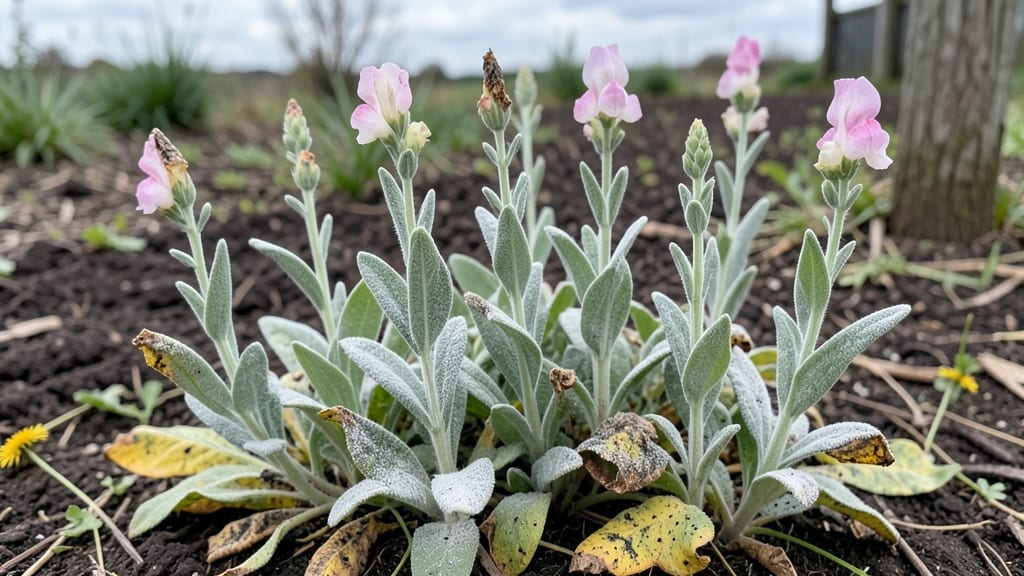
Snapdragon plant diseases can turn vibrant blooms into sad, spotted messes if you don’t catch them early. I’ve watched my own snapdragons go from proud spikes of color to wilting shadows in just a few weeks—until I learned the telltale signs of powdery mildew, rust, and botrytis.
The key isn’t just spotting the damage; it’s understanding why it happens so you can stop it before it ruins your whole garden.
Most snapdragon diseases thrive in damp, crowded conditions, so proper spacing and airflow are your first line of defense. I’ve found that removing spent blooms and avoiding overhead watering cuts down on fungal spores by half.
Even in humid summers, these simple habits keep my snapdragons standing tall instead of sagging under disease. The payoff? Fewer chemical sprays and plants that keep blooming all season.
When you do spot trouble, act fast—scrubbing leaves with neem oil or baking soda mix can save a plant before it’s too late. I’ve pulled back snapdragons from the brink of total collapse with just a few targeted treatments.
The goal isn’t perfection; it’s giving your plants the best shot at thriving despite less-than-ideal conditions. Here’s how to recognize the early warnings and keep your snapdragons healthy.
Whether you’re dealing with white powder on leaves or dark spots creeping up stems, this guide covers the most common snapdragon diseases and how to treat them organically.
You’ll learn to spot the difference between preventable issues and those that need immediate action—so your snapdragons stay the showstopper they’re meant to be.
Root Causes Of Snapdragon Struggles
Snapdragons (Antirrhinum majus) are beloved for their vibrant blooms and long-lasting displays, but their health can quickly decline due to fungal and bacterial diseases. Understanding why these issues arise is the first step to prevention.
Here’s a breakdown of the key factors that turn your thriving snapdragons into disease magnets—and how to avoid them.
Fungal pathogens like powdery mildew (Erysiphe cichoracearum) and downy mildew (Peronospora antirrhini) thrive in stagnant, damp conditions. Snapdragons are particularly vulnerable because their dense foliage and clustered stems create microclimates where moisture lingers.
- Why it happens:
- Overcrowding: Tightly packed plants block airflow, trapping humidity near leaves and stems.
- High humidity (60%+): Fungal spores germinate and spread rapidly in moist environments.
- Poor spacing: Planting snapdragons too close (less than 12–18 inches apart) restricts circulation.
- Actionable fix:
- Space plants 12–18 inches apart for optimal airflow.
- Prune overlapping leaves to improve ventilation.
- Avoid watering overhead—use drip irrigation or water at the base.
Snapdragons are hardy but not drought-tolerant or heat-loving. Extreme weather—whether too wet or too dry—weakens their defenses, making them easy targets for diseases like root rot (Phytophthora spp.) and bacterial blight (Xanthomonas campestris).
- Why it happens:
- Excessive rain or irrigation: Waterlogged soil deprives roots of oxygen, inviting root rot and stem rot.
- Sudden temperature swings: Cold nights followed by hot days stress plants, reducing their ability to fight pathogens.
- Low light conditions: Shady spots slow growth, making plants more susceptible to powdery mildew.
- Actionable fix:
- Ensure well-draining soil (amend with compost or perlite if needed).
- Water early in the day to allow foliage to dry before evening.
- Provide partial sun (4–6 hours daily) to balance growth and resilience.
Diseases often lurk in soil, compost, or gardening tools, waiting for the right conditions to strike. Snapdragons grown in reused soil or with shared pruners can quickly contract fusarium wilt (Fusarium oxysporum) or botrytis blight (Botrytis cinerea).
- Why it happens:
- Reused infested soil: Old garden beds or potting mix may harbor dormant fungal spores.
- Dirty pruners/shears: Cutting tools can transfer bacterial or fungal pathogens between plants.
- Poor compost quality: Fresh manure or improperly composted materials introduce harmful microbes.
- Actionable fix:
- Sterilize tools with 70% isopropyl alcohol or a bleach solution (1 part bleach to 9 parts water) between uses.
- Use fresh, disease-free potting mix or solarize soil (cover with plastic for 4–6 weeks to kill pathogens).
- Avoid planting snapdragons in the same spot yearly—rotate crops to break disease cycles.
Pests like aphids, thrips, and spider mites don’t just sap nutrients—they create open wounds where bacteria and fungi can enter. Aphids, for example, excrete honeydew, a sticky substance that fosters sooty mold and botrytis.
- Why it happens:
- Aphid infestations: These pests inject toxins while feeding, stressing plants.
- Thrip feeding: Damaged leaves become entry points for fungal infections.
- Caterpillars or slugs: Chewed foliage exposes plants to secondary infections.
- Actionable fix:
- Monitor plants weekly for pests—use neem oil or insecticidal soap at the first sign.
- Introduce beneficial insects (ladybugs, lacewings) to control aphids naturally.
- Remove heavily infested leaves to prevent spread.
Not all snapdragons are equally resistant. Some varieties are bred for color or height rather than disease resistance, making them more vulnerable to powdery mildew or rust (Puccinia spp.).
- Why it happens:
- Susceptible hybrids: Some snapdragons lack natural resistance to common pathogens.
- Older plants: Mature snapdragons (3+ years) have weaker immune systems than younger ones.
- Stress from over-fertilizing: Excess nitrogen promotes lush, soft growth—a buffet for fungi.
- Actionable fix:
- Choose disease-resistant varieties like ‘Applause’ or ‘Rocket’ series.
- Replace old plants every 2–3 years to maintain vigor.
- Balance fertilization—use a low-nitrogen, high-phosphorus blend (e.g., 5-10-10) to strengthen roots.
Many gardeners wait until symptoms are severe before acting. By then, diseases like alternaria leaf spot (Alternaria alternata) have already spread via wind or splashing water.
- Why it happens:
- Delayed pruning: Yellowing or spotted leaves left unchecked allow spores to multiply.
- No sanitation: Dead leaves or debris harbor overwintering pathogens.
- Overhead watering: Spreads spores from infected to healthy plants.
- Actionable fix:
- Inspect plants weekly—remove and dispose of infected leaves (do not compost).
- Clean up debris in fall to eliminate fungal overwintering sites.
- Water at the base to prevent spore dispersal.
Quick Fixes for Snapdragon Ailments
When your snapdragons start showing signs of stress—whether it’s yellowing leaves, powdery coatings, or wilting stems—acting fast can save your plants. Below are practical, step-by-step solutions tailored to the most common diseases, plus prevention tips to keep your snapdragons thriving.
Think of this as your emergency first-aid kit for garden woes!
Fungi love damp, crowded conditions, and snapdragons are prime targets. Here’s how to banish them for good:
🔥 Step 1: Prune & Remove Infected Parts
- 🌿 Snip off any leaves or stems covered in white powder (powdery mildew) or orange rust spots.
- 🗑️ Bag and toss the clippings far from your garden—never compost them!
Fungal spores can survive and reinfect. - ✂️ Sterilize tools with 70% rubbing alcohol or a 10% bleach solution (1 part bleach to 9 parts water) to prevent spreading spores.
🍳 Step 2: Apply Fungicide (Store-Bought or Homemade)
- 💡 Pro Tip: Baking soda spray is a cheap, effective DIY fungicide.
Mix: - 1 tsp baking soda - 1 tsp vegetable oil (helps it stick) - 1 gallon water - A few drops of dish soap (as a surfactant) - Spray both sides of leaves in the early morning or evening (avoid direct sunlight—it can burn leaves). - 🌡️ For severe cases, use a commercial fungicide like neem oil or copper fungicide.
Follow label instructions precisely—overuse can harm plants.
🌡️ Step 3: Adjust Growing Conditions
Fungi thrive in humidity and poor airflow. Fix this ASAP:
- ✨ Increase airflow: Space plants 12–18 inches apart (snapdragons love elbow room!).
- 💦 Water at the base: Avoid overhead watering—use a drip irrigation system or water early in the day so leaves dry quickly.
- 🌿 Thin out foliage if plants are too dense—less shade = less fungal growth.
🔄 Prevention for Next Season
- 🌱 Rotate crops: Don’t plant snapdragons (or other susceptible plants like roses or phlox) in the same spot two years in a row.
- 🌿 Plant resistant varieties: Some snapdragons, like ‘Matrix’ or ‘Applause’ series, are bred for better disease resistance.
- 🌱 Solarize soil in late summer: Cover beds with clear plastic for 4–6 weeks to kill fungal spores in the soil.
Bacterial infections (like bacterial blight or Alternaria leaf spot) cause dark, water-soaked spots that ooze when wet. Unlike fungi, bacteria can’t be cured—only contained.
🔪 Step 1: Remove & Destroy Infected Plants
- 🚨 If more than 10% of your snapdragons are infected, pull them up—bacteria spread fast.
- 🗑️ Do NOT compost—burn or trash them immediately.
- 🌱 Replace soil in the infected area with fresh, sterile potting mix or solarize the bed (see above).
👨🍳 Step 2: Copper-Based Bactericide
- 💡 Pro Tip: Copper fungicide (like Bordeaux mixture or copper hydroxide) can slow bacterial spread.
- Spray every 7–10 days until new growth appears healthy.
- ⚠️ Warning: Avoid spraying in direct sun or high temps—copper can burn leaves.
🌡️ Step 3: Sanitize Everything
- 🧼 Wash hands after handling plants.
- 🧼 Sterilize tools (see above).
- 🚿 Disinfect pots with 1 part bleach to 9 parts water, then rinse well.
🔄 Prevention: Break the Cycle
- 🌱 Avoid overhead watering—use drip irrigation or soaker hoses.
- 🌿 Choose disease-resistant varieties (e.g., ‘Tango’ or ‘Freedom’ series).
- 🌱 Plant in well-draining soil—bacteria love soggy roots.
Viruses (like tomato spotted wilt virus) and pests (like aphids or spider mites) weaken snapdragons, making them more susceptible to diseases. Prevention is key!
🐛 Step 1: Control Pests Immediately
- 🕷️ Aphids? Blast them off with a strong spray of water or use insecticidal soap.
- 🕸️ Spider mites? Wipe leaves with a damp cloth or spray with neem oil.
- 🐜 Thrips? Use yellow sticky traps to catch them early.
🌿 Step 2: Remove Virus-Infected Plants
- 🚨 If you spot stunted growth, mosaic patterns, or yellowing veins, the plant is likely virus-infected.
- 🗑️ Remove and destroy it—viruses cannot be cured and spread via insects or contaminated tools.
🔄 Prevention: Keep Pests Out
- 🌱 Use row covers to block thrips and aphids.
- 🌿 Plant pest-repelling companions like marigolds, basil, or nasturtiums nearby.
- 🌱 Inspect new plants before buying—look for holes, discoloration, or sticky residue (signs of pests).
Even with diseases under control, strong plants resist problems better. Follow these golden rules: - 💧 Water deeply but infrequently—1–1.5 inches per week (adjust for rain). - 🌱 Fertilize lightly—too much nitrogen = weak, disease-prone plants.
Use a balanced 10-10-10 or low-nitrogen fertilizer. - 🌿 Deadhead regularly—this boosts airflow and encourages new blooms. - 🌱 Test your soil—snapdragons prefer slightly acidic to neutral pH (6.0–7.0).
🎯 Final Tip: Act fast! The sooner you spot and treat issues, the easier it is to save your snapdragons. With these practical fixes, your garden will stay vibrant, healthy, and disease-free—so you can enjoy those show-stopping blooms all season long!
Frequently asked questions about snapdragon plant diseases
What are the first signs of powdery mildew on snapdragons?
Look for a white, powdery coating on leaves and stems—especially on the undersides. Early stages appear as faint white spots that spread quickly in humid conditions. Remove infected leaves immediately and improve airflow between plants to stop its spread.
Can I save snapdragons with bacterial blight?
Unfortunately, bacterial infections like blight can't be cured—only contained. Remove infected plants immediately and disinfect tools with bleach. For remaining plants, use copper fungicide every 7-10 days to slow further spread.
How do I prevent rust disease in my snapdragons?
Rust shows as orange-brown spots on leaves. To prevent it, space plants 12-18 inches apart, avoid overhead watering, and choose disease-resistant varieties like 'Applause'. Sterilize tools between uses to prevent pathogen transfer.
Why do my snapdragons keep getting diseases every year?
Diseases often return due to reused infested soil or poor sanitation. Practice crop rotation (don't replant in the same spot), solarize soil in summer, and sterilize all tools and containers between growing seasons.
Is neem oil safe to use on flowering snapdragons?
Yes, neem oil is generally safe for snapdragons when used properly. Apply it in the evening to avoid leaf burn, and don't use during peak flowering if you want to preserve pollinators. It's effective against fungal diseases and some pests.