
Diseases
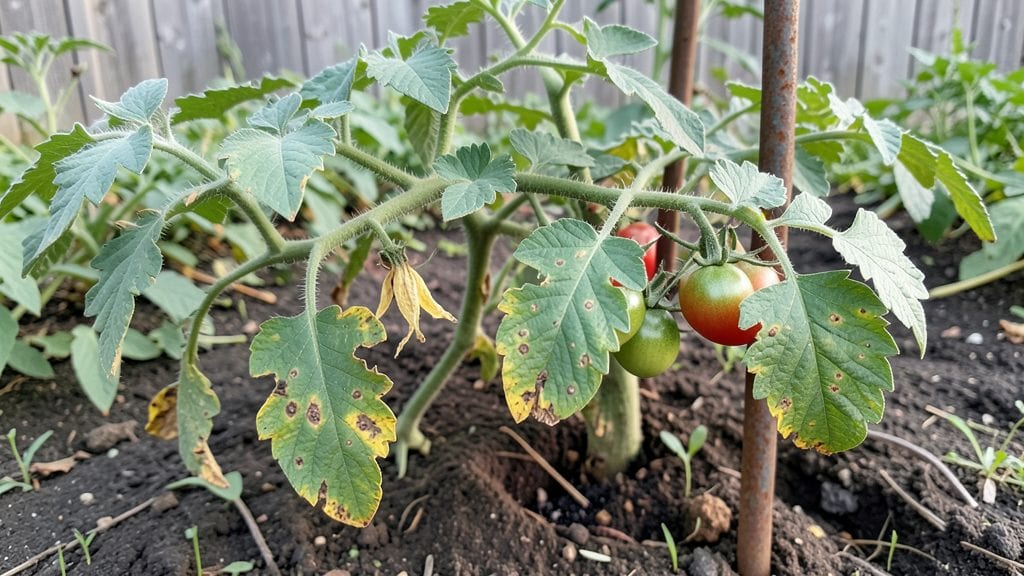
Identifying tomato plant diseases early saves your harvest—and my first garden was a crash course in spotting the warning signs before they wreck your plants. 🌱 The second you notice yellowing leaves, brown spots, or stunted growth, you're already behind, but knowing what to look for means you can act fast with organic fixes that actually work.
Most diseases start with tiny clues: early blight shows up as concentric rings on lower leaves, while powdery mildew coats stems in white fuzz. Late blight, the tomato killer, looks like greasy brown spots that spread fast in damp weather.
The key is catching these before they reach your fruit—once they do, it's too late for most treatments. I learned that the hard way with a basket of ruined tomatoes last summer.
You'll walk away with a simple checklist for diagnosing issues and organic solutions that stop diseases in their tracks—no chemicals needed. Copper sprays work for bacterial spots, neem oil tackles mildew, and proper spacing prevents fungal outbreaks.
The best part? These methods keep your garden healthy long after the harvest ends.
Whether you're dealing with wilting vines, mysterious spots, or sudden leaf drop, this guide covers the most common tomato diseases and how to treat them before they ruin your season. Let's get those plants back to thriving—and keep your tomatoes safe from the ground up.
Root Causes Of Tomato Ailments
Tomato plants, like all living organisms, are vulnerable to diseases when their balance is disrupted. Understanding why these issues arise helps gardeners take proactive steps to prevent them. Below, we break down the key factors—from microscopic invaders to environmental stress—that turn lush tomato plants into struggling survivors.
Most tomato diseases are caused by fungi, bacteria, or viruses, each with unique entry points and triggers:
- 🍄 Fungal Diseases (e.g., Early Blight, Late Blight, Powdery Mildew)
- Moisture + Warmth = Fungal Feast: Fungi thrive in humid conditions (70–90% humidity) and temperatures between 60–85°F (15–30°C). Overhead watering splashes spores onto leaves, creating ideal infection zones.
- Weakened Defenses: Plants stressed by poor nutrition (especially potassium or phosphorus deficiencies) or physical damage (e.g., hail, rough handling) are easier targets.
- Survival Tactics: Fungi often overwinter in soil or plant debris, meaning last year’s infected leaves could still harbor spores this season.
- 🦠 Bacterial Diseases (e.g., Bacterial Spot, Bacterial Wilt)
- Waterborne Spread: Bacteria latch onto wounds (e.g., from pruning, insects, or hail) and spread via rain, wind-driven splashes, or contaminated tools. Unlike fungi, they don’t need humidity—just open wounds and warmth (75–85°F / 24–29°C).
- Systemic Invasion: Some bacteria (like Ralstonia solanacearum) clog a plant’s xylem vessels, disrupting water flow and causing wilting—even in well-watered plants.
- 🦠 Viral Diseases (e.g., Tobacco Mosaic Virus, Tomato Yellow Leaf Curl)
- Vector-Dependent: Viruses can’t move on their own—they hitch rides on insects (e.g., aphids, whiteflies) or contaminated hands/tools. Once inside, they hijack plant cells to replicate.
- No Cure: Viruses often persist indefinitely in infected plants, making prevention (like removing weeds that attract pests) critical.
Diseases don’t just appear—they’re often triggered by poor growing conditions. Here’s how your garden’s environment can backfire:
- 💦 Excessive Moisture (Overwatering or Poor Drainage)
- Root Rot (Phytophthora, Pythium): Waterlogged soil cuts off oxygen to roots, inviting water-mold fungi that thrive in anaerobic conditions. Symptom clue: Yellowing leaves + mushy stems.
- Leaf Diseases: Wet foliage for >12 hours creates a perfect petri dish for spores. Drip irrigation or morning watering (so leaves dry by evening) helps.
- 🌡️ Temperature Extremes
- Heat Stress (Above 90°F / 32°C): Weakens plant cell walls, making them susceptible to sun scald or bacterial infections. Solution: Use shade cloth or mulch to moderate soil temps.
- Cold Snaps (Below 50°F / 10°C): Slows plant metabolism, reducing resistance to fungal spores already present in the soil.
- 🌬️ Poor Air Circulation
- Crowded Plants: Dense foliage traps humidity, slowing evaporation and creating ideal fungal conditions. Fix: Space plants 18–24 inches apart and prune for airflow.
- Greenhouse Effect: Plastic tunnels or thick mulch can trap heat and moisture, accelerating disease. Ventilation tip: Use fans or open vents during peak heat.
Even the best-intentioned gardeners can accidentally create disease-friendly conditions. Here’s how:
- 🌱 Planting Too Close to Last Year’s Tomatoes
- Soilborne Pathogens: Fungi like Verticillium wilt can survive in soil for years. Rotating crops (e.g., planting tomatoes after beans or lettuce) breaks the cycle.
- 🔪 Improper Pruning or Handling
- Open Wounds = Entry Points: Snipping leaves with dirty tools spreads bacteria. Sanitize tools with 70% alcohol between uses.
- Over-Pruning: Removing too many leaves reduces the plant’s ability to photosynthesize and fight infections.
- 🍽️ Ignoring Debris or Weeds
- Disease Reservoirs: Leaving infected plant material or weeds (like nightshade) in the garden feeds pathogens and attracts pest vectors. Cleanup tip: Remove all debris and compost it away from the garden.
💡 Pro Tip: Keep a disease diary to track conditions (humidity, rain, temps) alongside symptoms. Patterns will reveal your garden’s weak spots—like that shady corner where blight always strikes!
Fixing Tomato Plant Ailments Fast
Now that you’ve spotted the trouble, it’s time to roll up your sleeves and get your tomato plants back on track! The good news? Most common tomato diseases have simple, effective fixes—if you act quickly.
Below, we’ve mapped out step-by-step solutions for each culprit, plus prevention tips to keep your garden thriving. Think of this as your emergency repair kit for leafy greens gone rogue.
🔥 Remove the Problem First
- Prune aggressively: Snip off infected leaves (especially lower ones) using sterilized pruners (wipe with rubbing alcohol between cuts). Toss them in the trash—not the compost—to stop spores from recycling.
- Space plants for airflow: Crowded tomatoes trap moisture. Thin vines so leaves dry faster after watering.
🍳 DIY Fungicide Spray (Cheap & Effective) Mix 1 quart water + 1 tbsp baking soda + 1 tbsp vegetable oil + a drop of dish soap. Spray every 7–10 days (especially after rain). Why it works: The oil smothers spores, while baking soda raises leaf pH to fight fungus.
🌡️ Prevention for Next Season
- Rotate crops: Don’t plant tomatoes (or potatoes/peppers) in the same spot for 3 years.
- Mulch heavily: Use straw or black plastic to block soil splashes onto leaves.
- Water at the base: Avoid overhead sprinklers—wet leaves = fungus buffet.
⏰ Act FAST—This One’s Aggressive
- Destroy infected plants immediately: Dig up and burn or bag (double-bag!) affected plants to halt spore release. Don’t compost them!
- Spray copper fungicide: Use Bordeaux mix or a copper-based spray (like CuPro) every 5–7 days for 2 weeks. Pro tip: Add a chlorothalonil fungicide (like Daconil) for extra power.
👨🍳 Soil & Water Fixes
- Improve drainage: Late blight thrives in soggy soil. Amend clay soil with compost or sand.
- Water in the morning: Wet leaves dry faster, reducing spore germination.
🎯 Prevention for Future Gardens
- Choose resistant varieties: Look for ‘Mountain Merit’ or ‘Defiant PhR’ tomatoes.
- Plant early or late: Avoid peak humidity (late summer in most climates).
- Row covers: Use floating row covers to block spores from infected weeds/volunteer plants.
🔪 Trim & Isolate
- Remove all spotted leaves: Focus on upper leaves first—they’re the plant’s energy source.
- Disinfect tools: Wipe pruners with bleach water (1:10 ratio) between cuts.
🥘 Organic Spray Combo
- Neem oil + potassium bicarbonate: Mix 1 tsp neem oil + 1 tsp baking soda + 1 tsp soap per liter of water. Spray weekly until new growth appears.
- Bacterial spray (optional): Pseudomonas strains (like Serenade ASO) can outcompete the fungus.
💡 Long-Term Defense
- Solarize soil: Cover beds with clear plastic for 4–6 weeks in summer to kill spores.
- Avoid overhead watering: Use drip irrigation or soaker hoses.
- Crop rotation: Wait 3 years before replanting tomatoes in the same area.
🌿 Knock It Off (Literally)
- Hose it down: Spray leaves daily with water to dislodge spores (do this in the morning so leaves dry fast).
- Prune for sunlight: Thin vines to improve airflow—powdery mildew hates dry, sunny leaves.
🔥 DIY Remedies
- Milk spray: Mix 1 part milk + 9 parts water + a drop of soap. Spray every 3–5 days. Science says: Milk contains proteins that inhibit fungal growth!
- Sulfur dust: Lightly dust plants with elemental sulfur (follow package rates) for a natural fungicide.
🌡️ Prevention Tips
- Space plants 18–24 inches apart.
- Use reflective mulch: White plastic mulch bounces sunlight, reducing humidity near leaves.
- Resistant varieties: Try ‘Celebrity’ or ‘MoneyMaker’ tomatoes.
⚠️ No Cure—But You Can Manage It
- Remove infected plants: Dig up and destroy (don’t compost!) wilted plants to stop soil contamination.
- Solarize or fumigate soil: Cover beds with plastic for 4–6 weeks in summer to kill spores. For severe cases, use soil fumigant (like methyl bromide alternatives).
💪 Plant Smart Next Year
- Choose resistant varieties: Look for ‘Defiant PhR’ or ‘Heinz 1706’ (Fusarium-resistant).
- Raise beds: Use container growing or raised beds with fresh soil to avoid infected ground.
- Test your soil: Fusarium thrives in sandy or low-organic soils. Amend with compost to boost plant health.
🌟 Bonus: Universal Tomato Care Boosters
- Strengthen plants: Feed with compost tea or fish emulsion every 2 weeks for tougher leaves.
- Beneficial microbes: Add mycorrhizal fungi to soil to improve root health.
- Monitor daily: Check undersides of leaves (that’s where pests/diseases hide!).
Remember: The key to beating tomato diseases is speed + prevention. Once you’ve treated the current outbreak, adjust your garden habits to keep future plants healthy. Now go forth and save those tomatoes—your future salsa (or BLTs) depend on it! 🍅🔥
Frequently asked questions
What’s the fastest way to tell if my tomato plant has early blight vs. late blight?
Check the leaf spots: early blight shows concentric rings (like bullseye targets) on lower leaves, while late blight appears as greasy, dark brown spots that spread to upper leaves and fruit. Late blight also causes rapid wilting—act within 24 hours or you’ll lose the plant.
Can I still eat tomatoes from a plant with bacterial spot?
Yes, but only if the spots are on the leaves—not the fruit. Wash tomatoes thoroughly before eating, as bacterial spots (Xanthomonas perforans) can cause mild stomach upset. Remove and destroy infected leaves immediately to prevent spread.
Why does my tomato plant have yellow leaves but no spots?
This could signal nutrient deficiency (often nitrogen or magnesium), overwatering (root rot), or viral infection (like mosaic virus). Check stems for wilting (bacterial wilt) or yellow veins (virus). Test soil pH—tomatoes prefer 6.0–6.8.
How often should I spray neem oil to prevent powdery mildew?
Apply neem oil every 7–10 days at dawn or dusk, mixing 1 tsp neem oil + 1 tsp baking soda + 1 tsp soap per quart of water. Stop spraying 24 hours before harvest to avoid residue. For severe cases, add potassium bicarbonate for extra protection.
Will composting tomato plant debris spread diseases next year?
Yes—composting infected plants (especially fungal or bacterial diseases) can recycle spores. Instead, double-bag and trash diseased material or use it for hot composting (140°F+ for 3+ days) to kill pathogens. Solarize soil in summer as extra prevention.