
Companion Plants
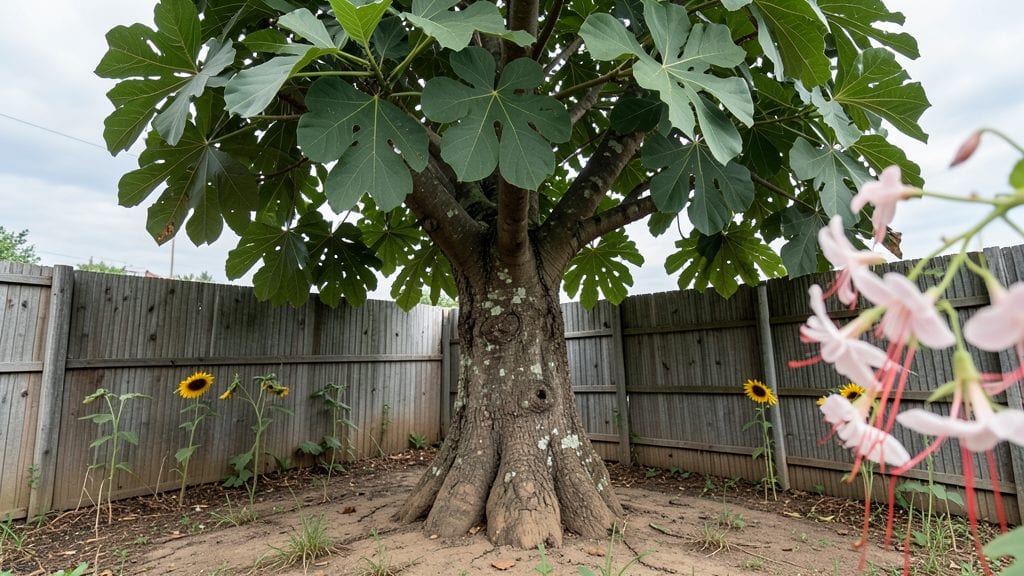
Growing silk trees (Albizia julibrissin) means fast shade and those dreamy pink puffs by summer’s end. ✨ I planted mine as a 5-foot sapling, and within two years, it cast enough shade to turn my backyard into a cool retreat.
The fluffy blooms don’t last long, but they’re worth the wait—plus, the feathery leaves add texture all season.
These trees thrive in full sun but tolerate partial shade, making them versatile for small yards or urban spaces. They’re not picky about soil either—just avoid soggy ground, and they’ll reward you with 3-4 feet of growth per year.
Mulch helps retain moisture, and a light fertilizer in spring keeps them happy without fuss.
By mid-summer, you’ll have a privacy screen that outshines any fence, with blooms that attract butterflies and hummingbirds. Prune lightly in late winter to shape it, and watch how quickly it fills out. The trade-off? They drop leaves in fall, but the structure stays lush year-round.
Works in zones 6-9, though they handle brief cold snaps surprisingly well. For colder climates, plant near a south-facing wall to extend their growing season. Here’s how to get started without the guesswork!
📚 In This Guide
- What you need
- Instructions
- Tips and common mistakes
- Wrapping up and next steps
What you need
- ● Silk tree seedlings or saplings: 3–5 plants per 10-foot section (for a lush, dense screen). Choose healthy, 2–3-foot-tall specimens from a reputable nursery.
- ● Well-draining soil: A mix of topsoil (60%), compost (30%), and perlite or sand (10%) to prevent root rot. Silk trees thrive in slightly acidic to neutral soil (pH 6.0–7.5).
- ● Organic mulch: 2–3 inches of wood chips or pine straw to retain moisture and suppress weeds.
- ● Watering can or hose with a gentle spray nozzle: Silk trees need 1–2 inches of water per week, especially during their first year.
- ● Fertilizer: A balanced, slow-release fertilizer (10-10-10 or 20-20-20) applied in early spring and mid-summer.
- ● Pruning shears or loppers: For shaping and maintaining your screen. Sterilize blades with rubbing alcohol before use.
- ● Garden gloves: Protect your hands from thorns (young silk trees can be prickly!).
- ● Stakes or garden twine: Support young trees if planting in windy areas.
- ○ Soil pH test kit: Ensure your soil is in the ideal range (optional but helpful).
- ● Drip irrigation system: Automates watering for a low-maintenance screen.
- ● Epsom salt (magnesium sulfate): A foliar spray (1 tbsp per gallon of water) can boost green foliage if leaves look pale.
- ● Decorative edging or lattice: Adds a polished look to your privacy screen (fun but not necessary!).
Step-by-step guide to planting silk tree for fast privacy screens
Here's how to turn your yard into a lush, green barrier in record time.
🌱 Step 1: Choose Planting Spots and Dig Holes
Silk trees thrive in full sun to partial shade, so pick a location with at least 6 hours of sunlight daily. Space your 4 plants about 15-20 feet apart—this gives them room to spread their broad canopies without crowding. The roots grow deep, so dig holes twice as wide as the root ball and as deep as the container.
I always loosen the sides of the hole with a shovel to prevent soil compaction around the roots. If your soil drains poorly, mix in a few handfuls of sand or compost to improve aeration. This helps the tree establish faster and reduces the risk of root rot.
🪴 Step 2: Remove Tree from Container and Plant
Gently squeeze the sides of the container to loosen the root ball before sliding the tree out. If roots are circling tightly, use your fingers to tease them apart—this encourages outward growth instead of girdling the stem. Place the tree in the hole so the top of the root ball sits 1-2 inches below soil level.
Real talk: Don't bury the trunk too deep. Silk trees are sensitive to suffocation, and buried stems can lead to rot. Backfill the hole with native soil, tamping lightly every 2 inches to remove air pockets. Water deeply right after planting to settle the soil around the roots.
☀️ Step 3: Water and Mulch for Fast Establishment
Water the newly planted silk tree until moisture seeps 6-8 inches deep—you'll know it's enough when water runs out of the bottom of the hole. After watering, spread 2-3 inches of mulch over the root zone, keeping it 6 inches away from the trunk to prevent moisture buildup.
I use wood chips because they break down slowly and improve soil structure over time. Mulch helps retain moisture, regulates soil temperature, and suppresses weeds—all critical for a fast-growing tree. Replenish mulch as it decomposes to maintain coverage.
⏰ Step 4: Provide Care for Rapid Growth
Silk trees grow 3-5 feet per year when happy, so keep the soil consistently moist but not soggy. Water deeply once a week during the first growing season, adjusting for rain. You'll see new leaves emerge within 4-6 weeks if conditions are right.
Fertilize lightly in spring with a balanced, slow-release fertilizer to support vigorous growth. Avoid heavy feeding—they prefer lean soil and over-fertilizing can lead to weak, leggy growth. Prune only to shape or remove dead branches; silk trees naturally develop a broad canopy that provides instant privacy.
🌿 Step 5: Monitor and Maintain for Long-Term Beauty
Check your trees monthly for pests like spider mites or aphids, which thrive in dry conditions. A strong spray of water usually knocks them off, but severe infestations may need insecticidal soap. Silk trees are drought-tolerant once established, but young trees benefit from regular watering during dry spells.
Here's the thing—silk trees drop their leaves in fall and winter, but they regrow quickly in spring. This natural cycle means you won’t have year-round foliage, but the fast growth makes up for it. Within 2-3 years, your screen will be dense enough to block views and provide shade.
Tips & tricks for planting silk trees for fast privacy
Planting silk trees for privacy is all about speed and strategy—here's how to maximize their rapid growth potential.
Sunlight Strategy: Silk trees need at least 6 hours of sunlight daily, but they thrive best with full sun exposure. If your location only gets partial shade, choose the sunniest spot available. I've found that trees in full sun grow about 1 foot taller per year compared to those in partial shade. Position your 4 plants where they'll receive morning sun and afternoon shade if needed, but avoid deep shade areas entirely.
Root Ball Prep: The key to fast establishment is handling the root ball correctly. Before removing the tree from its container, gently squeeze the sides to loosen the roots. If you notice roots circling tightly, use your fingers to carefully tease them apart—this prevents girdling and encourages outward growth. Place the tree so the top of the root ball sits just 1-2 inches below soil level; any deeper and you risk suffocating the trunk.
Watering Wisdom: Watering deeply until moisture seeps 6-8 inches down is crucial for fast root development. I recommend using a garden hose with a gentle spray attachment to avoid disturbing the soil. After watering, spread 2-3 inches of mulch (keeping it 6 inches away from the trunk) to lock in moisture. This mulch layer also regulates soil temperature—critical for young trees establishing in the first 4-6 weeks.
Growth Timeline: Silk trees grow 3-5 feet per year when properly cared for, but the first year is critical. Focus on consistent moisture (watering once a week) and light fertilization in spring. You'll notice new leaves emerging within 4-6 weeks if conditions are right. The secret to fast privacy is patience during this establishment period—trees planted correctly will reach full privacy within 2-3 years.
Pro Tips for Silk Tree Plants
- Planting silk trees for privacy is all about speed and strategy—here's how to maximize their rapid growth potential.
- Sunlight Strategy: Silk trees need at least 6 hours of sunlight daily, but they thrive best with full sun exposure.
- Root Ball Prep: The key to fast establishment is handling the root ball correctly.
Frequently asked questions
Got questions about silk tree plants? You’re not alone!
Whether you're a first-time gardener or looking to upgrade your privacy screen, here are answers to the most common queries about these stunning, fast-growing trees.
How fast do silk tree plants grow?
Silk trees (like the Albizia julibrissin) are rapid growers, often adding 3 to 6 feet per year under ideal conditions. With proper care—full sun, well-draining soil, and regular watering—they can create a lush privacy screen in just a few seasons! Perfect for impatient gardeners.
Can silk trees survive cold winters?
Most silk trees are hardy in USDA zones 6-9, meaning they tolerate mild to moderate winters. However, young trees or Albizia varieties may need winter mulching or protection from harsh winds. In colder zones, opt for Chorisia insignis (silk floss tree), which handles frost better. Always check your specific variety’s hardiness!
Are silk trees good for small yards?
Silk trees can work in small spaces if pruned regularly and planted in containers (for dwarf varieties like Albizia lebbeck). However, mature trees can reach 20-40 feet tall, so measure your space first! For tighter areas, consider podocarpus or bamboo as alternatives.
Do silk trees attract pests or bees?
While their fragrant flowers attract pollinators (like bees and butterflies), silk trees aren’t typically aggressive pests. However, watch for aphids or spider mites in dry conditions. Aphids can be rinsed off with water, and mites deterred with neem oil. Bonus: The tree’s fuzzy seed pods add whimsical charm!
What’s the best alternative if silk trees don’t thrive in my climate?
If your area is too hot, cold, or humid, try these fast-growing privacy screen alternatives:
- Leyland cypress (zones 6-10) – Tall, dense, evergreen
- Bamboo (zones 5-12) – Screening + bamboo’s elegance
- Empress tree (zones 7-10) – Quick-growing with glossy leaves
- Hornbeam (zones 4-8) – Cold-hardy with striking bark
Wrapping up and next steps
Silk tree plants are a fantastic choice for anyone dreaming of a lush, fast-growing privacy screen that thrives year-round! With their easy care, stunning foliage, and ability to grow up to 6 feet per year, they’re perfect for adding beauty and seclusion to your outdoor space.
Whether you’re a gardening beginner or a seasoned pro, these trees offer low-maintenance elegance with high rewards.
Ready to transform your yard? Start by selecting the right spot—sunny and spacious—and grab your silk tree plants today. Watch as your vision grows into a vibrant, private oasis in no time! 🌿✨