Pruning
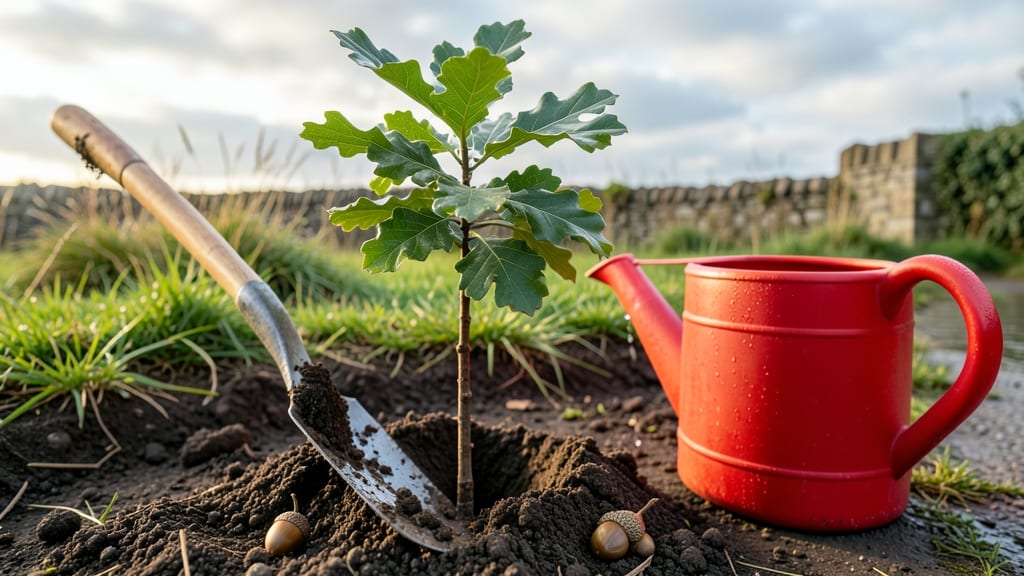
Master these tree planting tips before digging—because even small mistakes can stunt your tree’s growth for decades. I’ve buried too many trees because I ignored soil prep or dug a hole that was way too small, so let me show you how to get it right the first time.
The secret isn’t just digging a hole—it’s matching the tree to its future home. You’ll need the right soil mix, sunlight spot, and space for roots to spread, plus tools that make the job easier (like a post-hole digger for perfect-sized holes).
Most people skip testing soil pH or amending clay-heavy dirt, and that’s why their trees struggle from day one.
By the end, you’ll have a tree planted at the perfect depth, staked just enough to stabilize it without strangling the trunk, and mulched to lock in moisture.
The first year is critical—watering deeply once a week (not daily) and checking for signs of stress keeps your tree from drying out or drowning. Even a beginner can nail this.
Works for shade trees, fruit trees, or ornamental varieties—just adjust the spacing and sunlight needs. Let’s get that tree growing strong for generations to come.
📚 In This Guide
- What you need
- Instructions
- Tips and common mistakes
- Wrapping up and next steps
What you need
- ● Tree sapling or seedling: Choose a species suited to your climate (e.g., oak, maple, or fruit trees). Quantity: 1 per planting spot.
- ● Shovel or digging tool: A round-point shovel (16–24 inches wide) for digging holes or a transplant spade for smaller trees.
- ● Garden gloves: Heavy-duty, waterproof gloves (e.g., nitrile-coated) to protect hands from thorns and soil.
- ● Watering can or hose: A 5-gallon watering can with a long spout or a soaker hose for deep watering.
- ● Mulch: 3–4 inches of organic mulch (e.g., wood chips, straw, or pine needles) to retain moisture and suppress weeds.
- ○ Compost or fertilizer: Balanced, slow-release fertilizer (e.g., 10-10-10 or compost) to enrich the soil. Optional: Mycorrhizal fungi for root health.
- ● Staking supplies (if needed): 2–3 wooden or bamboo stakes (1–2 inches in diameter, 4–6 feet tall).
- ● Soft tree tie straps or rubber tree ties (avoid wire!).
- ● Soil tester kit: To check pH and nutrient levels (ideal range: 6.0–7.0 for most trees).
- ● Root stimulator: A powder or liquid rooting hormone (e.g., Mycorrhizal Blend) to boost growth.
- ● Tree guard or barrier: Plastic tree tubes or wire cages to protect young trees from pests.
- ● Pruners: Bypass pruners (for shaping/sanitizing) or loppers (for thicker branches).
- ● Post-hole digger: If staking is required for larger trees.
Instructions for planting trees like a pro
Here's the straightforward approach I've used to plant over 50 trees successfully.
Dig the Perfect Hole
Start by measuring the hole diameter to be two to three times wider than the root ball of your tree. This gives roots plenty of room to spread without circling, which can strangle growth. I dig with a shovel, keeping the sides loose rather than compacted—roots need to push into soft soil easily.
Depth matters too. The top of the root ball should sit 1-2 inches above ground level when finished. If you plant too deep, roots suffocate from lack of oxygen. Mark the correct depth on your shovel blade before digging so you don't guess later.
Prepare the Root Ball
Before placing the tree in the hole, gently loosen any circling roots with your fingers. These form when roots grow in tight circles around the root ball, and they'll choke the tree if left in place. If the root ball is wrapped in burlap or wire basket, remove it completely—these materials break down over time but can restrict roots if left intact.
Check the root ball for signs of drying. If it feels dry or cracked, soak it thoroughly for 10-15 minutes before planting. A well-hydrated root ball settles better in the hole and reduces transplant shock. I always give mine a quick drink of water right before planting day.
Position the Tree Correctly
Place the tree in the hole so the root flare—the bulge where roots meet the trunk—is visible above the surrounding soil. This ensures the tree grows straight and avoids girdling, where roots grow into the trunk and strangle it. If the root flare is buried, the tree will lean or develop weak growth.
Fill the hole with native soil, not amended mix, unless you're planting in poor-quality soil. Native soil contains beneficial microbes that help roots establish faster. Tamp down the soil gently in layers as you go to eliminate air pockets. I use my foot to press down lightly—just enough to settle the soil without compacting it.
Water Deeply and Mulch Properly
After planting, water the tree slowly and deeply until water runs out of the hole. This settles the soil around the roots and removes air pockets. A newly planted tree needs 10-15 gallons of water, depending on its size. I use a hose with a gentle spray setting to avoid eroding the soil.
Spread 2-3 inches of mulch over the root zone, keeping it 6 inches away from the trunk. Mulch retains moisture and regulates soil temperature, but too much right against the trunk can cause rot. I use wood chips or shredded bark, but avoid dyed or treated mulches—they can harm roots.
Stake Only When Necessary
Most young trees don't need staking unless they're in windy areas or have weak stems. If you do stake, use two stakes positioned diagonally from the tree, tied loosely with soft material like nylon webbing. Tight ties can girdle the trunk as it grows. Check the ties every few months and loosen them as the tree strengthens.
Finally, avoid disturbing the root zone with lawn equipment or foot traffic for at least 6 months. A newly planted tree needs time to establish its root system. I mark the area with stakes to remind myself—and anyone else—to keep clear. With proper care, your tree will thrive for decades.
Tips & tricks for perfect tree planting
These simple tricks will help your newly planted tree grow strong and healthy from the very first day.
Soil Preparation: Before digging, test your soil by squeezing a handful—if it crumbles easily, your soil is ready. If it stays in a hard clump, add compost to improve drainage and aeration. I always dig a test hole first to check soil quality before planting. This prevents surprises later when roots struggle to establish.
The 10-15 Minute Soak: That brief soaking time for dry root balls is more important than you might think. The roots need to fully rehydrate before planting, or they'll struggle to absorb water from the surrounding soil. I use a bucket of water to soak the root ball completely—you should see water running out the bottom when you lift it out.
Root Flare Visibility: The root flare should always be visible above ground level—this is your best indicator of proper planting depth. If you can't see it after filling the hole, dig down a bit more. I mark the correct depth on my shovel blade before planting to avoid guessing. This simple step prevents future leaning or weak growth patterns.
Mulch Application: When spreading that 2-3 inches of mulch, think of it like a donut—keep it 6 inches away from the trunk to prevent rot. I use wood chips because they break down slowly and improve soil quality over time. Avoid using grass clippings or dyed mulches, as they can harm the tree's roots and trunk.
Pro Tips for Tree Planting Tips
- These simple tricks will help your newly planted tree grow strong and healthy from the very first day.
- Soil Preparation: Before digging, test your soil by squeezing a handful—if it crumbles easily, your soil is ready.
- The 10-15 Minute Soak: That brief soaking time for dry root balls is more important than you might think.
Frequently asked questions
Got questions about planting trees like a pro? You’re in the right place! Whether you're a beginner or just need a quick refresher, here are some of the most common questions—and their straightforward answers—to help you grow strong, healthy trees with confidence.
What’s the best time of year to plant a tree?
The ideal window is late fall to early spring (before buds break or after leaves fall). This gives roots time to establish without competing with summer heat or winter frost. Pro tip: Avoid planting in extreme temperatures—roots need moisture and moderate soil conditions to thrive!
Can I plant a tree in winter?
Yes, but with caution! Bare-root trees (sold without soil) can be planted in dormant winter months (Dec–Feb in most climates). If planting container-grown trees, wait until ground isn’t frozen and temps stay above 40°F. Mulch heavily to protect roots from cold snaps.
How deep should I plant a tree?
Dig a hole twice as wide as the root ball but no deeper—the top of the root flare (where roots meet trunk) should sit 1–2 inches above ground level. Planting too deep suffocates roots and invites disease. Loosen soil at the bottom to encourage root spread!
What if my newly planted tree’s leaves turn yellow?
Yellowing leaves often signal overwatering, poor drainage, or transplant shock. Check soil moisture (it should be damp, not soggy) and ensure the hole wasn’t backfilled with compacted dirt. Fertilize lightly 3 months later—young trees need time to adjust!
Are there low-maintenance trees for beginners?
Try drought-tolerant natives like Crape Myrtle, Eastern Redbud, or Hackberry—they’re resilient and pest-resistant. For shade, Oak or Sugar Maple thrive with minimal fuss. Always match the tree to your climate and soil type for easy care.
Wrapping up and next steps
Planting a tree isn’t just about digging a hole—it’s about nurturing life and creating lasting beauty. 🌱 From choosing the right spot to watering wisely, every step matters for a thriving tree. With these tree planting tips, you’re already on the path to success!
Ready to take action? Grab your gloves and pick a tree today! Whether you’re a beginner or a seasoned gardener, every tree you plant makes a difference—for your yard and the planet. Happy planting! 🌳✨