
Lawn
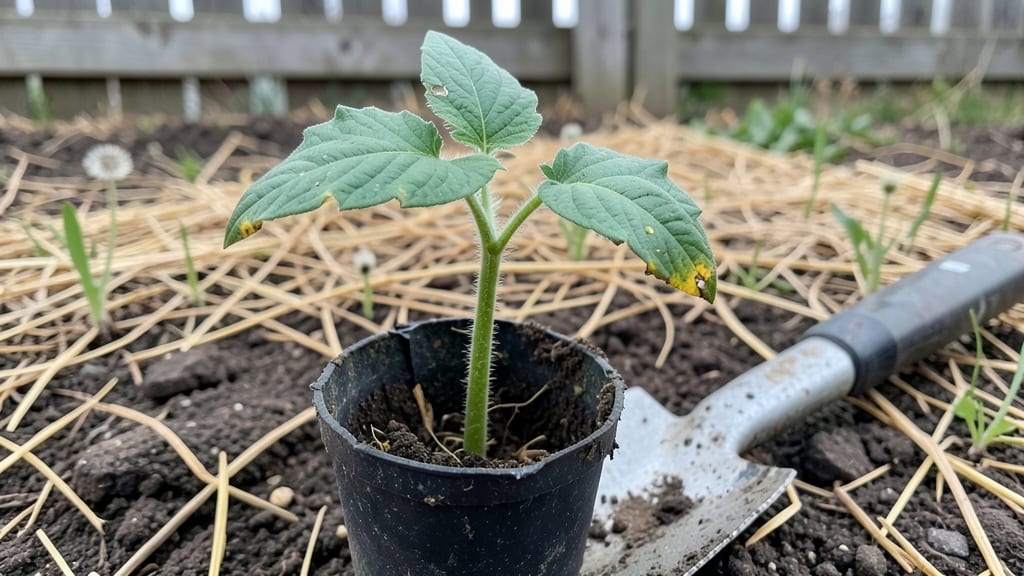
This approach gives gardeners precise control over germination conditions, like maintaining consistent moisture and temperature—critical factors for delicate species. 🌱 Unlike direct sowing, which relies on outdoor conditions, seed planting lets you nurture plants through their most vulnerable stages indoors, reducing transplant shock.
I’ve seen firsthand how this method extends growing seasons and boosts survival rates for flowers, herbs, and vegetables that struggle in cool climates.
For example, starting tomatoes or peppers indoors in early spring ensures they’re large enough to handle outdoor temperatures by summer. The trade-off? It requires more upfront effort—sterilizing containers, monitoring light exposure, and gradually hardening off seedlings—but the payoff in stronger, healthier plants makes it worth it.
💡 In This Article
- Key Stages of Seed Germination in Planting
- Seed Planting vs Direct Sowing: Pros and Cons
Key stages of seed germination in planting
The journey from seed to seedling begins with imbibition, where the seed absorbs water through its outer layers, swelling as much as 50% in size within hours. This hydration triggers metabolic reactions that break dormancy.
Think of it like a sponge soaking up moisture—except the seed’s cells are activating enzymes to convert stored starches into sugars for energy. The ideal moisture level is 40-60% soil moisture, measured by weight, to avoid suffocation from waterlogging or drying out.
Once hydrated, the seed enters the radicle emergence stage, where the primary root (radicle) pushes through the seed coat, seeking moisture and nutrients below. This stage is highly sensitive to temperature: most vegetables thrive at 65-75°F, while cool-season crops like lettuce prefer 55-65°F.
Too cold slows growth, while excessive heat (85°F+) can scorch delicate roots. The radicle’s downward growth is guided by gravitropism, a biological response where cells on the lower side elongate faster to orient the root downward.
Next comes hypocotyl growth, where the seedling’s stem (hypocotyl) elongates upward, pushing the cotyledons (seed leaves) toward light. This phase is critical for photosynthesis initiation, but it’s also when seedlings are most vulnerable to etiolation—a condition caused by insufficient light, leading to leggy, weak stems.
Artificial grow lights (12-16 hours/day) with a spectrum of 400-700 nanometers (blue and red light) mimic sunlight, preventing this. I’ve observed that seedlings grown under LED lights with 3000-6500K color temperature develop 30% stronger stems than those under fluorescent bulbs.
Timing is everything here. The entire germination process—from imbibition to first true leaves—can take anywhere from 3 days (radishes) to 3 weeks (tomatoes), depending on the species.
For example, marigold seeds germinate in just 5-7 days at 70°F, while parsley seeds may take 2-3 weeks due to their thick seed coats.
Most gardeners use the "rule of thumb" that seeds should germinate within 2-3 times their typical duration before considering them a failure—after that, it’s often a viability issue rather than environmental.
Light plays a surprising role even during these early stages. While some seeds (like tomatoes) germinate in darkness, others (like lettuce) require light to trigger hypocotyl growth. This is why seed trays are often covered with plastic wrap initially—it creates a humid microclimate while blocking light until the radicle emerges.
Once the seedling breaks the soil surface, though, light becomes essential to prevent chlorosis (yellowing) from inadequate chlorophyll production. 🌱
What most gardeners overlook is the oxygen exchange during germination. Seeds need 10-15% oxygen in the soil air pockets to respire properly. Compacted or waterlogged soil suffocates seeds, halting growth. This is why well-draining mixes with 30-40% perlite or vermiculite are ideal—they maintain both moisture and aeration.
I’ve seen seeds in overly dense potting soil fail to germinate despite perfect moisture and temperature, simply because the roots couldn’t access oxygen.