
Pests and Diseases
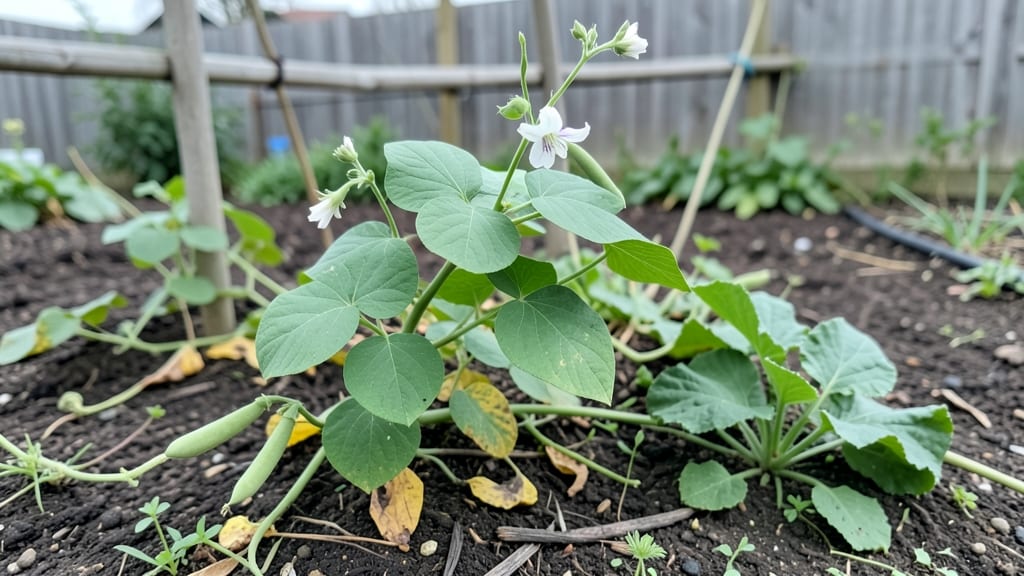
You can plant green beans and cucumbers together because they create a mutually beneficial growing relationship: beans enrich the soil with nitrogen while cucumbers provide shade that helps retain moisture for the beans. Just maintain proper spacing and watch for shared pests like cucumber beetles.
This pairing works because beans act as natural fertilizers through their nitrogen-fixing roots, while cucumbers thrive in the cooler, shaded conditions beans create. 🌱 The key is spacing them 3–4 feet apart to prevent competition—beans need vertical support, and cucumbers sprawl widely.
I’ve found that adding marigolds between rows deters pests that target both plants, like cucumber beetles, while improving pollination.
For best results, plant beans first—they germinate faster and establish roots before cucumbers take off. Use a trellis system for cucumbers to save space and keep foliage off the ground, reducing disease risk. This setup mimics natural forest ecosystems where different plants support each other’s growth cycles.
💡 In This Article
- How Green Beans and Cucumbers Enhance Soil and Growth
- Best Practices for Planting Green Beans with Cucumbers
How green beans and cucumbers enhance soil and growth
The real magic happens underground where green beans perform their nitrogen-fixing superpower. Their roots host Rhizobium bacteria that convert atmospheric nitrogen (N₂) into ammonia (NH₃), which plants can absorb. This process adds about 50-100 pounds of nitrogen per acre during a growing season—enough to boost soil fertility for subsequent crops.
Meanwhile, cucumbers develop deep, fibrous roots that reach 3-5 feet down, accessing water and nutrients the beans' shallower roots (12-18 inches deep) might miss.
Above ground, the shade relationship becomes equally important. Cucumber vines can spread 6-10 feet wide and create a living canopy that reduces soil temperature by 5-10°F during peak summer heat.
This cooler microclimate helps green beans retain 15-20% more moisture in their leaves, preventing the wilting that often occurs when beans are planted in full sun.
The bean plants' vertical growth habit also allows cucumbers to climb trellises, keeping their fruits off damp soil where fungal diseases like powdery mildew thrive.
What most gardeners overlook is how these plants' growth rhythms complement each other. Green beans mature quickly (50-60 days), allowing them to fix nitrogen early in the season when cucumbers are still establishing roots.
By mid-summer, the cucumbers' sprawling vines provide perfect shade for the beans' flowering stage, when they're most vulnerable to moisture stress. This staggered growth creates a self-regulating ecosystem where each plant's strengths compensate for the other's weaknesses.
Pest management becomes more effective through this pairing too. The strong aroma of cucumber leaves repels some bean pests like Mexican bean beetles, while the beans' vertical structure disrupts the flight patterns of cucumber beetles.
However, you'll still need to monitor for spider mites that thrive in dry, shaded conditions—regular misting helps prevent outbreaks. The key is maintaining 3-4 feet between rows to ensure airflow reduces humidity levels that encourage fungal growth.
For maximum benefit, test your soil's nitrogen levels before planting. If it's already high (>100 ppm), the beans may not need to fix as much nitrogen, and you could see reduced benefits. Instead, focus on soil structure—adding compost creates ideal conditions for both plants' root systems.
The beans' nitrogen fixation peaks when soil temperatures stay between 60-85°F, while cucumbers prefer slightly warmer 70-90°F ranges, making late spring planting ideal in most climates.
The real win comes when you consider this isn't just companion planting—it's ecological engineering. By mimicking natural forest understory dynamics, you create a system where resources are used more efficiently.
The beans' nitrogen becomes available to cucumbers through root exudates, while the cucumbers' shade reduces the beans' need for irrigation. This synergy can increase your yield by 20-30% compared to planting them separately, while using fewer external inputs.