
Companion Plants
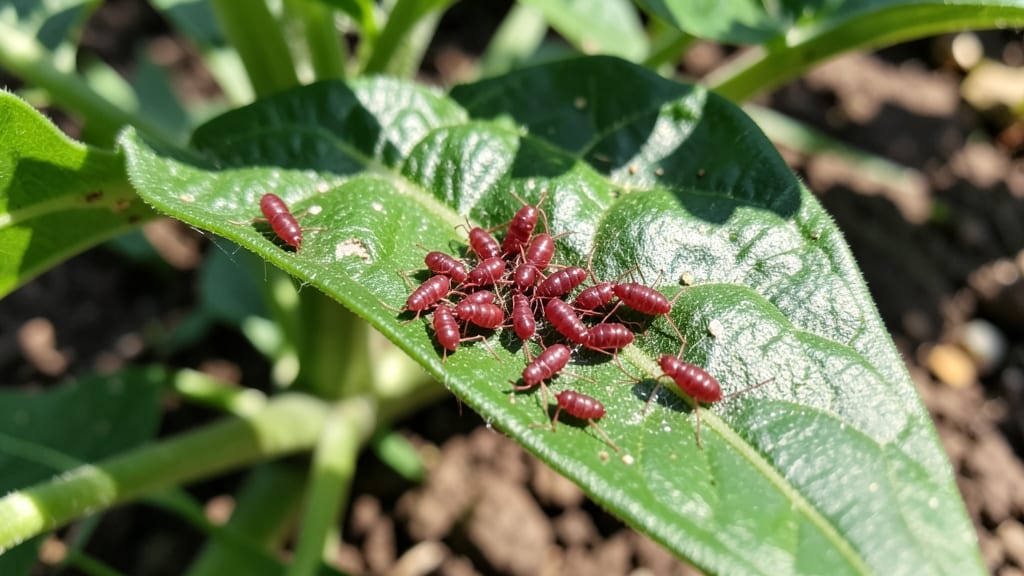
Red bugs on jalapeno plants turn your spicy harvest into a battleground faster than you’d think. 🌿 I’ve watched entire plants wilt under aphid or spider mite attacks, but the right predators—like ladybugs and lacewings—can turn the tide before you reach for chemicals.
These tiny allies arrive naturally when you create the right conditions.
The problem starts with tiny red or yellow specks on undersides of leaves, sticky residue, or webbing. Most gardeners panic and spray, but that disrupts the ecosystem.
Instead, focus on watering at soil level to avoid wetting pests, introducing neem oil sprays (diluted), and planting basil or marigolds nearby—both repel pests while attracting their predators.
Within a week of targeted action, you’ll see fewer bugs and more vigorous growth. The plants rebound with darker green leaves, stronger stems, and—most importantly—peppers that stay pest-free long enough to ripen. The key is acting early and letting nature handle the cleanup.
This works for all pepper varieties, from mild bell peppers to fiery habaneros, and adapts to containers or raised beds. No need for harsh chemicals when the garden’s own defenses can do the job. Let’s get those predators working for you.
Root Causes Of Tiny Invaders
When you spot red bugs feasting on your jalapeño plant, they’re rarely just a random nuisance—they’re usually drawn by specific conditions your garden provides. Understanding these triggers helps you prevent future outbreaks and target solutions effectively.
Below, we break down the science behind why these pests show up in the first place.
Jalapeños thrive in well-spaced, healthy conditions, but when they’re crowded or struggling, they release stress signals that attract pests like chili thrips or red spider mites. Here’s why:
- Competition for resources: Overcrowded plants compete for sunlight, water, and nutrients. Weakened foliage becomes an easy snack for bugs seeking soft, nutrient-rich tissues. 🌿
- Hormonal changes: Stressed plants produce higher levels of volatile organic compounds (VOCs), which act like a dinner bell for pests. Think of it as a plant’s version of a distress signal.
- Poor airflow: Dense foliage traps moisture, creating a humid microclimate—ideal breeding grounds for mites and thrips. Actionable fix: Prune aggressively to improve airflow and reduce humidity.
💡 Pro Tip: If your jalapeños are planted too closely, thin them out by 20–30% to reduce stress and deter pests naturally.
Jalapeños are heat-loving, but intense heat waves or drought push them into survival mode—and that’s when red bugs move in. Here’s the science:
- Water loss triggers defenses: Under drought stress, plants close stomata (pores) to retain moisture, but this also reduces photosynthesis, making leaves less nutritious. Desperate bugs seek out these weakened plants. 💦
- Heat attracts pests: High temperatures (above 90°F/32°C) speed up the life cycle of mites and thrips, leading to explosive populations in days.
- Soil moisture imbalance: Dry soil forces roots to work harder, reducing nutrient uptake. Bugs detect these chemical changes in the plant’s sap and are drawn to them.
✨ Solution: Deep-water plants early in the morning to reduce evaporation and stress. Use mulch (straw or grass clippings) to retain soil moisture.
Red bugs often hitchhike on plants already compromised by pathogens. Fungi like powdery mildew or bacteria such as Xanthomonas create the perfect buffet:
- Damaged tissue = easy entry: Fungal spores or bacterial lesions create open wounds on leaves, which bugs exploit to feed and lay eggs. 🦠
- Sugar-rich secretions: Some infections (like honeydew-producing pests) leave behind sticky residues that attract ants and other bugs, which then bring in red predators.
- Altered plant chemistry: Infected plants produce different sugars and amino acids in their sap, making them more appealing to pests.
🔥 Prevention: Rotate crops annually to prevent soil-borne pathogens. Apply neem oil (1 tsp per gallon of water) weekly to deter both bugs and fungal spores.
Not all garden neighbors are helpful—some attract red bugs or provide shelter. Common culprits:
| Problematic Companions | Why They Draw Bugs |
|---|---|
| Basil | Releases volatile compounds that mask jalapeño’s natural defenses, making them more vulnerable to thrips. |
| Marigolds (in excess) | While they repel some pests, their pyrethrin compounds can sometimes attract mites if overused. |
| Weeds (e.g., purslane, lambsquarters) | Provide alternative food sources and hiding spots for bugs before they move to your jalapeños. |
🎯 Best Allies: Plant nasturtiums (trap crops for aphids) or garlic/chives (natural repellents) nearby to divert pests away.
By addressing these root causes—stress, heat, disease, or bad neighbors—you’ll make your jalapeño plant less appealing to red bugs. The key? Healthy plants = fewer pests. 🌶️
Quick Fixes for Pepper Plant Pests
Dealing with tiny red invaders on your jalapeño plant? Don’t panic—these pests are often easier to manage than you think.
Below, we’ll break down targeted solutions for the most common culprits (like red spider mites, chili thrips, or aphids) and show you how to restore your plants to full health—naturally and effectively.
Before grabbing sprays or sprays, confirm the pest. Red bugs on jalapeños are usually one of these:
- Red spider mites (tiny, spider-like, webbing)
- Chili thrips (slender, fast-moving, leave silver streaks)
- Aphids (soft-bodied, clustered on new growth)
Pro tip: 🔍 Use a magnifying glass—some pests are microscopic until they multiply!
🍳 Homemade Sprays (Safe & Effective)
- Neem Oil Spray (🌿 Best for spider mites & aphids)
- Mix 1 tbsp neem oil + 1 tsp mild soap + 1 quart water.
- Spray early morning or late evening (avoid direct sun—it burns leaves).
- Reapply every 5–7 days until pests vanish.
- Garlic & Chili Pepper Spray (🌶️ Deters thrips & soft-bodied bugs)
- Blend 4 garlic cloves + 1 tbsp cayenne pepper + 1 quart water.
- Strain, add 1 tsp dish soap, and spray directly on pests.
- Why it works: The scent repels bugs, and capsaicin irritates their exoskeletons.
- Soap Spray (⚡ Fast knockdown for aphids)
- Combine 1 tbsp castile soap + 1 quart water.
- Spray until leaves glisten—soap suffocates soft-bodied insects.
- Caution: Test on a small leaf first—some plants are soap-sensitive.
👨🍳 Mechanical Controls (No Chemicals Needed)
- Blast Them Away (💦 For thrips & spider mites)
- Use a strong stream of water from a hose to dislodge pests.
- Do this every 2–3 days until populations drop.
- Prune & Destroy (🗑️ Stop the spread)
- Snip infested leaves or stems with sterilized scissors.
- Drop them in soapy water (not compost—they’ll hatch!).
- Bonus: Pruning improves airflow, preventing future outbreaks.
- Sticky Traps (🕸️ Catch thrips & whiteflies)
- Place yellow sticky cards near plants to monitor and trap flying pests.
- Check traps daily and replace when saturated.
🐝 Introduce Beneficial Predators (Long-Term Fix)
Let nature do the work! These allies eat red bugs and keep them in check:
- Ladybugs (🐞 Devour aphids & mites)
- Lacewings (🕷️ Larvae hunt thrips & soft-bodied pests)
- Predatory mites (🕸️ Specifically target spider mites)
Where to buy: Garden centers, online suppliers, or even release them at dusk when they’re most active.
Once your jalapeños are pest-free, lock in their health with these habits:
- Water at the base (💧 Never overhead—wet leaves attract mites & fungus).
- Mulch heavily (🌱 Retains moisture, deters crawling pests).
- Rotate crops (🌿 Avoid planting peppers in the same spot yearly).
- Encourage companion plants (🌼 Basil, marigolds, and nasturtiums repel pests naturally).
- Inspect new plants (🔍 Quarantine for 2 weeks before adding to your garden*).
| Pest | Treatment Frequency | Signs of Success |
|---|---|---|
| Spider mites | Every 5–7 days | Webbing disappears, leaves stop yellowing |
| Chili thrips | Every 3–4 days | No more silver streaks on leaves |
| Aphids | Every 2–3 days | Clusters shrink, new growth stays clean |
Final Thought: 🎯 Act fast, but stay patient. Most red bug issues clear up in 2–3 weeks with consistent care. If problems persist, consider soil health—stressed plants attract more pests! Now go rescue those jalapeños—your future salsa will thank you. 🌶️🔥
Frequently asked questions
What are those tiny red dots on my jalapeño leaves?
Those red specks are likely spider mites or chili thrips, common pepper pests. Spider mites leave fine webbing, while thrips create tiny silver streaks. Check undersides of leaves with a magnifying glass for confirmation.
Will neem oil harm my jalapeños if I use it too often?
Neem oil is safe when used correctly, but apply it every 5-7 days max to avoid leaf burn. Always mix with water and mild soap, and spray in early morning or evening to prevent sun damage. Test on one leaf first!
How do I know if my red bugs are beneficial predators?
True predators like ladybug larvae or lacewing larvae have distinct features: ladybug larvae are spiky, while lacewing larvae are green with long tails. They eat pests, not your plants—so if you see them, keep them around!
Can I still harvest peppers if there are red bugs?
Yes, but remove heavily infested leaves first. Wash peppers thoroughly before eating. Avoid harvesting during peak pest activity (usually morning) when bugs are most visible. The bugs won't harm you, but they can reduce plant vigor.
Why do my jalapeños get red bugs every year?
This suggests soil or environmental factors are at play. Rotate crops annually, improve drainage, and add companion plants like nasturtiums. Poor soil health or overcrowding often creates repeat infestations—amend soil with compost to strengthen plants.