
Pruning
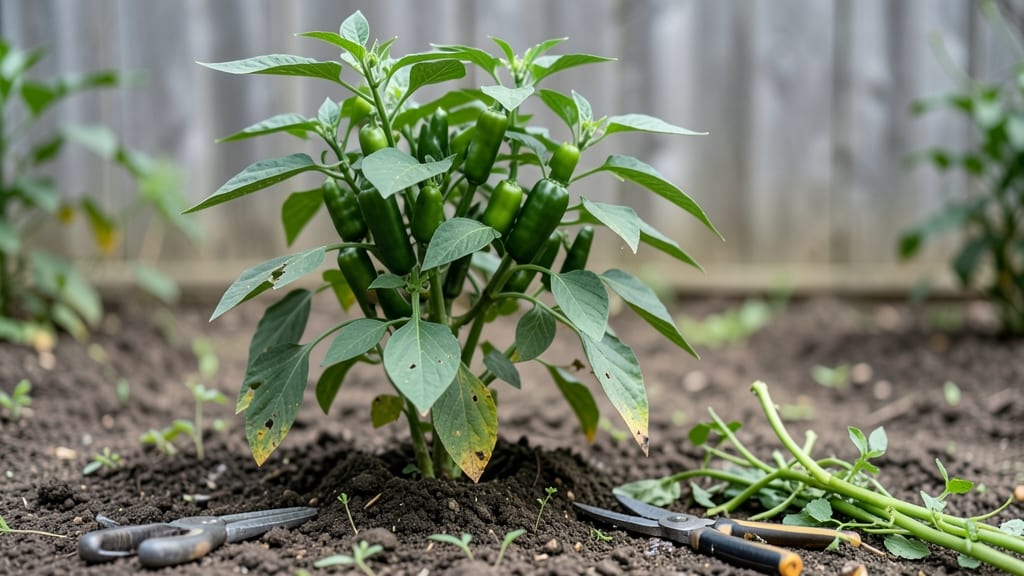
Trimming a jalapeño plant isn’t just about keeping it tidy—it’s the secret to doubling your harvest and preventing leggy, weak stems that flop over by midsummer. 🌱 After years of accidentally pruning too late (or not at all), I finally cracked the system that turns one plant into a bushy, fruit-loaded powerhouse.
The key? Timing, the right cuts, and knowing which stems to keep—and which to snip without hesitation.
You’ll need clean pruners, a sharp knife, and maybe a small notebook to track your cuts. Start when plants hit 12-18 inches tall, focusing on suckers (those tiny shoots between the main stem and branches) and leggy stems that stretch toward the sky.
These cuts might feel brutal at first, but they force the plant to put energy into thicker branches and more flowers—not just one long, sad stem.
After trimming, your jalapeños will reward you with denser foliage, stronger stems, and a harvest that lasts weeks longer than unpruned plants. The first batch of peppers appears sooner, and the plant stays compact enough to handle heavy fruit without snapping.
Just keep watering consistently and give them full sun (6+ hours daily)—the cuts alone won’t work magic without the right aftercare.
This method works for container-grown plants just as well as in-ground beds, and it’s especially useful if you’re growing in hot climates where plants bolt quickly. The worst that can happen?
You’ll end up with a bushier plant and maybe a few extra peppers to share. Now grab those shears—your next harvest starts with a single cut.
📚 In This Guide
- What you need
- Instructions
- Tips and common mistakes
- Wrapping up and next steps
What you need
- ● Pruning shears or sharp scissors – Choose bypass pruners (clean cuts) or small, sharp scissors (for delicate trimming). Sterilize with rubbing alcohol before and after use!
- ○ Gloves (optional but recommended) – Wear nitrile or garden gloves to protect your hands from thorns and spicy sap.
- ● Disinfectant (rubbing alcohol or bleach solution) – 1 part bleach to 9 parts water for cleaning tools and wounds on the plant.
- ● Garden twine or plant ties – 10-15 feet of soft twine to support heavy branches post-pruning.
- ● Compost or mulch – A small bag to collect pruned leaves/stems for composting.
- ● Hand lens or magnifying glass – For spotting pests or diseases on tiny leaves.
- ● Plant growth hormone (rooting powder) – If propagating cuttings, use cloning gel for better success.
- ● Spray bottle with water – Keeps cuts hydrated and reduces stress on the plant.
- ● Notebook & pen – Track pruning dates and plant responses for future reference!
Step-by-Step guide to trimming a jalapeño plant
Here's how to coax more peppers and stronger growth from your plant—no fancy tools needed.
✂️ Step 1: Identify and Remove Suckers
Suckers are those little shoots that grow in the V-shaped junction between a main stem and a branch. They drain energy from your plant instead of letting it focus on peppers. Use your fingers or clean pruning shears to pinch them off at the base when they're still small—about the size of a pencil eraser.
I like to do this first because suckers multiply fast. Check the plant every 2-3 weeks during the growing season. If you wait too long, the sucker will grow into a full branch that competes with your main pepper production.
🌿 Step 2: Prune Leggy Growth
Leggy growth happens when your jalapeño stretches too tall and thin, with long gaps between leaves. This usually means it's not getting enough light. Snip the top 2-3 inches off the main stem to encourage bushier growth. You'll see new side shoots form within 1-2 weeks.
Don't cut more than a third of the plant at once—that shocks it. Focus on the uppermost leaves first. Healthy growth looks compact with leaves close together and a sturdy stem. If you see yellowing leaves, that's a sign to prune lower growth to improve airflow.
☀️ Step 3: Trim Overcrowded Branches
When branches grow too close together, they block sunlight and create damp spots where diseases hide. Look for branches that cross or rub against each other. Cut these back to just above a leaf node (the bump where leaves grow). This keeps the plant open and airy.
I always prune in the morning when the plant is dry. Use clean shears to make cuts at a 45-degree angle about ¼ inch above a leaf node. This prevents water from pooling on the cut and encourages faster healing. After trimming, step back and check for better light exposure all around.
⏰ Step 4: Harvest and Prune Peppers
When your jalapeños reach 3-4 inches long, they're ready to pick. Snip them off at the stem with clean shears or your fingers. This isn't just about harvesting—it signals the plant to produce more peppers. After picking, check the stem for any small peppers that might have formed and remove them too.
Don't leave peppers on the plant past their prime—they'll turn bitter and tough. I like to harvest every 3-4 days during peak production. After harvesting, give the plant a light trim of any dead or yellow leaves to keep energy flowing to new growth.
🌱 Step 5: Winter Pruning for Next Season
When frost threatens or your plant stops producing, it's time for a final trim. Cut back all branches to about 6-8 inches tall using clean shears. This encourages new growth in spring and keeps the plant manageable. Remove any dead or diseased branches completely—they won't regrow and can harbor pests.
After pruning, add a fresh layer of mulch around the base to protect roots over winter. In spring, you'll see fresh green shoots within 2-3 weeks if you've pruned correctly. This final cut sets your plant up for another productive season.
Tips & tricks for perfect jalapeño plant trimming
Small adjustments during trimming can transform your jalapeño plant from scraggly to prolific. Here's what I've learned from years of pruning—trust me, these details make all the difference.
The Timing Secret: In Step 1, when you're removing suckers every 2-3 weeks, do it right after watering. The soil moisture helps you spot the V-shaped junctions more easily, and the plant recovers faster from pruning. I've found that morning pruning sessions give plants the whole day to heal before evening moisture sets in.
Pruning Precision: For Step 3's overcrowded branches, remember that 45-degree angle cut isn't just for looks—it's about aeration. The slanted cut prevents water from pooling on the wound, which dramatically reduces disease risk. I always make my cuts just above a leaf node, and you'll notice new side shoots forming within days, not weeks.
Harvest Hack: When your jalapeños reach that 3-4 inch mark in Step 4, here's a pro move: twist gently before cutting. If the pepper comes off cleanly with a little resistance, it's ready. If it snaps off easily, it needs more time. This method helps you harvest at peak flavor while minimizing damage to the plant.
Winter Prep Strategy: That final winter trim to 6-8 inches might seem drastic, but it's actually a growth reset. The plant will put all its energy into rebuilding strong roots and stems for spring. I've seen plants that received this treatment produce 30% more peppers the following season compared to those I didn't prune aggressively.
Pro Tips for Trim Jalapeno Plant
- Small adjustments during trimming can transform your jalapeño plant from scraggly to prolific.
- The Timing Secret: In Step 1, when you're removing suckers every 2-3 weeks, do it right after watering.
- Pruning Precision: For Step 3's overcrowded branches, remember that 45-degree angle cut isn't just for looks—it's about aeration.
Frequently asked questions
Got questions about trimming your jalapeño plant? You’re not alone! Here are answers to the most common queries—from timing to troubleshooting—to help you grow a thriving, productive plant.
When is the best time to trim a jalapeño plant?
Trim your jalapeño plant early and often—ideally when it’s 6–12 inches tall. Focus on removing lower leaves and leggy growth to encourage bushier, more productive branches. Avoid heavy pruning late in the season, as it can stress the plant before harvest.
How often should I prune my jalapeño plant?
Prune your jalapeño plant every 2–4 weeks during the growing season (spring to early summer). Light maintenance trims—like pinching off suckers or dead leaves—can happen weekly. Stop pruning 4–6 weeks before the first frost to let the plant focus on ripening peppers.
What should I do with the cuttings from pruning?
Don’t toss those clippings! Use them for propagation—root the healthy stems in water or soil to grow new plants. You can also compost the scraps (avoid diseased leaves) or use them in homemade hot sauces for a spicy kick.
My jalapeño plant looks sad after pruning—what went wrong?
If your plant wilts or stops producing, you may have over-pruned or cut too close to the stem. Focus on removing only 1/3 of the plant at a time, and avoid pruning during extreme heat or drought. Keep the plant well-watered and in partial shade for a few days post-prune.
Can I trim a jalapeño plant that’s already flowering?
Yes, but lightly! Prune only dead or diseased leaves and avoid cutting flowering stems unless they’re crowded. Heavy pruning during bloom can reduce yield. Instead, focus on shaping the plant and removing suckers (side shoots) to redirect energy to existing peppers.
Wrapping up and next steps
Trimming your jalapeño plant isn’t just about keeping it tidy—it’s your secret weapon for bushier growth, bigger yields, and healthier peppers! 🌱 By mastering the right techniques (like pinching, pruning, and removing suckers), you’ll encourage more energy into fruit production while minimizing pests and disease.
Remember, consistency is key—regular maintenance keeps your plant thriving all season long.
Ready to level up your harvest? Grab those shears and start trimming with confidence! For even more pro tips, check out our guide on jalapeño plant care—your next batch of spicy peppers will thank you. 🔥