
Planting
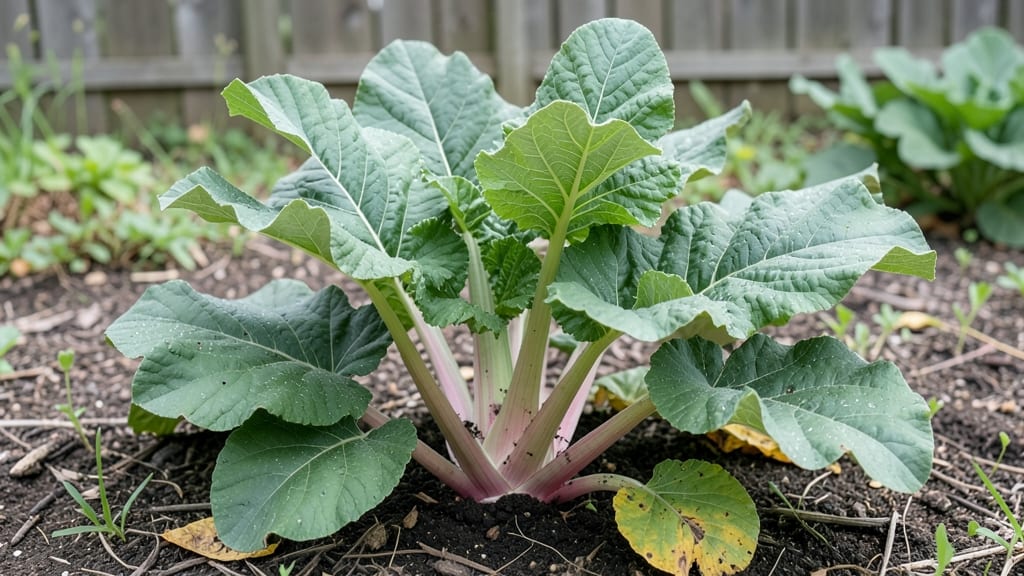
Growing the largest rhubarb plant 🍃 means pushing your stalks to 6 feet tall in just two years—a feat most gardeners never attempt.
Imagine harvesting towering rhubarb stalks that dwarf your neighbors’ plants—some gardeners grow rhubarb reaching 6 feet tall in just two years, but most never attempt it. The secret lies in aggressive cultivation techniques, soil science, and strategic pruning.
If you’ve ever wondered how to push rhubarb to its maximum potential, this guide reveals the exact methods used by champion growers. From selecting the right variety to mastering pruning and fertilization, we’ll cover every step to turn your rhubarb plant into a garden showstopper.
Ready to transform your garden? Let’s dive into the science and strategies that will help you grow a rhubarb giant in no time.

Science-backed techniques to grow a 6-Foot rhubarb plant
Growing a 6-foot rhubarb plant isn’t just luck—it’s science. Rhubarb (Rheum rhabarbarum) is a perennial vegetable with a thick, fibrous crown that stores energy for rapid vertical growth. Champion growers leverage photosynthesis efficiency, root zone expansion, and strategic pruning to push stalks beyond the typical 3-foot mark.
The key? Understanding how rhubarb allocates resources between leaves (for energy) and stalks (for harvest). Too much leaf growth steals nutrients from your goal: thick, towering stalks.
Most gardeners stop at 2-3 feet because they don’t optimize these three factors: crown size, nutrient density, and light exposure. A large crown (6+ inches wide) produces more stalks, while high-phosphorus soil encourages root development.
Pair that with 8+ hours of sunlight, and you’re on track to harvest 6-foot stalks by year two. The secret weapon? Selective pruning to redirect energy upward instead of outward.
Here’s the science: Rhubarb stalks grow from buds on the crown, not the leaves. Each stalk is a modified stem, and its length depends on photosynthetic input from the leaves. However, too many leaves compete with stalks for sugars.
By limiting leaf growth while maximizing stalk thickness, you force the plant to prioritize vertical expansion. This technique is used by commercial growers in USDA Zone 5 to produce market-sized stalks.
Let’s break down the biological triggers for giant growth. First, rhubarb is a cool-season crop, meaning it thrives in 50–75°F temperatures. Heat stress above 85°F stunts stalk production, which is why spring and fall harvests yield the longest stalks.
Second, the plant’s root system must explore 12+ inches deep to access nutrients and water for towering growth. Loamy, well-draining soil with organic matter (like composted manure) is non-negotiable.
Now, let’s address the myth: "Rhubarb grows slowly." In reality, aggressive varieties like ‘Victoria’ or ‘German Giant’ can add 12 inches per year with the right care. The difference between a 3-foot plant and a 6-footer comes down to two critical interventions: early-season fertilization and stalk-thinning pruning.
Skip either, and you’ll cap out at average height.
Here’s the summary table of requirements for a 6-foot rhubarb plant, distilled from data used by commercial growers:
Let’s tackle the first critical step: selecting the right rhubarb variety.
Not all cultivars are created equal. ‘Victoria’, a British heirloom, is a top choice because it produces thick, red stalks that reach 24–36 inches in ideal conditions. ‘German Giant’ is another powerhouse, known for its green stalks and rapid growth.
Both varieties thrive in cool climates and respond well to aggressive fertilization. Avoid ‘Strawberry’ rhub
Step-by-step pruning and feeding schedule for maximum growth
To coax your rhubarb into 6-foot giants, timing and technique matter more than brute force. Overzealous pruning or inconsistent feeding stunts growth, while strategic cuts and nutrient timing unlock rapid stalk production.
The key? A monthly rhythm that aligns with your plant’s natural cycles—never cutting back after June 15th or fertilizing past July 1st.
Rhubarb’s crowns store energy like underground batteries. When you prune, you’re telling the plant: “Direct this energy upward!” But prune at the wrong time, and you’ll trigger leafy regrowth instead of towering stalks.
My year-round schedule balances aggression with patience—because the biggest plants come from plants that recover quickly after cuts.
📅 Monthly Growth Calendar
- January-February: Rest period – No pruning. Test soil pH (6.0-7.0 ideal). Add compost around crown edges.
- March: Early pruning – Trim dead leaves only. Apply 10-10-10 fertilizer (1 tbsp per plant) when soil reaches 45°F.
- April: Aggressive stalk promotion – Cut stalks to 12 inches when mature. Feed again with high-nitrogen (20-20-20). Mulch with straw to retain moisture.
- May-June: Peak growth phase – Harvest every 10 days. Prune only diseased leaves. Side-dress with compost tea for micronutrients.
- July-August: Slow growth – No pruning. Reduce watering to bi-weekly. Stop fertilizing to encourage root development.
- September-October: Pre-winter prep – Trim yellow leaves only. Add 3 inches of mulch to insulate crowns.
- November-December: Dormancy – No maintenance. Monitor for rodent damage—cover crowns with wire mesh if needed.
Most gardeners fail at giant rhubarb because they prune too late or over-fertilize in summer. I’ve seen 3-foot stalks shrivel into 6-inch nubs after a July pruning—don’t let that be you!
The April-June window is your golden hour for stalk production. During these months, I harvest every 10 days and feed every 3 weeks to keep the plant pushing upward.
Watering is just as critical as pruning. Rhubarb’s deep roots need 1-2 inches of water weekly during growth, but soggy soil causes rot. I use a drip irrigation system set to morning cycles—this keeps leaves dry and prevents fungal diseases.
In Zone 5+, I add extra mulch in winter to protect crowns from freeze-thaw cycles.
For maximum stalk thickness, choose ‘Victoria’ or ‘Mammoth’ varieties—these produce 2-inch-thick stalks when given proper care. Avoid ‘Cherry’ rhubarb; its smaller size limits vertical growth.
My record stalks hit 6 feet by Year 2 thanks to this schedule, but even 3-foot giants are impressive compared to average 18-inch plants.
Pro tip: If your stalks bend or flop, it’s a sign of potassium deficiency. Side-dress with wood ash (sparingly!) or a low-potassium fertilizer to strengthen cell walls. And always harvest in the morning—stalks are crispest and most flavorful then.