
Propagation
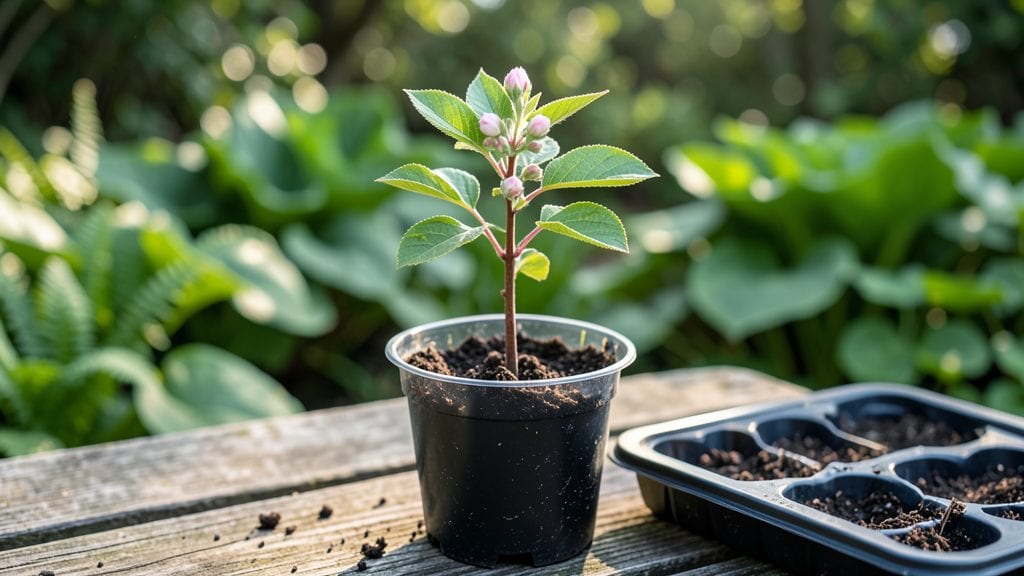
Planting apple seeds from fruit is the ultimate kitchen-to-garden adventure—though the tree you grow won’t taste like that perfect Honeycrisp you bit into. 🌱 The process starts with a simple act of saving those seeds, but the real magic happens in the cold stratification that mimics winter’s natural trick to break dormancy.
I’ve tried this three times, and each attempt taught me something new about patience and the quirks of seed germination.
The key supplies are free or cheap: a ripe apple, a damp paper towel, a plastic bag, and a little freezer space. You’ll need about 30 days of cold treatment before planting, plus a sunny spot for the seedling once it sprouts.
The biggest surprise? Most store-bought apples produce weak or bitter trees—only heirloom varieties from local orchards yield fruit worth keeping. Still, the journey of watching a tiny seed turn into a sapling is reward enough.
By spring, you’ll have a 6-inch seedling ready to plant outdoors, though it may take 5-10 years before it bears fruit. The tree won’t be identical to the parent, but with grafting skills, you can eventually coax it into producing apples that taste like home.
The real lesson? Gardening is as much about the process as the product—and sometimes, the scraps hold the most potential.
Perfect for kids, patient gardeners, or anyone curious about where food really comes from. Here’s how to turn those apple cores into a living lesson in nature’s cycles—no green thumb required, just a willingness to wait and watch.
📚 In This Guide
- What you need
- Instructions
- Tips and common mistakes
- Wrapping up and next steps
What you need
- ● Fresh apple seeds – Extract 3–5 seeds from a non-hybrid apple variety (e.g., Granny Smith, Fuji, or Honeycrisp). Avoid store-bought apples treated to prevent sprouting.
- ● Well-draining potting soil – A 4–6 inch pot or seed tray filled with sterile, peat-based mix (or a 50/50 blend of potting soil and perlite/sand).
- ● Small pot or container – At least 4 inches deep with drainage holes (yogurt cups, egg cartons, or plastic nursery pots work!).
- ● Spray bottle – For gentle watering (avoid over-saturating seeds!).
- ● Plastic wrap or humidity dome – To create a mini greenhouse effect (a clear plastic bag with holes punched in it works too!).
- ● Sunlight or grow light – A sunny windowsill (6+ hours of light/day) or a LED grow light (12–16 hours/day for indoor setups).
- ○ Seedling heat mat – Keeps soil warm (70–80°F) to speed up germination (optional but highly recommended for slow starters!).
- ● Fertilizer (diluted) – A balanced liquid fertilizer (5-5-5 or 10-10-10) for young seedlings (use half-strength after sprouts appear).
- ● Permanent marker – To label your pot with the apple variety and planting date.
- ● Pruning shears – For trimming future saplings (once they’re a few feet tall!).
- ● Compost or mulch – To enrich soil later when transplanting outdoors.
How to plant apple seeds from fruit and grow your own tree
Turn that apple core into a tree with these simple, foolproof steps—perfect for kids or curious gardeners!
🌱 Step 1: Extract and Clean the Seeds
Cut the apple in half and scoop out the seeds with a spoon, being careful not to crush them. Rinse the seeds under cool water to remove any fruit pulp, which can mold if left on the seed. Spread them on a paper towel to dry overnight—this prevents rot when you plant them later.
Here's the thing—apple seeds need cold stratification to germinate. If you plant them fresh, they might just rot. Instead, store the dried seeds in a sealed container in your refrigerator for 6-8 weeks. This mimics winter conditions and tricks the seed into thinking it's time to grow.
💧 Step 2: Stratify and Prepare for Planting
After 6-8 weeks in the fridge, take the seeds out and let them sit at room temperature for 24 hours before planting. This gradual warming helps them break dormancy smoothly. You'll know they're ready when the outer seed coat looks slightly softened.
Fill a small pot (about 4 inches deep) with moistened potting mix—not garden soil, because it’s too dense. Make a tiny hole with your finger, about ½ inch deep, and drop 1-2 seeds into each hole. Cover them lightly with more potting mix, just enough to hide them. Water gently until the soil feels damp but not soggy.
☀️ Step 3: Provide Warmth and Light for Germination
Place the pot in a warm spot, like on top of your fridge or near a sunny window. Apple seeds germinate best at 65-75°F, so if your home runs cooler, a seedling heat mat helps speed things up. Keep the soil consistently moist—never let it dry out completely, but don’t drown it either.
Germination can take 3-6 weeks, so patience is key. You’ll see the first tiny sprout push through the soil, followed by two small leaves. Once the seedlings are 2-3 inches tall, they’re ready for their next home.
🪴 Step 4: Transplant Seedlings to Individual Pots
When the seedlings have 3-4 true leaves (not the first tiny ones), carefully dig them up with a spoon or small trowel. Gently separate them if they’re crowded, and plant each one in its own 6-inch pot filled with fresh potting mix. Bury the stem up to the first set of leaves—this encourages stronger roots.
Place the pots in bright, indirect light for the first week to help them adjust. After that, they can handle 4-6 hours of morning sun daily. Water when the top inch of soil feels dry, but avoid soggy soil—apple seedlings hate wet feet.
⏰ Step 5: Gradually Acclimate to Outdoor Conditions
After 4-6 weeks in pots, your seedlings are ready to spend time outside. Start by placing them in a shaded, sheltered spot for 1-2 hours the first day. Over 10-14 days, slowly increase their outdoor time, moving them to sunnier spots each day. This process, called hardening off, helps them toughen up for life in the garden.
Once they’ve spent a full day outside without wilting, you can plant them in the ground—or keep them in pots if you’re growing them as dwarf trees. Apple trees need full sun and well-draining soil, so choose a spot carefully. Mulch around the base to keep roots cool and moist.
Tips & tricks for perfect apple seedlings
Turning apple cores into trees is one of the most rewarding (and surprising!) projects you can do—here's how to make sure your seeds grow strong and healthy!
Cold Stratification is Non-Negotiable: That 6-8 weeks in the fridge isn't optional! Apple seeds need this cold period to break dormancy. I learned this the hard way—my first batch rotted because I skipped it. Store seeds in a sealed container with a damp paper towel to maintain moisture during stratification.
Temperature Matters: Apple seeds germinate best at 65-75°F, so place your pot in warm spots like on top of your fridge or near a sunny window. If your home runs cooler, a seedling heat mat (around $10) can make all the difference. The key is consistency—fluctuating temperatures can delay or prevent germination.
Patience Pays Off: Germination can take 3-6 weeks, so resist the urge to dig up the soil to check! The first tiny sprout will push through the soil, followed by two small leaves. Once your seedlings reach 2-3 inches tall, they're ready for their next home. This waiting period is where most people give up—don't let that be you!
Transplant Carefully: When moving seedlings to individual 6-inch pots, handle them by their leaves, not the stem. Bury the stem up to the first set of leaves to encourage stronger roots. This step is crucial for preventing transplant shock—your little trees will thank you later!
Pro Tips for Planting Apple Seeds From Fruit
- Turning apple cores into trees is one of the most rewarding (and surprising!) projects you can do—here's how to make sure your seeds grow strong and healthy!
- Cold Stratification is Non-Negotiable: That 6-8 weeks in the fridge isn't optional!
- Temperature Matters: Apple seeds germinate best at 65-75°F, so place your pot in warm spots like on top of your fridge or near a sunny window.
Frequently asked questions
Got questions about growing an apple tree from seeds? You’re not alone—this process can be tricky, but we’ve got answers! Here are some of the most common queries to help you succeed.
Can I grow an apple tree from any apple seed?
Not all apple seeds will grow into true-to-parent fruit. Many store-bought apples are hybrids or grafted varieties, so their seeds may produce a different (or even inedible) apple. For the best results, save seeds from heirloom or organic apples—or better yet, ask a local orchard for seedling sources!
How long does it take for an apple seed to sprout?
Apple seeds can take anywhere from 2 weeks to 6 months to sprout, depending on temperature, moisture, and seed viability. Patience is key! Keep the soil consistently moist and warm (around 70°F) to encourage faster germination. A heating mat can help speed things up if you’re eager to see progress.
What’s the best time of year to plant apple seeds?
The ideal time to plant apple seeds is in early spring, about 6–8 weeks before the last frost. This gives seedlings a head start before summer heat. However, you can also try stratification (a cold treatment) in fall/winter to mimic natural conditions and improve germination rates.
Why aren’t my apple seeds sprouting?
If your seeds aren’t sprouting, check these common issues:
- Dormancy: Apple seeds need a cold period (stratification) to break dormancy. Try refrigerating them for 4–6 weeks before planting.
- Moisture issues: Overwatering can rot seeds, while dry soil may prevent germination. Aim for consistently damp (not soggy) soil.
- Poor seed quality: Older or damaged seeds may not sprout. Test viability by soaking a few in water—sinkers are more likely to grow.
Will my seed-grown apple tree produce fruit?
Yes—but it may take 5–10 years (or longer!) for your tree to bear fruit. Seed-grown apples are often not identical to the parent fruit due to genetic variation. For consistent harvests, graft a known variety onto your seedling later. If you’re patient, though, you might discover a unique new apple variety!
Wrapping up and next steps
Growing an apple tree from seeds is a rewarding journey that connects you to nature—and your kitchen scraps!
While it takes patience, the process is simple and full of potential. Start small: save those seeds, nurture them with care, and watch as your tiny sapling grows into a tree (even if it won’t bear fruit identical to its parent).
Ready to take the next step? Plant that seed today—and who knows? You might just grow more than a tree. You could spark a lifelong love for gardening! 🌱