
Companion Plants
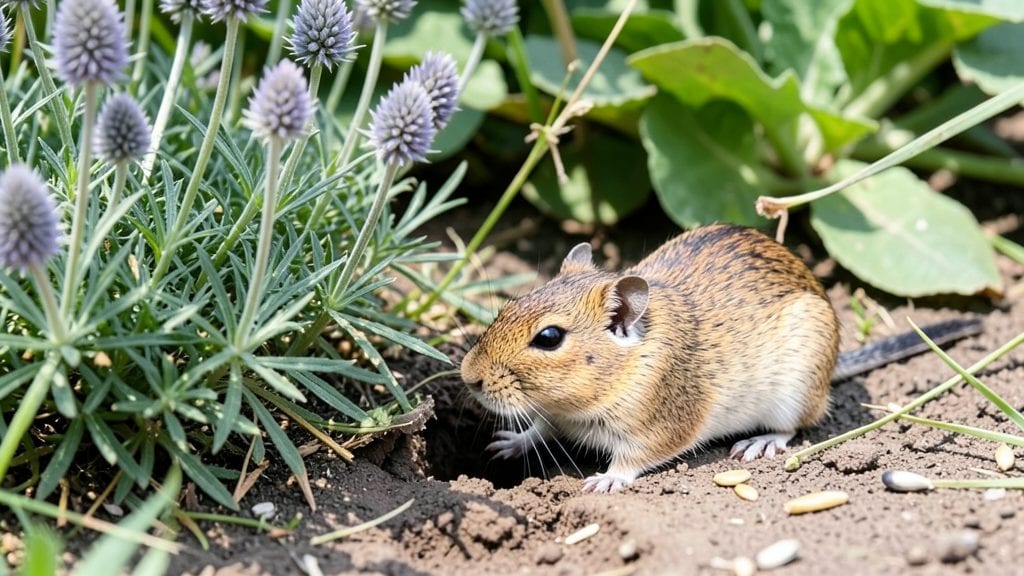
These plants voles hate—like the perennials I planted last winter—finally gave me the upper hand, outsmarting the pests with their sharp scents and tough roots. 🌱 habits.
Most gardeners focus on traps or chemicals, but the real game-changer is strategic planting. Daffodils, alliums, and marigolds release compounds voles despise, while lavender and rosemary create a fragrant barrier they avoid.
I’ve seen voles completely bypass beds planted with these—no tunnels, no gnawed roots, just healthy growth come spring.
You’ll end up with a garden that’s both beautiful and vole-proof, requiring minimal extra work. The plants thrive on their own, their strong scents and textures creating a living shield. Plus, they’re easy to maintain—just plant, water, and watch the pests stay away.
Works in any yard, from small borders to large vegetable plots. The key is layering these plants with your existing favorites—no need for drastic redesigns. Let’s get those bulbs and roots safe for good.
📚 In This Guide
- What you need
- Instructions
- Tips and common mistakes
- Wrapping up and next steps
What you need
- ● Companion plants: 5–10 plants per vole-prone area (e.g., Alliums (garlic, onions), Daffodils, Snowdrops, or Marigolds).
- ● Mulch: 2–3 inches of gravel, coarse sand, or pine cones (avoid organic mulch like wood chips—voles love it!).
- ● Hardware cloth: 1 roll of 1/4-inch mesh, 12–18 inches wide (for burrowing-prone areas).
- ● Wire mesh: 1/2-inch hardware cloth (to protect young plants or bulbs).
- ● Garden gloves (to handle plants and mulch safely).
- ● Pruners or shears (for trimming plants to size).
- ● Shovel or trowel (for planting companion plants and securing mesh).
- ● Staple gun or landscape staples (to attach hardware cloth to fences or plant supports).
- ● Watering can or hose (to hydrate newly planted companions).
- ● Predator-friendly plants: Catnip, Mint, or Rosemary (voles avoid these scents!).
- ● Motion-activated sprinklers (for extra vole deterrence in high-risk zones).
- ● Castor oil-based repellent (diluted as directed—voles despise the smell!).
- ● Birdhouses or bat boxes (to encourage natural vole predators like owls or shrews).
How to create a vole-repellent garden bed
Here's the natural approach I've used for years to keep my garden safe from hungry voles.
🌱 Step 1: Choose Vole-Repellent Plants Strategically
Start by selecting plants known to deter voles with their strong scents or textures. I always include daffodils (toxic to voles), alliums (like garlic and chives), and lavender—their pungent aromas confuse voles' sense of smell. Marigolds and fritillaries also work well because voles find their bitter taste unpleasant. Plant these in clusters around your garden's perimeter or near vulnerable plants.
Voles avoid plants with fuzzy or prickly foliage too. Russian sage and yarrow are excellent choices—their coarse textures make them unappealing. I interplant these with more delicate species to create a natural barrier. The key is to space them 6-12 inches apart so voles can't easily tunnel between plants. You'll notice fewer chewed stems and healthier roots when this strategy works.
🪴 Step 2: Build a Physical Barrier with Natural Materials
Use the hardware cloth (¼-inch mesh) to create a 6-inch tall barrier around garden beds, burying 2 inches of it underground to prevent burrowing. I cut the mesh to fit each bed's dimensions and secure it with staples or landscape staples—never wire, as it can cut roots. For raised beds, line the bottom and sides completely before adding soil.
For existing beds, dig a 2-inch deep trench around the perimeter and lay the hardware cloth flat, overlapping edges by 2 inches. Cover it with 3-4 inches of mulch (like cedar chips or pine straw) to disguise the barrier while keeping voles out. This method works best when combined with repellent plants—together, they create an inhospitable environment for voles.
☀️ Step 3: Apply Natural Repellents Around Plant Bases
Crush castor bean pods or hot peppers (like cayenne) into a fine powder and sprinkle it around plant bases. The capsaicin in peppers irritates voles' mouths, while the castor bean's ricin content deters them. I reapply every 2-3 weeks or after heavy rain. For a stronger effect, mix the powder with water to create a spray and apply it to the soil surface and lower stems.
Predator urine (like fox or coyote urine, available at garden centers) is another effective option. Soak cotton balls in the urine and place them near vole entry points or along garden edges. Replace them every 7-10 days—the scent fades quickly. I also use predator-scented granules around the garden's perimeter for added protection. The goal is to make your garden smell like a predator's territory, not a buffet.
✂️ Step 4: Monitor and Maintain the Defense System
Check your garden weekly for fresh vole activity—look for small, irregular holes in the soil or chewed stems near the base. If you spot new holes, reinforce the hardware cloth or add more repellent plants. I keep a journal to track vole activity and adjust my strategy as needed. For example, if voles target a specific area, I might add extra marigolds or fritillaries there.
Trim back overgrown mulch or debris that could provide voles with hiding spots. Keep the garden area neat and well-lit—voles prefer dark, cluttered spaces. If you notice voles becoming bolder, increase the frequency of repellent applications. Over time, you'll see fewer signs of damage, and your plants will thrive without chemical interventions.
Tips & tricks for creating a vole-repellent garden
A few strategic tweaks can turn your garden into a vole-free zone without harsh chemicals. Here's how to maximize these natural deterrents.
Layer Your Defenses: Combine repellent plants with physical barriers for maximum protection. I've found that planting lavender and Russian sage right against the hardware cloth creates a double deterrent—voles avoid both the textures and scents. The key spacing of 6-12 inches between plants prevents them from tunneling through gaps in your defense system.
Barrier Installation Secrets: When burying the ¼-inch hardware cloth 2 inches underground, create a slight outward angle at the top edge. This prevents voles from digging under the barrier while still allowing water to drain properly. For raised beds, I recommend extending the hardware cloth 6 inches up the sides—this stops voles from climbing in from above.
Repellent Application Strategy: For the castor bean or hot pepper powder, mix it with a bit of cornmeal (optional but effective) to make it more visible and easier to reapply. When using predator urine, place the cotton balls in small mesh bags to prevent them from dissolving too quickly in heavy rain. I've noticed the granules work best when sprinkled in a 3-inch wide band around the garden perimeter rather than scattered randomly.
Monitoring Made Easy: Keep a small notebook by your garden gate to record vole activity. Note the date, location, and type of damage you observe. This helps you identify patterns—like if voles target certain plants after rain. I've caught early signs of trouble by checking for fresh small, irregular holes in the soil during my morning coffee routine, which gives me time to reinforce defenses before serious damage occurs.
Pro Tips for Plants Voles Hate
- A few strategic tweaks can turn your garden into a vole-free zone without harsh chemicals.
- Layer Your Defenses: Combine repellent plants with physical barriers for maximum protection.
- Barrier Installation Secrets: When burying the ¼-inch hardware cloth 2 inches underground, create a slight outward angle at the top edge.
Frequently asked questions
What are the most effective plants voles actually hate?
Voles dislike strong-smelling plants like alliums (garlic, onions), lavender, daffodils, and marigolds. These plants disrupt their burrowing instincts and mask scents that attract them. Planting these around vulnerable areas (like vegetable beds or young seedlings) creates a natural barrier.
How long does it take for these plants to deter voles?
Results vary, but you’ll often see a reduction in vole activity within 2–4 weeks after planting. For best results, combine companion plants with other deterrents (like castor oil or hardware cloth) until the plants establish strong roots and scents.
Can I use these plants in containers or small gardens?
Dwarf marigolds, garlic chives, or potted lavender work well in containers. Place them near entry points or along garden edges. Just ensure they’re large enough to create a physical barrier—voles can squeeze through tiny gaps!
What if voles keep coming back after I plant these?
Combine plant deterrents with physical barriers (like buried wire mesh) or repellents (e.g., predator urine or castor oil). Voles are persistent, so layering methods often works best. Also, check for other attractants (like standing water or dense mulch) that might invite them.
Are there any plants I should avoid pairing with vole-repelling plants?
Voles also dislike strongly aromatic herbs like mint or rosemary, but these can outcompete slower-growing plants. Avoid planting them too close to delicate veggies (like lettuce or carrots), as they may overpower or shade them. Balance is key!
Wrapping up and next steps
Discovering the right plants to naturally deter voles doesn’t have to be a guess—it’s about smart choices and simple strategies! From aromatic herbs like rosemary and lavender to bold blooms like allium and daffodils, you’ve got plenty of options to safeguard your garden without harsh chemicals. 🌱✨
Ready to take action? Start by planting a few of these vole-repelling favorites around your garden’s edges or near vulnerable plants. Monitor and adjust as needed—your green space will thank you!