
Pests
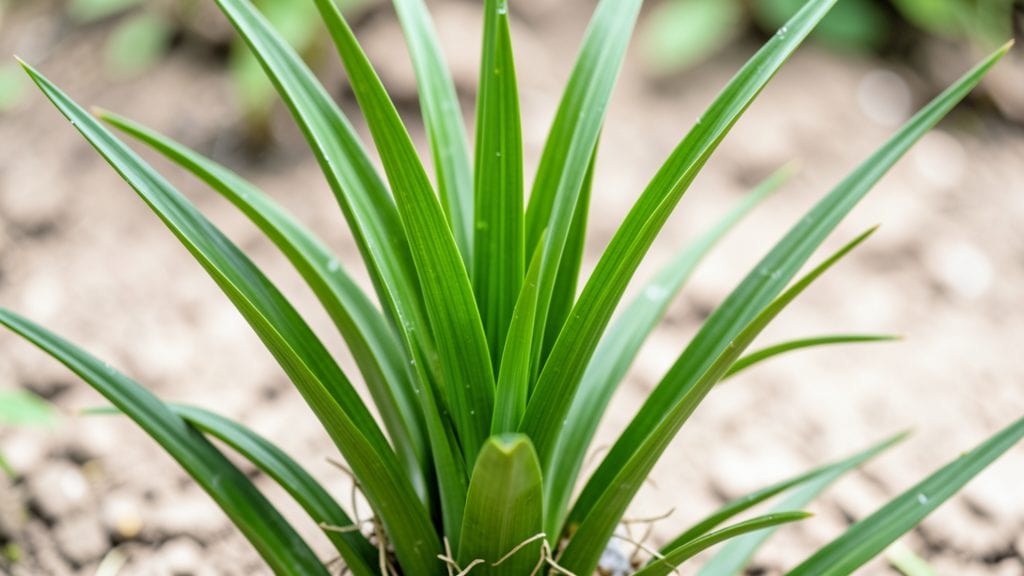
My mosquito fighter plant strategy saved my summer evenings—no more itchy bites or chemical sprays. 🌿 These plants work by masking scents humans can't detect, but mosquitoes hate, like citronella, lavender, and marigolds.
The best part? They look good while doing the job, turning your yard into a natural barrier instead of a chemical battlefield.
Start with a mix of citronella grass (the classic repellent) and lavender (which doubles as a fragrant border). Add marigolds for their strong scent and pest-deterring properties—they’re easy to grow and thrive in most climates.
Plant them in clusters near seating areas, patios, or along walkways where mosquitoes linger at dusk. A 5-gallon pot works for small spaces, while in-ground plantings create a wider barrier.
By late summer, you’ll notice fewer mosquitoes buzzing around your outdoor space. The plants grow dense enough to block their flight paths while filling the air with scents that keep them away.
Just keep them healthy with regular watering and occasional pruning—they’ll reward you with months of bite-free evenings. Here’s how to get the most out of them.
Bonus: Pair them with basil or rosemary to amplify the effect. These combinations create a multi-layered defense that works better than store-bought sprays. The key is consistency—mosquitoes learn to avoid areas where these plants thrive. Let’s make your yard their last stop before giving up.
📚 In This Guide
- What you need
- Instructions
- Tips and common mistakes
- Wrapping up and next steps
What you need
- ● Mosquito-repelling plants: Citronella grass (Cymbopogon nardus) – 2-3 plants
- ● Lemongrass (Cymbopogon citratus) – 1-2 plants
- ● Lavender (Lavandula) – 3-5 plants (for fragrance + repellency)
- ● Marigolds (Tagetes) – 5-10 plants (bright colors deter mosquitoes)
- ● Basil (Ocimum basilicum) – 1-2 pots (bonus: culinary uses!)
- ● Catnip (Nepeta cataria) – 1-2 plants (studies show it’s 10x more effective than DEET!)
- ● Containers: Medium to large pots (10-12 inches in diameter) – 5-7 pots
- ● Well-draining soil mix (potting soil + perlite/sand for aeration)
- ● Basic tools: Garden trowel or small shovel
- ● Pruning shears (for trimming)
- ● Watering can or hose with a gentle spray nozzle
- ○ Gloves (optional but recommended for handling soil)
- ● Slow-release fertilizer (for nutrient boost)
- ● Mulch (to retain moisture and suppress weeds)
- ● Decorative stones or pebbles (for a polished look)
- ● Solar-powered bug zappers (to complement your plant barrier)
- ● Essential oil diffuser (for extra repellent power with citronella or eucalyptus oils)
How to plant mosquito-repelling herbs for natural defense
Here's the simple way to create a living barrier that keeps mosquitoes at bay without chemicals.
🌱 Step 1: Choose the Right Plants for Your Climate
Pick 4 mosquito-repelling plants that thrive in your zone: citronella grass, lavender, marigolds, and basil. Citronella works best in warm climates, while lavender handles cooler temperatures. I always plant marigolds in containers near seating areas—they tolerate partial shade and bloom all season.
Check your USDA hardiness zone before buying plants. Southern gardens can grow citronella year-round, while northern growers should treat it as an annual. Lavender's woody stems make it perennial in zones 5-9, so it's a great long-term investment.
🪴 Step 2: Prepare Planting Sites or Containers
For in-ground planting, select a sunny spot with well-draining soil. Mosquito plants hate soggy roots, so amend heavy soil with 2 inches of compost and 1 inch of coarse sand to improve drainage. I dig holes twice as wide as the root ball but only as deep as the container the plant came in.
For containers, use 5-gallon pots with drainage holes. Fill with a mix of potting soil and perlite (half-and-half). Place a 1-inch layer of gravel at the bottom to prevent root rot. Containers let you move plants to follow the sun or protect them from frost.
💧 Step 3: Plant and Water for Immediate Results
Remove plants from their nursery pots and loosen roots if they're circling. Space plants 18-24 inches apart in-ground or group 2-3 plants per container. The closer they are, the stronger the combined scent barrier. Water deeply right after planting to settle the soil and eliminate air pockets around roots.
Keep soil consistently moist for the first 2 weeks—not soggy, just damp to the touch. Overwatering drowns roots, while underwatering stresses plants. I check moisture by sticking my finger 1 inch into the soil; if it's dry, water again. Mulch with 2 inches of wood chips to retain moisture and suppress weeds.
☀️ Step 4: Maintain Plants for Maximum Repellent Power
Most mosquito-repelling plants need full sun (6+ hours daily) for strongest scent production. Move containers as needed to follow the sun's path. Deadhead spent flowers on marigolds and basil to encourage more blooms—their fragrance is the key repellent.
Fertilize lightly every 4-6 weeks with a balanced organic fertilizer (10-10-10). Too much nitrogen makes plants leafy but weakens their natural oils. I've found that fish emulsion works well and won't burn roots. Watch for pests like aphids—spray with neem oil if you see them, as they can weaken your plants' defenses.
⏰ Step 5: Time Your Planting for Best Results
Plant in early spring after the last frost date for your area. This gives plants 3-4 months to establish strong roots and develop their signature scents before mosquito season peaks. If you're in a warm climate, you can plant citronella and basil in late winter for summer protection.
For fall planting, choose hardy varieties like lavender and marigolds. These can survive light frosts and still provide some protection through early autumn. I always plant a fresh batch in mid-summer to replace any plants that struggled through the heat—mosquitoes are most active then, and you want maximum coverage.
Tips & tricks for perfect mosquito fighter plants
A few simple strategies will help your mosquito-repelling plants thrive and create the strongest natural defense possible.
Location Strategy: Position your plants near seating areas, pathways, and patio edges where mosquitoes are most active. I've found that grouping them in a semi-circle around outdoor dining spaces creates a scent barrier that's especially effective. For best results, place them within 3-5 feet of where you'll be spending time—closer spacing means stronger combined fragrance.
Companion Planting: Pair your mosquito-repelling plants with other fragrant herbs like rosemary, mint, or lemongrass. These plants naturally repel mosquitoes too, and their combined scents create an even stronger barrier. Just be aware that mint can be invasive—plant it in containers if you're not careful. The more diverse your scent profile, the more effective your defense will be.
Seasonal Rotation: In warmer climates, replace your citronella and basil plants every mid-summer to maintain their potency. These plants tend to weaken under intense heat and prolonged mosquito activity. I've noticed that fresh plants produce stronger scents and keep mosquitoes at bay more effectively. Consider planting a second batch in early summer to have fresh protection when you need it most.
Harvesting Tip: Regularly harvest leaves from your basil and lavender plants to encourage new growth and maintain their repellent properties. Snip leaves in the morning when essential oils are at their peak concentration. This not only keeps your plants healthy but also provides fresh herbs for cooking—it's a win-win! Just avoid harvesting more than one-third of the plant at a time to prevent stress.
Pro Tips for Mosquito Fighter Plant
- A few simple strategies will help your mosquito-repelling plants thrive and create the strongest natural defense possible.
- Location Strategy: Position your plants near seating areas, pathways, and patio edges where mosquitoes are most active.
- Companion Planting: Pair your mosquito-repelling plants with other fragrant herbs like rosemary, mint, or lemongrass.
Frequently asked questions
Got questions about using mosquito fighter plants to keep your space bite-free? You’re not alone! Here are answers to the most common queries—because even nature’s solutions need a little clarity.
How long does it take for mosquito-repelling plants to start working?
Most plants like citronella grass, lavender, or basil show noticeable effects within 1–2 weeks of planting, especially if placed near seating areas or entryways. For immediate relief, crush leaves slightly to release essential oils—nature’s instant repellent!
Where’s the best spot to plant them for maximum effectiveness?
Position plants in high-traffic, shaded areas (e.g., patios, near doors, or under eaves). Mosquitoes are most active at dusk, so placing them where you relax—like under a porch light—boosts their impact. Pro tip: Group plants in clusters (3–5 together) for a stronger scent barrier!
Can I use potted mosquito plants indoors?
Herbs like basil, mint, or lemongrass thrive in pots and can be placed on windowsills, decks, or even near screens. Just ensure they get 4–6 hours of sunlight daily. For extra potency, place pots near vents or open windows where mosquitoes enter.
What if my plants stop working after a few months?
Over time, plants may lose potency due to dryness or weak growth. Revive them by:
- Pruning dead leaves
- Fertilizing lightly (use organic options)
- Replacing older plants every 1–2 years
Are there chemical-free alternatives if plants aren’t enough?
Yes! Pair plants with natural sprays like:
- Neem oil (diluted with water)
- Apple cider vinegar traps
- Fan-powered repellents (mosquitoes avoid airflow)
Wrapping up and next steps
Discovering mosquito fighter plants is a game-changer for anyone tired of harsh chemicals or buzzing annoyances!
These natural allies—like citronella, lavender, and marigolds—offer a humane, eco-friendly way to keep pests at bay while adding beauty to your space. 🌿✨ Whether you’re a gardening newbie or a seasoned green thumb, integrating these plants is simple and rewarding.
Ready to transform your outdoor haven? Start small—plant a few pots on your patio or windowsill, then expand as you see results. Your next step: Pick your favorite plant, grab some soil, and let nature do the work for you! 🌱