Pests
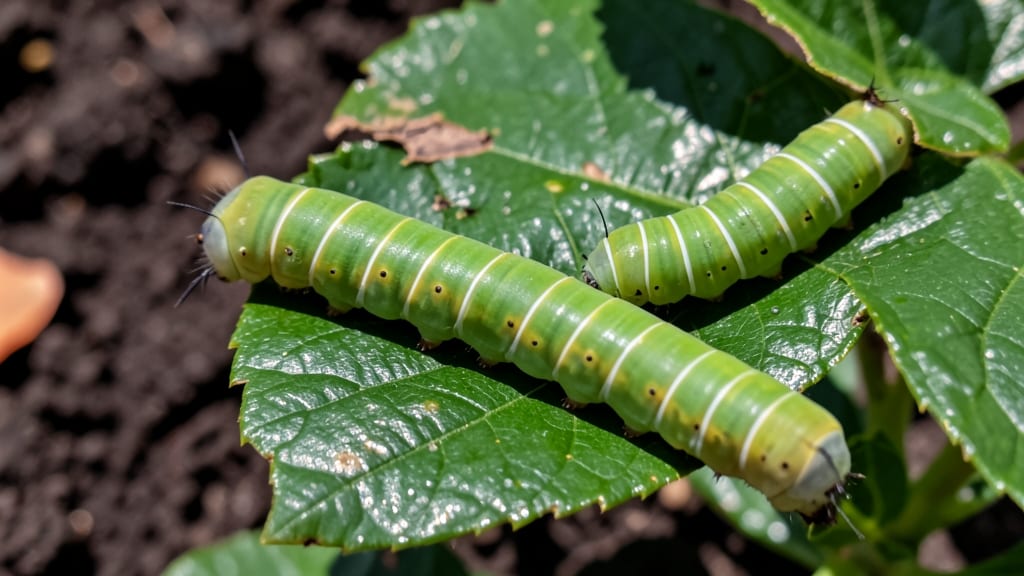
Hibiscus worms can turn your lush, blooming plants into sad, skeletonized shadows in no time. I’ve had my share of battles with these sneaky critters—especially those cutworms hiding under leaves at night—and learned the hard way that ignoring them leads to stunted growth and fewer flowers.
The good news? You don’t need harsh chemicals to win this fight. A few targeted, humane tactics can restore your hibiscus to vibrant health in just a few weeks.
Most worm damage starts small—tiny holes in leaves, wilting branches, or plants that suddenly refuse to bloom. Cutworms leave behind ragged edges, while root-knot nematodes cause stunted roots and yellowing foliage. The key is catching the problem early, before the pests spread.
I’ve found that a mix of manual removal, organic sprays, and smart garden habits keeps my hibiscus thriving without harming the local ecosystem. No more sad, chewed plants—just strong, healthy growth.
By the end of this guide, you’ll know exactly how to spot these pests, remove them safely, and prevent future infestations. We’re talking simple fixes like neem oil sprays, beneficial nematodes, and even a few companion plants that naturally repel worms.
Your hibiscus will thank you with bigger blooms and fewer surprises. Let’s get those plants back to their best—and keep them that way.
This works for both container-grown hibiscus and in-ground plants, so whether you’re dealing with a single pot or a full garden bed, the same principles apply. The secret? Consistency and observation. A little effort now means fewer headaches—and more flowers—later. Ready to reclaim your hibiscus?
Root Causes of Worm Infestations
Hibiscus plants, with their vibrant blooms and lush foliage, can quickly become a buffet for pests—especially worms. But why do these critters target your plants in the first place? Understanding the underlying triggers helps you take proactive steps to protect your hibiscus. Let’s break down the science behind the problem.
Worms thrive in environments that mimic their natural habitats—moist, nutrient-rich, and slightly acidic soil. If your hibiscus is planted in overly compacted, waterlogged, or nutrient-deficient soil, it becomes an easy target for:
- Cutworms (larvae of moths): They hide in damp soil during the day and emerge to feed at night, often severing young stems.
- Root-knot nematodes: Microscopic worms that burrow into roots, causing galls (swollen, knobby growths) and stunting plant growth.
- Grubs (beetle larvae): They chew on roots, leaving behind irregular holes and weakening the plant’s structure.
💡 Pro Tip: Test your soil’s pH and drainage. Hibiscus prefers slightly acidic soil (pH 6.1–6.5) and well-draining mixes. Amend heavy clay with compost or perlite to improve aeration.
While hibiscus loves moisture, excessive watering turns the soil into a worm’s dream home. Standing water:
- Attracts slugs and snails, which leave behind slimy trails and chewed leaves.
- Encourages fungal gnats, whose larvae feed on decaying organic matter in soggy soil.
- Weakens the plant’s defenses, making it easier for worms to invade roots and stems.
🔍 Signs of overwatering:
- Yellowing leaves (especially lower ones).
- Mushy, black roots when checked.
- Stagnant water pooling around the base.
🌡️ Fix It: Let the top 1–2 inches of soil dry out between waterings. Use pots with drainage holes and a saucer to catch excess water.
In a healthy garden ecosystem, worms are kept in check by natural predators like birds, toads, parasitic wasps, and ground beetles. But if your hibiscus is isolated (e.g., in a container or urban setting) or you’ve used broad-spectrum pesticides, you’ve likely disrupted this balance.
Without predators, worm populations explode, leading to:
- Visible webworms (tight silk nests in leaves).
- Loopers (caterpillars that arch their bodies while crawling).
- Holes in leaves and bud damage from leafminers.
✨ Encourage Nature’s Help:
- Plant companion plants like marigolds or basil to attract predatory insects.
- Avoid chemical pesticides—opt for neem oil or Bacillus thuringiensis (Bt) instead.
- Install a birdhouse or toad abode near your hibiscus.
Stressed hibiscus plants are like open invitations to pests. Common stressors include:
- Transplant shock: Newly planted hibiscus with disturbed roots are vulnerable to root-feeding worms.
- Nutrient deficiencies: Lack of nitrogen, phosphorus, or potassium makes leaves less palatable but also weakens the plant’s ability to fend off pests.
- Extreme temperatures: Heatwaves or cold snaps shock the plant, reducing its resilience.
- Competition: Overcrowded plants struggle to access sunlight and nutrients, making them easier targets.
🎯 Boost Plant Resilience:
- Fertilize with a balanced, slow-release fertilizer (10-10-10) every 6–8 weeks.
- Prune regularly to improve airflow and reduce humidity around leaves.
- Mulch with organic matter (like straw or shredded leaves) to regulate soil temperature.
By addressing these root causes—soil health, water management, predator balance, and plant stress—you’ll make your hibiscus far less appealing to worms. The key is prevention through proactive care rather than reactive treatments.
Quick Fixes for Worm-Infested Hibiscus
Now that you’ve identified the culprits—whether they’re hibiscus looper caterpillars, hibiscus sawfly larvae, or other plant-eating pests—it’s time to act. The good news? Most worm problems on hibiscus plants can be resolved with targeted, humane methods that prioritize plant health and ecosystem balance.
Below, we’ll break down solutions by cause, including immediate fixes and long-term prevention to keep your hibiscus thriving.
Cause: Chewing damage, skeletonized leaves, or silk webbing. Fix:
- 👨🍳 Handpick pests daily (especially in the morning when they’re sluggish). Drop them into soapy water (1 tbsp dish soap per gallon of water) to kill them instantly.
- 🌿 Use a stiff brush to dislodge eggs from undersides of leaves—eggs are tiny (orange or yellow) and clustered.
- 🕸️ Deploy pheromone traps (like Trécé IBGR Pheromone Trap) to disrupt mating cycles. Place traps 10–15 feet from the plant for best results.
- 🍎 Apply neem oil spray (1 tsp neem oil + 1 tsp mild soap per quart of water) every 5–7 days to deter new hatchlings. Reapply after rain.
💡 Pro Tip: If your hibiscus is small or potted, isolate it temporarily while treating to prevent spread.
Cause: Ragged, notched leaves; black, spiny larvae clinging to stems. Fix:
- 🕳️ Suffocate larvae by folding a cardboard collar around the stem (larvae can’t breathe and will fall off in 2–3 days).
- 🐞 Encourage ladybugs & lacewings—their larvae devour sawfly eggs. Release beneficial insects (like Ladybug Lane Ladybugs) or plant dill, fennel, or yarrow nearby to attract them.
- 🌡️ Prune heavily infested leaves and soak clippings in hot water (140°F) for 30 minutes to kill larvae before composting.
⚠️ Warning: Avoid chemical pesticides—they harm beneficial insects and can stress hibiscus roots.
Cause: Stunted growth, yellowing leaves, gnarled roots (visible when uprooted). Fix:
- 🔪 Replace infested soil with a sterilized potting mix (bake soil in oven at 200°F for 30 minutes to kill nematodes).
- 🌱 Plant nematode-resistant hibiscus varieties like Hibiscus rosa-sinensis ‘Lady Baltimore’ or Hibiscus moscheutos (swamp hibiscus).
- 💧 Water deeply but infrequently—nematodes thrive in soggy soil. Use drip irrigation to keep foliage dry.
- 🌿 Add compost tea or marigold mulch—marigolds release nematicidal compounds that deter nematodes.
🎯 Long-Term Prevention:
- Rotate crops if growing hibiscus in garden beds (avoid planting in the same spot for 3+ years).
- Solarize soil in spring: Cover soil with clear plastic for 4–6 weeks to bake out nematodes (works best in hot climates).
Even after treatment, proactive care ensures your hibiscus stays worm-free:
- 🌿 Inspect plants weekly, focusing on leaf undersides and new growth.
- 🍃 Remove fallen leaves/debris—worms and eggs hide here.
- 🌱 Space plants properly (3–4 feet apart) for better airflow, reducing humidity where pests thrive.
- 🌱 Use reflective mulch (like aluminum foil or silver plastic) around the base—worms dislike shiny surfaces.
- 🌿 Companion plant with worm repellents:
- Nasturtiums (trap aphids and loopers).
✨ Final Reminder: Patience is key—some methods (like beneficial insect populations) take 2–4 weeks to show results. Monitor, treat early, and celebrate small wins** like new buds forming! Your hibiscus will bounce back stronger.
Frequently asked questions
What are the most common types of worms attacking hibiscus plants?
Hibiscus plants often face issues with cutworms (larvae that chew stems at night), root-knot nematodes (microscopic worms causing gnarled roots), and webworms (creates silk nests in leaves). Look for chewed leaves, wilting, or stunted growth to identify the culprit.
How do I safely remove worms from hibiscus leaves without harming the plant?
Handpick worms in the morning when they’re sluggish, dropping them into soapy water. For stubborn pests, use a stiff brush to dislodge eggs from leaf undersides. Avoid chemical sprays—they can damage hibiscus and beneficial insects.
Can neem oil kill hibiscus worms, and how often should I apply it?
Yes! Mix 1 teaspoon neem oil + 1 teaspoon mild soap per quart of water and spray every 5–7 days (or after rain). It disrupts worm life cycles but is safe for plants. Apply in the evening to avoid sunburning foliage.
What’s the best way to prevent worms from returning to my hibiscus?
Improve soil drainage, plant companion plants like marigolds or basil, and encourage natural predators (ladybugs, birds). Mulch with reflective materials (aluminum foil) and inspect leaves weekly for early signs of infestation.
Are there hibiscus varieties that naturally resist worms?
Yes! Hibiscus rosa-sinensis ‘Lady Baltimore’ and Hibiscus moscheutos (swamp hibiscus) are more resistant to root-knot nematodes. Choose disease-resistant varieties and rotate planting locations every 3 years to reduce soil-borne pests.